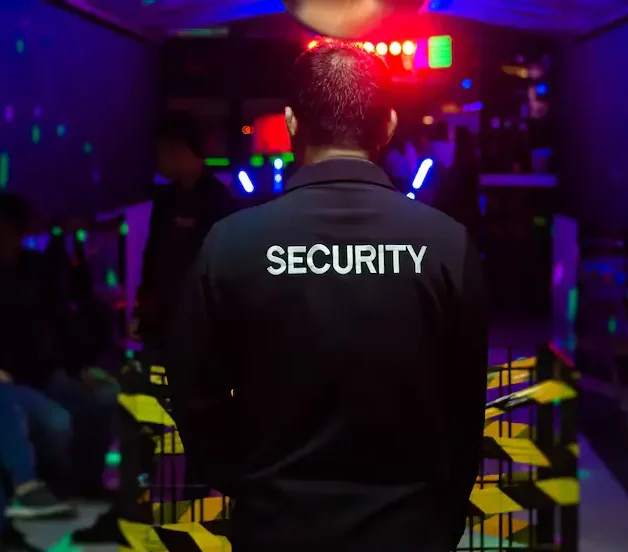

If you have started looking into a door supervisor course in London, the first thing you probably noticed is that the price tag is not as simple as it looks. One provider advertises £150, another quotes £300, and a third bundles in first aid, exam resits, and a “fast-track badge” for a figure somewhere in between. None of them are lying to you they are just showing you different slices of the same pie.
This guide breaks down every single cost involved in becoming a licensed door supervisor in London in 2026, from the training course itself right through to the SIA licence fee, first aid certification, ID checks, and the extras that catch people out. By the end, you will know exactly what you should be paying, what is reasonable to skip, and where it genuinely pays to spend a little more. You can compare everything here against a real course listing, such as the Door Supervisor Course at BeTrain, to see how a typical London provider structures its pricing.
Why Door Supervisor Course Prices Vary So Much in London
London is not a single market. A course in Croydon is not competing with the same overheads as a course in Central London, and a provider running classes in a rented community hall is not carrying the same costs as one with a dedicated, purpose-built training centre near a tube station.
A handful of factors explain most of the price difference you will see when you start comparing quotes:
- Location and venue costs. Zone 1 training centres pay considerably more in rent than centres in outer boroughs, and that cost is reflected in the course fee.
- What is bundled in. Some providers include the mandatory Emergency First Aid at Work (EFAW) qualification in the price. Others sell it separately, which makes their headline price look cheaper until you add it back on.
- Class size and trainer ratio. Smaller classes with more one-to-one attention from the trainer tend to cost more than large group sessions.
- Pass rates and resit policies. A provider with strong pass rates and a generous free-resit policy is effectively selling you insurance against having to pay twice.
- Extras like badges, lockers, and fast-track ID verification. These are optional in theory, but many students end up paying for them anyway.
Understanding this is the key to reading any price list sensibly. A quote of £180 with first aid excluded is not automatically cheaper than a quote of £260 that includes it you have to compare like for like.
The Real Cost of Becoming a Door Supervisor: A Full Breakdown
There is no single number that represents “the cost” of a door supervisor course in London. It is made up of several separate charges, some paid to the training provider and one paid directly to the Security Industry Authority (SIA). Here is every element you need to budget for.
1. The Door Supervisor Training Course Fee
This is the core cost and the one most people search for first. In London, course fees for the Level 2 Award for Door Supervisors typically fall somewhere between £180 and £320, depending on the provider, the venue, and whether first aid is bundled in.
Cheaper courses at the £150–£200 mark do exist, particularly in outer London boroughs or with providers running larger group classes. Premium courses closer to £300 tend to include first aid, smaller class sizes, evening or weekend flexibility, and stronger post-course support such as CV help or job referrals.
The course itself usually runs across six days of guided learning, sometimes delivered as a continuous week and sometimes split across two or three weekends to suit people who are working while they train.
2. Emergency First Aid at Work (EFAW)
Before you can apply for your SIA licence, you need a valid Emergency First Aid at Work certificate. This is a separate one-day qualification, and it is either bundled into your door supervisor course fee or charged on top.
- Bundled: Many established London providers fold this in, so your headline price already includes it. This is worth checking carefully, because it can make an apparently “more expensive” course actually the cheaper overall option.
- Standalone: If bought separately, EFAW typically costs somewhere between £45 and £90 in London, depending on the provider and class size.
Always ask this question directly before booking: “Is First Aid included in this price, or is it extra?” It is the single most common source of confusion in door supervisor course pricing.
3. The SIA Licence Application Fee
Once you have passed your training and first aid, you apply directly to the SIA for your licence. This fee is fixed nationally and is not something training providers control or profit from it goes straight to the regulator.
The current SIA licence application fee is £184, and the licence is valid for three years once granted. If you are applying for a second licence in a different sector at the same time (for example, both Door Supervisor and Security Guarding), a discounted rate applies for the additional licence.
This fee is non-refundable, so it is worth being confident you have passed your course and first aid before submitting your application, since resitting a failed unit does not get you this money back.
4. Identity Verification
As part of your SIA application, you need to verify your identity, typically using a valid passport or other accepted photo ID, often confirmed through a Post Office identity check service. This usually carries a small additional fee, generally in the £5–£20 range depending on the verification route you use, and is separate from both your course fee and your licence fee.
5. Exam Resits
Door supervisor training is assessed through multiple-choice unit exams alongside a practical conflict management and physical intervention assessment. Most people pass first time when they attend all sessions and revise the workbook, but resits do happen.
Policies vary significantly between providers:
- Some offer one free resit within a set window.
- Others charge a resit fee, typically somewhere between £40 and £100 per unit.
- A small number charge for a full course repeat if you fail more than one unit.
This is genuinely one of the most important questions to ask before you book, because a “cheap” course with a strict, paid resit policy can end up costing more than a slightly pricier course with a generous one.
6. Optional Extras
A few providers offer optional add-ons that are worth knowing about even if you decide to skip them:
- Fast-track certification processing, which can shave a few days off how quickly your results and certificate are issued.
- CV and job-placement support, sometimes bundled free, sometimes charged as an add-on.
- Refresher or top-up training, needed later when you renew your licence this is a separate cost that only becomes relevant near the end of your three-year licence period.
Who Actually Needs This Licence, and Why It Is a Legal Requirement
It is worth being clear about why this cost exists in the first place, because it explains why cutting corners on training is not really an option. Anyone working as front-line security staff at a licensed venue in the UK nightclubs, bars, festivals, large retail sites, and many corporate or event venues is legally required to hold a valid SIA licence for the role they are performing. Working without one is a criminal offence, both for the individual and, in many cases, for the venue that employs them.
This is the reason the training itself cannot be shortened or skipped, regardless of how much someone might want to reduce the cost. The six days of guided learning are set by the awarding body standards that sit behind the Level 2 Award for Door Supervisors, and every approved training centre in London, whether budget or premium, has to deliver the same core content to the same minimum standard. What differs between providers is not what is taught, but how it is delivered class size, venue quality, scheduling flexibility, and the level of support you get if something does not go to plan on assessment day.
Understanding this distinction is genuinely useful when you are comparing prices, because it means a cheaper course is not missing content it is simply delivering the same mandatory syllabus with a leaner cost structure. That is a very different thing from a course cutting corners on quality, and it is why price alone should never be read as a signal of how thorough the training itself will be.
Career Progression and Long-Term Earning Potential
The upfront cost of training is easier to put in perspective once you look past the first few shifts and consider where a door supervisor licence can lead over time. Many people use it as an entry point into the wider private security industry rather than a fixed, permanent role.
Common progression routes in London include:
- Supervisory and team leader roles, overseeing a team of door staff at larger venues, which typically pay a premium above standard door supervisor rates.
- Close protection training, a natural next step for door supervisors who want to move into higher-paying personal security work, though this requires its own separate licence and significant relevant experience.
- Event and festival security management, coordinating larger teams across multi-day events, often at considerably higher day rates than standard venue shifts.
- In-house corporate security roles, where door supervisors with a strong track record move into permanent, salaried positions with hotels, office buildings, or retail chains rather than working shift to shift.
None of these routes are guaranteed, and they depend heavily on experience, conduct, and networking within the industry. But they do illustrate why many people treat the initial course cost as a genuine investment rather than simply the price of a single job. A three-year licence, renewed twice over a typical career in the industry, can end up supporting a decade or more of steadily rising earning potential from a starting outlay that, as this guide has shown, usually lands somewhere between £230 and £420.
What Happens If You Do Not Pass First Time
It is worth planning for this possibility honestly rather than assuming it will not happen. Failing a single unit exam or the practical assessment is not unusual, and it does not mean starting the entire course again from day one in most cases.
Typically, if you fail one unit, you are given the opportunity to resit that specific unit within a set window, rather than repeating the full six days of training. If you fail more than one unit, or fail to attend enough of the course to meet minimum attendance requirements, some providers may require a fuller repeat, which is a significantly larger cost. This is exactly why the resit policy question raised earlier in this guide matters so much a provider’s approach to resits can be the difference between a manageable £40–£100 top-up and having to pay for the course again in full.
What Your Course Fee Actually Pays For: A Day-by-Day Look
It is easier to judge whether a price is fair once you understand what those six days of training actually cover. While exact scheduling varies by provider, a typical door supervisor course in London follows a structure close to this:
- Days 1–2: The Role of a Door Supervisor. Legal responsibilities, licensing requirements, health and safety, and an introduction to working within the private security industry, including how door supervisors fit into wider venue safety.
- Day 3: Communication Skills. How to defuse situations verbally before they escalate, dealing with difficult customers, and recognising early warning signs of conflict.
- Day 4: Conflict Management. Practical, scenario-based training in de-escalation techniques, understanding triggers for aggression, and how to manage confrontations safely and legally.
- Day 5: Physical Intervention. Hands-on training in safe restraint and intervention techniques, used only as a last resort, alongside the legal framework around reasonable force.
- Day 6: Emergency Procedures and Assessment. Fire safety, emergency evacuation, drug awareness, and the final unit assessments, including the practical conflict management and physical intervention test.
First aid, where included, is usually delivered as an additional standalone day, either at the start or end of the six-day block. Understanding this structure helps explain why courses with smaller class sizes and more hands-on practical days tend to sit at the higher end of the price range more trainer time per student during the physical intervention and conflict management modules genuinely costs more to deliver.
Comparing Door Supervisor Course Prices Across London Boroughs
Because venue costs differ so much across the capital, where you train can meaningfully affect the price you are quoted, even from the same type of provider.
- Central London (Zone 1–2): Expect prices at the higher end of the range, often £250–£320, driven by higher venue rents near major transport hubs. The trade-off is convenience if you already work or live centrally.
- East London: A mix of budget and mid-range providers, often £180–£260, with strong availability across multiple venues and flexible weekday and weekend scheduling.
- South London: Similar mid-range pricing to East London, generally £190–£270, with growing demand tied to the area’s nightlife and hospitality venues.
- West London: Slightly higher average pricing in some areas due to venue costs, typically £200–£290.
- North and Outer London boroughs: Often the most competitively priced, sometimes £150–£220, reflecting lower venue overheads, though course frequency may be less regular than in more central locations.
If you are flexible about travel, comparing a handful of boroughs rather than only searching your immediate postcode can genuinely widen your options and, in some cases, lower your total cost.
Can Your Employer Pay for Your Door Supervisor Training?
If you already have a job offer lined up, or you are applying to a security company, hospitality group, or venue that regularly hires door supervisors, it is worth asking directly whether they contribute to or fully cover training costs. This is increasingly common in London, particularly among larger security firms and venue operators who are actively recruiting and would rather invest in a candidate’s licence than lose them to a competitor.
Even when an employer will not cover the full amount, some offer to reimburse the course fee after a certain number of shifts worked, or to cover the SIA licence fee separately. It costs nothing to ask this question before you book and pay out of pocket yourself.
Payment Plans and Splitting the Cost
Because the total cost course, first aid, and SIA fee combined can reach £300–£400 in one go, some providers offer instalment or payment plan options, particularly for the training course fee itself. This does not usually extend to the SIA licence fee, which is paid directly through the SIA’s own application system and is not something a training provider can split on your behalf.
If cash flow is a genuine concern, it is worth asking a provider directly whether they offer a deposit-and-balance structure, since this is common enough in the London training market that many centres will accommodate it even if it is not advertised prominently on their website.
Common Pricing Myths, Cleared Up
A few misunderstandings come up repeatedly when people first start comparing door supervisor course prices in London:
“The cheapest course is always the best value.” Not necessarily. A £160 course that charges £80 per resit and sells first aid separately can end up more expensive overall than a £250 course with a free resit and first aid bundled in.
“The SIA licence fee is set by the training provider.” It is not. The £184 licence fee is fixed by the SIA nationally and is completely separate from whatever you pay your training provider. No provider can legitimately discount or waive this fee, since it is not theirs to set.
“A more expensive course guarantees a better pass rate.” Price and quality are correlated but not identical. It is worth asking a provider directly about their pass rate and trainer qualifications rather than assuming a higher price automatically means better teaching.
“You only pay once.” For most people this is true, but it is worth remembering that your licence needs renewing every three years, which involves a further, smaller refresher course and another SIA application fee down the line.
A Quick Checklist Before You Book
Before handing over payment to any provider, it is worth running through this short checklist:
- Confirm whether Emergency First Aid at Work is included in the price.
- Ask about the resit policy and whether a first resit is free.
- Check the exact dates and whether the course is one continuous block or split across weekends.
- Confirm the venue location and realistic travel time from where you live or work.
- Ask about the centre’s typical pass rate and how long results usually take.
- Check whether the SIA licence fee is mentioned separately and clearly, rather than folded vaguely into a single headline number.
A provider that can answer every one of these questions confidently and in writing, such as the breakdown provided on BeTrain’s Door Supervisor Course page, is generally a safer choice than one that only gives vague answers when asked directly.
2026 Door Supervisor Course Cost in London: Summary Table
| Cost item | Typical London price range (2026) | Paid to |
| Door Supervisor training course | £180 – £320 | Training provider |
| Emergency First Aid at Work (if not bundled) | £45 – £90 | Training provider |
| SIA licence application | £184 | SIA (regulator) |
| Identity verification | £5 – £20 | Post Office / verification service |
| Exam resit (if needed) | £40 – £100 per unit | Training provider |
| Total, first-time pass, first aid bundled | roughly £230 – £420 | — |
These figures move around season to season and provider to provider, so always confirm exact pricing directly with whichever training centre you are considering, including what is and is not included in the headline number.
Budget, Mid-Range, and Premium: What You Actually Get at Each Price Point
It helps to think about London door supervisor courses in three rough bands rather than chasing the single cheapest number you can find.
Budget courses (roughly £150–£200)
These are usually large group classes, often in outer London venues where rent is lower. First aid may or may not be included, and resit policies are frequently stricter. This tier suits people who are confident learners, comfortable in a bigger classroom, and who have already double-checked exactly what is and is not included.
Mid-range courses (roughly £200–£280)
This is where most London providers sit, and it is usually the sweet spot for value. First aid is commonly bundled at this level, class sizes are more manageable, and resit policies tend to be more forgiving. A course like the one listed on BeTrain’s Door Supervisor Course page is a useful reference point for what a well-structured mid-range offering typically includes.
Premium courses (roughly £280–£350+)
At this level you are usually paying for smaller class sizes, evening or weekend flexibility, stronger post-course job support, and sometimes a faster certificate turnaround. Whether this is worth it depends on how much you value convenience and support versus simply wanting the licence at the lowest possible cost.
Hidden Costs People Forget to Budget For
Beyond the headline course fee, a few smaller costs regularly catch first-time applicants off guard:
- Travel to the training venue, especially if the cheapest course is not near where you live and you are attending across multiple days.
- Time off work, since six days of training is a real cost if you are paid hourly and not employed yet in security.
- Passport photos and ID copies needed for both the course and the SIA application.
- Renewal and refresher training in three years’ time, when your licence needs updating.
- Uniform and equipment once you start working, which is usually an employer or self-funded cost outside the course itself.
None of these are large individually, but added together they can shift your real total spend by £50–£150 beyond the course and licence fees alone.
How to Compare Door Supervisor Course Quotes Properly
When you are comparing prices between providers, do not just look at the headline number. Ask each provider the same set of questions so you are comparing like for like:
- Does the price include Emergency First Aid at Work, or is that extra?
- What is the resit policy, and is a first resit free?
- How many days is the course, and is it delivered as one block or split across weekends?
- Is the SIA licence fee included anywhere, or is that always separate? (In almost all cases, this is always separate and paid directly to the SIA.)
- What is the class size, and how many trainers are present?
- What is the centre’s typical pass rate?
Providers who answer these questions clearly and confidently, without needing to check with someone else, are generally the ones who run a tighter, more transparent operation. You can see this kind of detail laid out directly on course pages such as BeTrain’s Door Supervisor Course, which is a good example of what a transparent price breakdown should look like before you commit to booking.
Is a Door Supervisor Course Worth the Cost in 2026?
Set against the earning potential, the upfront cost of training is relatively modest. Door supervisors in London commonly earn somewhere in the £12–£20 per hour range depending on the venue, sector, and whether shifts fall on evenings or weekends, and demand for licensed door staff across hospitality, events, retail, and corporate security has remained consistently strong.
A licence is valid for three years, which means the one-off cost of training and licensing is spread across three years of potential earning. For most people who complete the course and pass first time, the total spend of roughly £230–£420 is recovered within the first few shifts of paid work.
The bigger cost, in practice, is not the money it is the six days of time needed to attend training and revise properly. Choosing a course with a schedule that genuinely fits your life, rather than the absolute cheapest option, is usually the better long-term decision.
How to Keep Costs Down Without Cutting Corners
If budget is tight, there are sensible ways to reduce your total spend without risking a failed unit or a wasted booking:
- Book a course where first aid is already bundled, rather than paying for two separate bookings and two separate travel days.
- Choose a provider with a free first resit, even if the headline price is slightly higher it is effectively free insurance.
- Train close to home to avoid travel costs stacking up across six separate days.
- Apply for your SIA licence promptly after passing, since delays do not reduce the fee but can push back how soon you are able to start earning.
- Ask about weekday versus weekend pricing, as some providers charge slightly more for weekend-only classes aimed at people who cannot take time off work.
Step-by-Step: What Your Money Actually Buys, Start to Finish
- Book your course and pay the training provider’s fee, confirming whether first aid is included.
- Attend six days of training, covering the role of a door supervisor, conflict management, physical intervention, licensing law, and emergency procedures.
- Sit your assessments, made up of multiple-choice unit exams and a practical conflict management and physical intervention test.
- Receive your results, typically within one to two weeks of your final assessment day.
- Verify your identity, usually through the Post Office, ready for your SIA application.
- Apply for your SIA licence online, paying the £184 application fee directly to the regulator.
- Wait for approval, which the SIA states can take several weeks, sometimes longer if further checks are needed.
- Receive your licence and start working, valid for three years from the date it is issued.
Does the Time of Year Affect Door Supervisor Course Prices?
Yes, to a modest degree. Demand for door supervisor training in London tends to rise in the run-up to the busy autumn and winter nightlife season, as well as ahead of major event periods, and some providers adjust pricing or availability accordingly during these windows. Conversely, quieter periods such as early in the year can sometimes bring slightly more availability and, occasionally, promotional pricing as providers look to fill classes.
This is not a dramatic swing in most cases a well-run training centre keeps its core pricing fairly stable year-round but if your schedule is flexible, it is worth asking whether a provider has any upcoming promotions or off-peak availability before you commit to a specific date.
Frequently Asked Questions
How much does a door supervisor course cost in London in 2026?
Door supervisor training courses in London typically cost between £180 and £320, depending on the provider, venue, and whether Emergency First Aid at Work is included in the price. This does not include the separate SIA licence application fee.
Does the course price include the SIA licence fee?
No. The SIA licence application fee is always paid separately, directly to the Security Industry Authority, and currently costs £184. Training providers do not set or collect this fee; it goes straight to the regulator when you apply for your licence.
Is first aid included in a door supervisor course?
It depends on the provider. Many London training centres bundle Emergency First Aid at Work into the course price, while others sell it as a separate one-day qualification costing roughly £45–£90. Always confirm this before booking so you can compare prices accurately.
How long does a door supervisor course take to complete?
Most door supervisor courses run across six days of guided learning, either delivered as one continuous week or split across two to three weekends for people who are working during the week.
What happens if I fail an exam or the practical assessment?
Resit policies vary by provider. Some offer one free resit within a set period, while others charge a resit fee, typically between £40 and £100 per unit. It is worth checking a provider’s resit policy before you book, since it can significantly affect your total cost if you do not pass every unit first time.
How much can a licensed door supervisor earn in London?
Door supervisors in London commonly earn between roughly £12 and £20 per hour, depending on the venue, sector, and whether shifts are during the week or on evenings and weekends, with rates generally rising for supervisory or higher-risk venues.
How long is an SIA door supervisor licence valid for?
An SIA door supervisor licence is valid for three years from the date it is issued, after which you need to complete refresher or top-up training and reapply to renew it.
Do I need to pay for identity verification separately?
Yes. Verifying your identity, usually through a Post Office ID check as part of your SIA application, is a small separate cost, generally in the £5–£20 range, on top of both the course fee and the licence application fee.
Can I get a discount if I apply for more than one SIA licence at once?
Yes. If you apply for a second licence in a different sector at the same time, such as Door Supervisor alongside Security Guarding, a discounted rate applies to the additional licence through the SIA.
Is it cheaper to train outside London for a door supervisor course?
Training outside London can sometimes be marginally cheaper due to lower venue costs, but the difference is often small once travel time and cost are factored in. For most Londoners, training locally at a provider such as BeTrain works out more convenient and cost-effective overall once travel is included.
Final Thoughts
The true cost of a door supervisor course in London in 2026 is rarely just the number on the advertisement. Once you add first aid, the SIA licence fee, identity verification, and the possibility of a resit, most people end up spending somewhere between £230 and £420 in total before they are licensed and ready to work.
The smartest way to approach this is not to chase the single lowest headline price, but to ask each provider the same handful of direct questions about what is included, what their pass rate looks like, and what happens if you need a resit. A transparent, well-run provider will answer all of this clearly before you book, which is exactly what you should look for when comparing course listings such as BeTrain’s Door Supervisor Course in London.