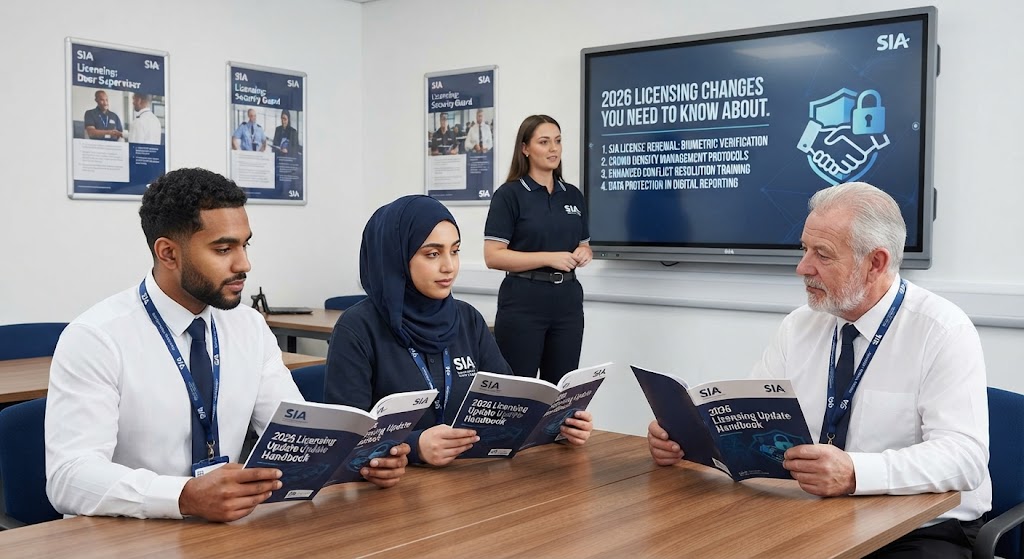
The private security industry continues to evolve, and staying informed about the latest licensing requirements is essential for anyone planning a career in security. Whether you are applying for your first licence or renewing an existing one, understanding the 2026 updates can help you avoid delays and ensure you remain legally qualified to work.
If you are considering a door supervisor course in London, now is the perfect time to learn about the latest licensing rules. The Security Industry Authority (SIA) has introduced and continued several important changes that affect both new applicants and existing licence holders. These updates focus on improving professional standards, enhancing public safety, and ensuring security officers have up-to-date knowledge and practical skills.
Why Licensing Rules Change
The security industry faces new challenges every year. Door supervisors now deal with larger crowds, changing laws, increased public safety concerns, and more complex workplace situations.
To keep standards high, the SIA regularly reviews:
- Training requirements
- Licence renewal processes
- Qualification standards
- Public safety measures
- Professional conduct
These updates ensure that licensed security professionals are prepared for modern security roles.
Mandatory Refresher Training Remains in Place
One of the biggest licensing changes affecting security professionals is the mandatory refresher training requirement.
If you are renewing a Door Supervisor or Security Guard licence, you must complete the required refresher qualification before submitting your renewal application.
This refresher training helps ensure that licence holders understand current legislation, updated procedures, and modern security practices.
First Aid Qualification Is Required
Before attending refresher training or beginning a new Door Supervisor qualification, learners must hold a valid Emergency First Aid at Work certificate or an accepted equivalent.
This requirement helps ensure every licensed security professional has basic life-saving knowledge before working in public-facing roles.
Updated Licence Renewal Process
Licence renewal is no longer simply about paying a fee and completing background checks.
Applicants renewing their licence should:
- Complete refresher training where required.
- Hold a valid first aid qualification.
- Meet the latest SIA qualification requirements.
- Pass identity and criminal record checks.
- Continue meeting eligibility requirements.
Planning ahead is important because missing any requirement can delay your renewal.
New Applicants Must Complete Approved Training
Anyone applying for a Door Supervisor licence for the first time must successfully complete an approved qualification before submitting an application.
A recognised door supervisor course in London includes both theoretical learning and practical assessments designed to prepare learners for real workplace situations.
Training covers topics such as:
- Conflict management
- Physical intervention
- Searching procedures
- Customer service
- Emergency response
- Counter-terror awareness
- Protecting vulnerable people
Completing approved training is a legal requirement before applying for an SIA licence.
Identity Checks Remain Strict
Applicants must continue to verify their identity during the application process.
You may need to provide:
- Proof of identity
- Address history
- Supporting documentation
- Evidence of qualifications
The SIA uses these checks to confirm applicants meet licensing requirements.
Right to Work Requirements
Applicants must have the legal right to work in the United Kingdom before a front-line SIA licence can be granted.
During the application process, the SIA checks immigration and employment status where applicable.
Applicants should ensure all required documents are available before applying.
Criminal Record Checks Continue
Every licence applicant undergoes criminal record checks.
Having a previous conviction does not automatically prevent someone from receiving a licence, but each case is assessed according to the SIA’s licensing criteria.
Applicants should always provide accurate information during the application process.
Updated Qualification Standards
Training providers now deliver qualifications that reflect today’s security environment.
The latest door supervisor course in London places greater emphasis on practical learning rather than memorising information.
Students now spend more time practising:
- Customer interaction
- Incident response
- Communication
- Risk assessment
- Teamwork
- Conflict resolution
These improvements better prepare learners for employment.
More Focus on Public Safety
Public safety is now at the centre of modern security training.
Current qualifications teach learners how to:
- Identify risks.
- Respond to emergencies.
- Protect vulnerable individuals.
- Manage crowds safely.
- Report suspicious activity.
- Support emergency services.
These skills help improve safety in public places throughout London.
Professional Behaviour Is More Important Than Ever
Employers expect security staff to behave professionally at all times.
Training now places greater emphasis on:
- Respectful communication
- Customer care
- Ethical behaviour
- Equality and diversity
- Professional appearance
- Teamwork
Professionalism not only improves public confidence but also creates better career opportunities.
Better Practical Assessments
The latest qualifications use a combination of written and practical assessments.
Learners may complete:
- Multiple-choice exams
- Physical intervention assessments
- Practical demonstrations
- Scenario-based exercises
- Trainer observations
These methods better reflect the real responsibilities of a Door Supervisor.
Digital Licence Management
Most licence applications and renewals are managed through the SIA’s online account system.
Applicants should:
- Create an online account.
- Keep personal details updated.
- Monitor licence expiry dates.
- Apply for renewals before licences expire.
Managing your account carefully helps avoid unnecessary interruptions to your employment.
Planning Your Licence Renewal
Waiting until your licence is about to expire can create unnecessary stress.
A good renewal plan includes:
- Checking your expiry date.
- Booking refresher training early.
- Completing first aid training if required.
- Preparing identification documents.
- Applying before your licence expires.
Planning ahead reduces the risk of delays.
Benefits of Staying Up to Date
Keeping your licence current offers many advantages.
These include:
- Legal compliance
- Better job opportunities
- Greater employer confidence
- Improved professional skills
- Increased workplace safety
- Stronger career development
Employers are more likely to recruit candidates who understand the latest licensing requirements.
How These Changes Affect New Learners
If you are starting your career, the latest licensing requirements provide a stronger foundation than ever before.
A modern door supervisor course in London prepares learners with practical experience, legal knowledge, communication skills, and confidence before they enter the workplace.
Although the training is more comprehensive than in previous years, it also makes learners more employable.
Choosing the Right Training Provider
The quality of your training provider can make a significant difference to your success.
When choosing a provider, look for:
- Experienced instructors
- Approved qualifications
- Practical learning opportunities
- Excellent student support
- Positive learner feedback
- Flexible training schedules
A trusted provider helps learners complete their qualification with confidence.
BeTrain delivers high-quality Door Supervisor training that follows current SIA requirements. With experienced trainers, practical teaching methods, and learner support throughout the course, students gain the knowledge and confidence needed to begin a successful security career in London.
Common Mistakes to Avoid
Many applicants experience delays because of simple mistakes.
Try to avoid:
- Allowing your licence to expire before renewing.
- Forgetting to complete refresher training.
- Attending training without a valid first aid certificate.
- Providing incorrect personal information.
- Waiting until the last minute to apply.
Preparing early makes the entire process much easier.
Future Changes to Expect
The private security industry will continue to evolve, and licensing requirements are likely to change over time.
Future updates may include:
- Enhanced digital services
- Updated training content
- New public safety guidance
- Improved practical assessments
- Additional professional development opportunities
Staying informed helps security professionals remain compliant and competitive throughout their careers.
Conclusion
The 2026 licensing requirements highlight the SIA’s ongoing commitment to improving standards across the private security industry. From mandatory refresher training and first aid qualifications to updated assessments and stronger professional standards, these changes are designed to ensure Door Supervisors have the knowledge and practical skills needed to protect the public and perform their duties confidently.
If you are planning to enrol in a door supervisor course in London, choosing a trusted provider such as BeTrain is an excellent way to begin your journey. With training that reflects the latest licensing requirements, experienced instructors, and practical learning, you’ll be well prepared to achieve your SIA licence and build a successful career in London’s growing security industry.