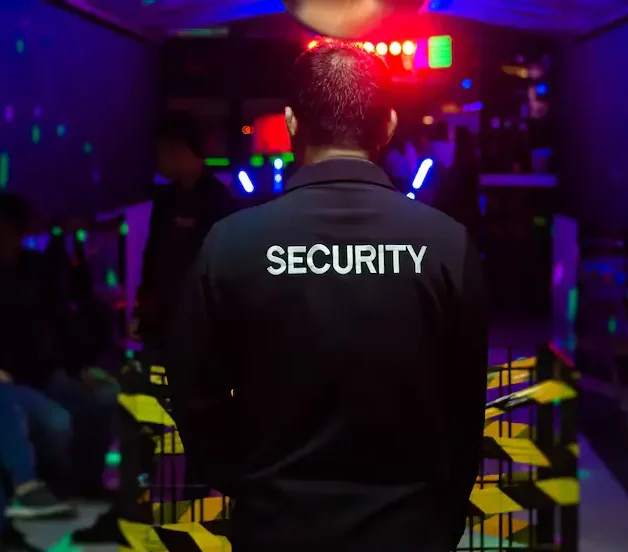
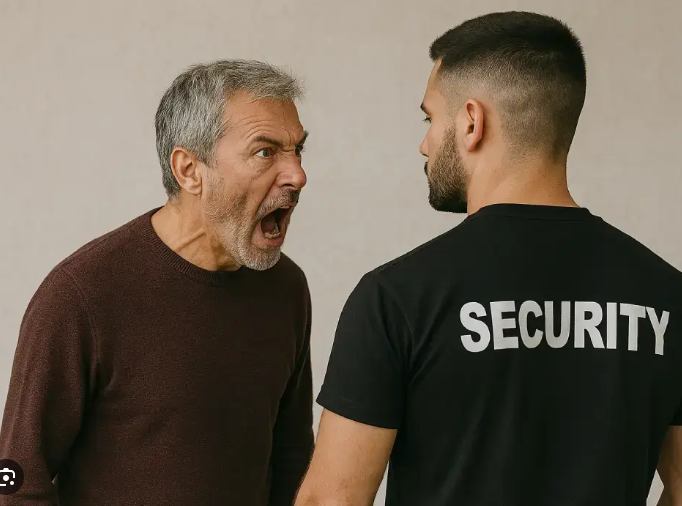
In the bustling heart of London, where nightlife, corporate events, and public gatherings thrive, the role of a door supervisor is more than just a job—it is a vital pillar of public safety. While the physical aspect of security often gets the most attention, the most successful professionals in the industry share a different secret weapon: advanced conflict management.
Whether you are looking to start your career or advance to a supervisory role, adding a specialized conflict management certification to your skillset is one of the smartest professional investments you can make in the UK security sector.
Why Conflict Management is Your Most Important Tool
As a door supervisor in London, you are the “first line of response”. You will face diverse situations ranging from intoxicated patrons in Soho to high-stress crowds at corporate venues in Canary Wharf.
1. The Shift from Force to Finesse
The modern security industry has moved away from the “muscle-only” approach. Employers today prioritize “soft skills”—communication, empathy, and negotiation—over brute force. Conflict management training teaches you to de-escalate situations before they ever become physical, which protects both the venue’s reputation and your own legal standing.
2. Legal and Regulatory Compliance
The Security Industry Authority (SIA) mandates specific standards for a reason. When you hold a certification in advanced conflict management, you demonstrate that you understand the Human Rights Act and the Equality Act 2010. In a city as diverse as London, knowing how to handle religious headwear, medical exemptions, and disability awareness correctly is not just polite—it is a legal requirement.
3. Career Advancement and Employability
In a competitive market like London, certification sets you apart. If you are applying for high-end roles, lead supervisor positions, or security management, a standard SIA badge is the baseline. An additional certification in conflict management signals to agencies that you are a “low-risk, high-skill” hire who can be trusted to handle sensitive situations independently.
What is Included in Conflict Management Training?
While your core Door Supervisor course covers the basics, specialized conflict management training goes much deeper into the psychology and mechanics of human behavior.
Core Modules Often Covered:
- Psychology of Aggression: Understanding why people act out—whether due to alcohol, fear, perceived injustice, or mental health crises. Get Your SIA
- Non-Verbal Communication: Mastering your body language, tone, and eye contact to project authority without appearing aggressive. Get Your SIA
- Strategic De-escalation: Learning scripted phrases and “active listening” techniques that help agitated individuals feel heard and calmed down. All Time Security
- Group Dynamics: Identifying “alpha” members in a crowd and managing the group as a whole rather than reacting to individual outbursts.
- Legal “Do Not” Policies: Ensuring you never breach anti-discrimination laws while enforcing venue policy. Scribd
Applying Conflict Management in Real-World London Scenarios
London’s fast-paced environment requires quick, level-headed decisions. Here is how advanced training changes your response to common incidents:
The “Refusal of Entry” Scenario
Standard training tells you to refuse entry. Advanced conflict management teaches you to communicate the refusal in a way that minimizes the chance of a fight. By acknowledging the patron’s frustration (empathy) while firmly stating the policy (assertiveness), you can often encourage the person to walk away peacefully rather than escalating into a confrontation.
Get Your SIA
Handling Intoxicated Patrons
Intoxication lowers inhibitions and impairs communication. A certified supervisor knows to adjust their style: using simpler sentences, slowing down their speech, and maintaining a safe distance to prevent the patron from feeling “cornered”.
Managing Mental Health Crises
Not all aggressive behavior is malicious. You will learn to recognize the signs of a mental health crisis and respond with compassion, ensuring the individual is treated with dignity while maintaining the safety of the venue.
Get Your SIA
How to Get Certified
If you are already a licensed door supervisor in London, you don’t necessarily need to redo your whole course to gain these skills.
- Look for “Upskilling” Courses: Many SIA-approved training providers in London offer specific “Conflict Management for Security Practitioners” modules.
- Focus on Soft Skills Workshops: Look for seminars or short courses that emphasize communication, active listening, and teamwork. Blackstar Security
- Cross-Training: Some employers offer in-house training for things like disability awareness or advanced fire safety, which, when paired with conflict management, creates a “multi-skilled” profile that is highly valued by London’s top security firms. TTS FM
The Long-Term Benefits
Investing in your skillset pays dividends far beyond your paycheck.
- Personal Confidence: Knowing you have the tools to handle almost any conversation calmly builds immense professional self-esteem.
- Better Team Dynamics: When you understand how to manage conflict, you become a better team player, helping your colleagues stay calm and organized during high-pressure shifts. Security Jobs Board UK
- Future-Proofing: As technology (like CCTV and body-worn cameras) becomes more common, the human element—your ability to interact and negotiate—becomes even more valuable.
Conclusion
The security industry in London is evolving. Employers are no longer just looking for someone to stand at a door; they are looking for professionals who can represent their brand, manage risk with precision, and de-escalate tension with intelligence.
By adding a conflict management certification to your resume, you are doing more than just ticking a box. You are committing to a higher standard of professionalism. You are showing that you prioritize the safety of your venue and the dignity of the public. Take the leap, enhance your skillset, and position yourself as a leader in one of the world’s most dynamic security landscapes.