
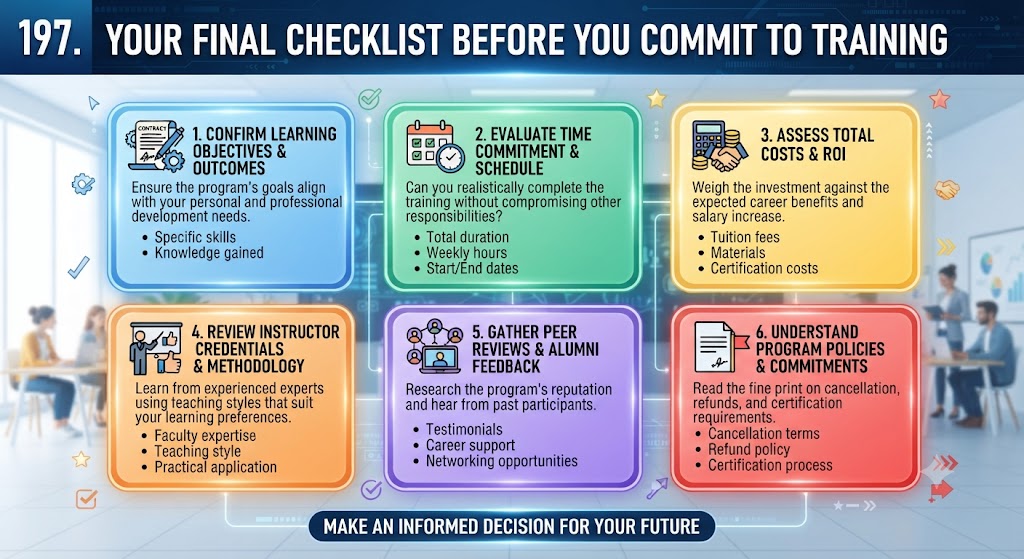
Choosing the right door supervisor course in London is an important decision that can shape your future career in the private security industry. Every year, thousands of people across London, United Kingdom enrol in training with the goal of earning an SIA licence and securing reliable employment. While many complete their training successfully, others realise too late that they chose the wrong training provider or were not fully prepared before starting.
Before paying for a course, it is worth taking some time to review a final checklist. This simple preparation can help you avoid unnecessary problems, choose a quality training provider, and begin your learning journey with confidence. A few careful decisions before enrolment can save time, money, and frustration later.
If you are considering a door supervisor course in London, this guide will walk you through everything you should check before making your commitment.
Make Sure You Meet the Basic Entry Requirements
The first thing to confirm is whether you meet the basic requirements for joining the course. Most training providers expect learners to have a reasonable understanding of spoken and written English because the course includes reading materials, classroom discussions, written assessments, and practical activities.
You should also be prepared to provide valid identification when requested. While requirements may vary slightly between providers, having your documents ready before enrolment makes the registration process much smoother.
Checking these requirements early helps prevent unexpected delays before your course begins.
Understand What the Course Includes
Not every training provider offers exactly the same learning experience. Before booking your place, ask what is included in the course fee.
A quality door supervisor course in London should normally include classroom teaching, practical exercises, learning materials, assessments, and guidance throughout the training. Some providers may also include first aid training if required, while others may charge separately.
Knowing exactly what you are paying for helps you compare different providers fairly instead of simply choosing the cheapest option.
Research the Training Provider
One of the most important parts of your checklist is researching the company that will deliver your training.
Take time to learn about their experience within the security training industry. Read reviews from previous students, check how long they have been operating, and look for feedback about their instructors.
A trusted provider usually has experienced trainers, organised classrooms, clear communication, and a reputation for helping students succeed.
Choosing a respected training centre often leads to a much better learning experience.
Confirm the Course Is Properly Approved
Before committing to any door supervisor course in London, make sure it delivers the recognised qualification needed to apply for an SIA licence.
Reputable providers are transparent about the qualifications they offer and should be happy to explain the certification process.
If a provider avoids answering questions about accreditation or qualifications, this should be treated as a warning sign.
Always understand exactly what qualification you will receive after successfully completing the course.
Compare More Than Just Price
Many people focus only on finding the cheapest course available.
While saving money is important, price should never be your only consideration.
A lower-priced course may not provide the same level of support, experienced instructors, modern facilities, or additional learning resources.
Instead, compare overall value by considering:
Course quality.
Instructor experience.
Student reviews.
Support during training.
Location.
Class size.
Pass rate.
Career guidance.
Sometimes paying slightly more provides a much better learning experience and greater confidence throughout your training.
Check the Course Schedule
Before booking, make sure the training schedule fits your personal commitments.
Many people balance work, family responsibilities, or other studies while completing a door supervisor course in London.
Look carefully at:
Course dates.
Daily start and finish times.
Weekend or weekday availability.
Length of the course.
Assessment dates.
Choosing a schedule that matches your availability reduces stress and makes it easier to focus during lessons.
Consider the Training Location
London is a large city, so travelling to your training centre should also be considered.
Think about:
Travel time.
Public transport connections.
Parking availability if driving.
Travel costs.
Safety when returning home after evening sessions.
Selecting a convenient location makes attendance much easier throughout the course.
Understand the Assessment Process
Many new learners worry about exams because they are unsure what to expect.
Before committing, ask the training provider to explain how assessments are completed.
Understanding the assessment process in advance helps reduce anxiety and allows you to prepare more effectively.
You should know:
How many assessments are included.
Whether there are practical assessments.
How results are provided.
What happens if you need additional support.
Having this information before your first lesson helps you feel more confident.
Ask About Learning Support
Everyone learns differently.
Some students understand information quickly, while others benefit from extra explanation.
Good training providers recognise these differences and offer support whenever needed.
Before enrolling, ask whether instructors are available to answer questions during the course and whether additional learning support is available if you struggle with certain topics.
Feeling supported throughout your learning can make a significant difference.
Check the Class Size
Smaller class sizes often provide more opportunities to interact with instructors.
When classes are too large, individual attention can become limited.
Ask approximately how many students normally attend each course.
Smaller groups usually allow:
More discussion.
Better practical supervision.
More opportunities to ask questions.
Additional instructor feedback.
Although larger classes are not always a problem, knowing what to expect helps you prepare.
Be Honest About Your Motivation
Before beginning any door supervisor course in London, ask yourself why you want to enter the security industry.
Are you looking for:
A long-term career?
Flexible employment?
Career progression?
Additional income?
A fresh start?
Understanding your own goals helps you stay motivated throughout the training process, especially when studying challenging subjects.
Clear motivation often leads to better focus and stronger commitment.
Prepare Financially
Training is an investment in your future.
Before booking, make sure you understand all potential costs.
Besides the course fee, consider:
Travel expenses.
Food during training days.
Possible licence application fees.
Study materials if required.
Planning your budget in advance helps you avoid unexpected financial pressure during the course.
Organise Your Personal Schedule
One of the most common reasons students struggle is poor time management.
Before training begins, organise your personal commitments.
Arrange childcare if necessary.
Inform your employer about your schedule.
Plan transport.
Set aside revision time.
Completing these tasks before the course starts allows you to focus fully on learning instead of worrying about daily arrangements.
Prepare to Study
Although the training is designed for beginners, it still requires effort.
Successful students usually spend time reviewing course materials outside the classroom.
Before your course begins, prepare yourself mentally for learning.
Be ready to:
Take notes.
Ask questions.
Complete revision.
Practise important concepts.
Participate in discussions.
Viewing the course as professional education rather than simply a requirement often leads to much better results.
Bring the Right Mindset
The most successful trainees arrive with a positive attitude.
They understand that becoming a professional security officer involves responsibility, discipline, and continuous learning.
Instead of looking for shortcuts, they focus on understanding every topic properly.
A positive mindset improves confidence and creates a more enjoyable learning experience.
Learn About the Security Industry
Before starting your door supervisor course in London, spend some time learning about the wider security industry.
Research different job roles.
Understand employer expectations.
Read about customer service.
Learn basic conflict management principles.
Explore career opportunities after licensing.
Having this background knowledge makes classroom learning much easier because you already understand how different topics apply in real workplaces.
Ask Questions Before Booking
Never feel uncomfortable asking questions before paying for a course.
Professional training providers welcome enquiries and should be happy to explain every part of the learning process.
Questions might include:
What qualifications will I receive?
Who delivers the training?
What support is available?
What should I bring?
How are assessments completed?
What happens after I pass?
The answers you receive often reveal how professional and organised the provider really is.
Think Beyond Passing the Course
Many learners focus only on passing the assessments.
Instead, think about the long-term career you hope to build.
A door supervisor course in London provides the foundation for future opportunities within the private security industry.
Many licensed professionals later move into roles such as:
Corporate security.
Event security.
Retail security.
CCTV operations.
Security supervision.
Management positions.
Approaching the course with long-term career goals encourages deeper learning and better professional development.
Prepare for Professional Behaviour
Security professionals represent businesses and interact with members of the public every day.
Before training even begins, start developing professional habits.
Practise punctuality.
Dress neatly.
Communicate respectfully.
Listen carefully.
Follow instructions.
These behaviours not only help during training but also prepare you for future employment interviews.
Build Confidence Before Day One
Many first-time learners feel nervous before starting.
This is completely normal.
Confidence comes from preparation.
Read about the course.
Organise your documents.
Plan your travel.
Prepare your study materials.
Get enough rest before your first day.
Arriving prepared allows you to focus on learning rather than worrying about small details.
Stay Open to Learning
Even if you have previous experience in customer service, hospitality, retail, or another industry, approach the course with an open mind.
The security industry has its own legal responsibilities, procedures, and professional standards.
Successful trainees remain willing to learn new skills rather than assuming they already know everything.
This attitude often leads to stronger performance during both training and future employment.
Your Checklist Before You Enrol
Before making your final decision, ask yourself these important questions:
Do I meet the entry requirements?
Have I researched the training provider?
Is the qualification recognised?
Do I understand what is included?
Does the schedule suit my availability?
Can I easily travel to the training centre?
Do I understand the assessment process?
Have I planned my budget?
Am I prepared to study?
Am I committed to building a professional career?
If you can confidently answer yes to these questions, you are likely ready to begin your training.
Conclusion
Enrolling in a door supervisor course in London is more than simply booking a place in a classroom. It is the beginning of a professional journey that can lead to rewarding opportunities throughout London, United Kingdom. Taking the time to complete a final checklist before committing ensures that you choose the right training provider, understand what to expect, and prepare yourself for success from the very first day.
By researching carefully, asking the right questions, organising your schedule, and approaching the course with a positive attitude, you give yourself the best possible chance of completing your door supervisor course in London confidently. Good preparation not only helps you pass your assessments but also lays the foundation for a successful and long-lasting career in the private security industry.