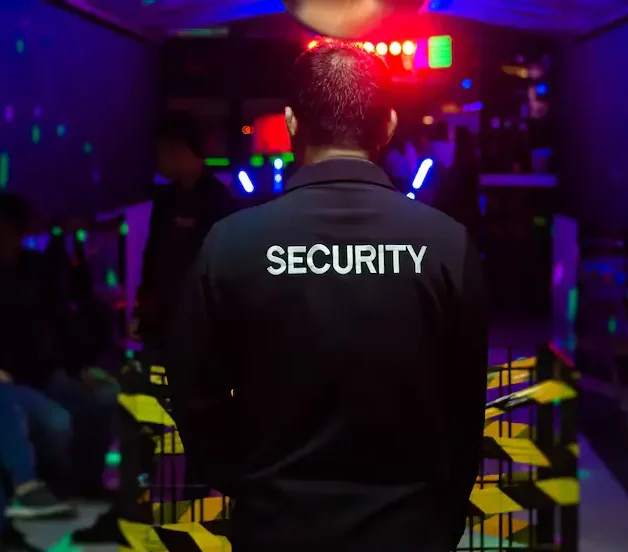

If you work as a door supervisor in the UK, you already know your SIA licence doesn’t last forever. Every three years, you need to renew it, and every renewal comes with a bill attached. But how much does it actually cost, and what exactly are you paying for?
This guide breaks down every expense involved in renewing your door supervisor licence, so you know exactly what to budget for and how to avoid paying more than you need to.
Why Your Licence Needs Renewing
The Security Industry Authority (SIA) issues licences that are valid for three years. This isn’t just a bureaucratic formality. The security industry changes, laws get updated, and the SIA wants to make sure every licensed door supervisor is still fit to do the job. Renewal is how they check that.
If your licence expires and you keep working without renewing it, you’re breaking the law. Employers can’t legally put you on the door without a valid licence, and working without one can lead to fines or even a criminal record. That’s why it pays to start the renewal process early, ideally a few months before your current licence runs out.
The Main Costs Involved in Renewal
1. The SIA Licence Fee
The core cost is the SIA application fee itself. This fee covers the administrative cost of processing your renewal, running background checks, and issuing your new licence. The SIA reviews this fee from time to time, so it’s worth checking the current rate on the official SIA website before you apply, rather than relying on old figures floating around online.
2. Refresher Training Course
Here’s the part many people forget about until it’s too late. To renew your door supervisor licence, you usually need to complete a refresher training course first. Unlike your original training, which covered everything from conflict management to physical intervention in depth, the refresher course is shorter and focuses on updates to the law, new best practices, and reminders of key skills.
This training isn’t optional padding, it’s a requirement for renewal in most cases, and the cost varies depending on the training provider you choose. Prices can range quite a bit, so it’s worth comparing providers rather than picking the first one you find. A well-run door supervisor course in London should give you everything you need to pass without unnecessary extras that push the price up.
3. First Aid Certification
Many door supervisor roles also require a valid first aid certificate. If yours has expired or is close to expiring, you’ll need to renew this alongside your licence. Some training providers bundle first aid training with the refresher course, which can work out cheaper than booking it separately.
4. DBS Check
A criminal record check, known as a DBS check, is often part of the renewal process. This confirms you don’t have any disqualifying convictions. The cost is usually modest compared to the training fees, but it’s still a line item to budget for.
5. Photos and Admin Costs
Small costs add up too. You’ll typically need passport-style photos for your application, and depending on how you apply, there may be small processing or postage fees. These aren’t huge, but they’re easy to overlook when you’re totting up the total cost of renewal.
Hidden Costs People Often Miss
Beyond the official fees, there are a few costs that catch people off guard:
- Lost income during training days. If you have to take time off work to attend your refresher course, that’s income you’re not earning during those hours.
- Travel and parking. If your training provider isn’t local, getting there and back adds up, especially if the course runs over multiple days.
- Late renewal penalties. If you let your licence lapse and have to reapply as a new applicant rather than renewing, you could end up paying more and waiting longer than if you’d renewed on time.
How to Keep Renewal Costs Down
The good news is that renewal doesn’t have to break the bank if you plan ahead. Here’s how to keep costs manageable:
Start early. Don’t wait until your licence is about to expire. Renewing in good time avoids the risk of having to reapply as a new applicant, which usually costs more and takes longer.
Compare training providers. Prices for refresher courses vary between providers, and a higher price doesn’t always mean better quality. Look for a provider with good pass rates, flexible scheduling, and clear reviews from past students.
Bundle your training. Some courses combine the refresher training with first aid renewal in one package, which can save you money compared to booking them separately.
Choose a convenient location. Picking a training centre close to home or work cuts down on travel costs and time off. If you’re based in or near the capital, a door supervisor course in London puts training within easy reach without the added expense of long-distance travel.
Ask about payment plans. Some training providers let you spread the cost of your course, which can make budgeting easier if you’re paying out of your own pocket.
Why Renewing on Time Matters
It’s tempting to put off renewal, especially when money is tight, but letting your licence lapse almost always costs more in the long run. Once your licence expires, you can’t legally work as a door supervisor. That means lost income while you wait for a new application to be processed, which typically takes longer than a straightforward renewal.
On top of that, if you’ve let your licence lapse for too long, the SIA may treat your application as a fresh one rather than a renewal, meaning you go through the same checks and costs as someone applying for the very first time. Renewing on time, with your refresher training and paperwork sorted well in advance, is almost always the cheaper and less stressful option.
Getting Started With Your Renewal
If your licence is due for renewal soon, the best first step is booking your refresher training course. Look for a provider that’s SIA-approved, has clear pricing with no hidden extras, and offers flexible dates that fit around your work schedule. A reputable door supervisor course in London can get you through your refresher training efficiently, so you can move on to the rest of your renewal paperwork without delay.
Once your training is complete, you’ll submit your renewal application to the SIA along with the required fee, your DBS check, and any other supporting documents. Keep copies of everything, and apply well before your current licence expires to avoid any gap in your ability to work.
Frequently Asked Questions
1. How much does it cost to renew an SIA door supervisor licence?
The total cost includes the SIA application fee, refresher training course fees, a DBS check, and possibly a first aid renewal. Prices vary by provider, so it’s best to check current rates directly with your training provider and the SIA website.
2. Do I need to retake the full training course to renew my licence?
No. Renewal usually only requires a shorter refresher course rather than the full original qualification. The refresher covers legal updates and key skills rather than starting from scratch.
3. How long before my licence expires should I start the renewal process?
It’s recommended to start at least three months before your licence expires. This gives you enough time to complete refresher training, gather documents, and submit your application without any risk of a lapse.
4. What happens if my SIA licence expires before I renew it?
If your licence expires, you can no longer legally work as a door supervisor. Depending on how long it’s been expired, you may need to apply as a new applicant rather than renew, which can cost more and take longer to process.
5. Is first aid training required for licence renewal?
In many cases, yes. If your first aid certificate has expired or is close to expiring, you’ll need to renew it alongside your SIA licence, since a valid first aid certificate is often part of the licensing requirement.
6. Can I do my refresher training online?
Some elements of refresher training may be available online, but practical and assessed components typically need to be completed in person at an approved training centre. Check with your provider what format their course takes.
7. Does a DBS check need to be redone for renewal?
Yes, a new DBS check is generally required as part of the renewal process to confirm you have no disqualifying convictions since your last licence was issued.
8. Why do refresher courses cost less than the original training?
Refresher courses are shorter because they build on knowledge you already have. Rather than covering every topic from scratch, they focus on updates to legislation and best practice, which reduces the time and cost involved.
9. Where can I find a good door supervisor course in London?
Look for an SIA-approved training provider with transparent pricing, strong pass rates, and flexible scheduling. A well-reviewed door supervisor course in London can help you complete your renewal training efficiently.
10. Can I spread the cost of my licence renewal?
Some training providers offer payment plans or instalment options for their courses. It’s worth asking your chosen provider directly, as this isn’t standard across every training centre.
Renewing your door supervisor licence is an unavoidable part of working in the security industry, but with a bit of planning, it doesn’t have to be expensive or stressful. Book your refresher training early, compare your options, and keep your paperwork in order, and you’ll have your new licence in hand well before your old one runs out.