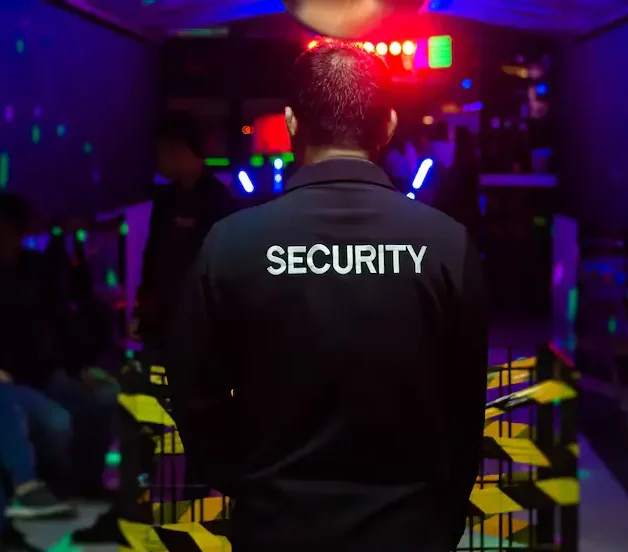

Running a security or hospitality business in a busy city means one thing above all else: your staff need proper training. Whether you manage a nightclub, a shopping centre, an events company, or a chain of bars, having a team of licensed, well-trained door staff is not optional — it is the law, and it is good business sense too.
This is where corporate and bulk training options come in. Instead of sending staff one by one to individual courses, many businesses now choose to book group training sessions. This saves time, saves money, and makes sure every member of staff gets the same standard of training on the same day.
In this guide, we will look at why bulk training makes sense for businesses, what to look for in a training provider, and why a door supervisor course in London is often the smartest starting point for companies that need licensed security staff.
Why Businesses Choose Bulk Training
If you run a company with five, ten, or fifty staff who all need the same qualification, booking each person onto a separate public course quickly becomes expensive and hard to manage. Bulk or corporate training solves this problem in a few clear ways.
1. Cost savings Training providers often offer discounted rates when a business books multiple seats at once. Instead of paying full price per person, companies can negotiate a group rate, which lowers the overall cost per employee.
2. Consistent standards When your whole team trains together, everyone learns the same material, in the same way, at the same time. This means there is no confusion later about who was taught what. Every staff member starts their job with the same foundation of knowledge.
3. Less disruption to operations Instead of losing staff to training on different days throughout the month, a business can plan one focused training period. This makes staffing rotas easier to manage and reduces the impact on daily operations.
4. Easier compliance tracking When a whole group is trained and certified together, it is much simpler for HR or compliance teams to keep records. You know exactly when the group was trained, when certificates expire, and when refresher training is due.
5. Custom scheduling Many training providers will come to your venue, or arrange sessions at times that suit shift patterns — including evenings or weekends. This flexibility is a major reason businesses prefer bulk bookings over sending staff to public courses.
What a Door Supervisor Course Actually Covers
For any business that employs security staff at pubs, clubs, festivals, retail sites, or corporate events, a door supervisor course is the first legal requirement. In the UK, anyone working as a door supervisor must hold an SIA (Security Industry Authority) licence, and to get that licence, they must complete an approved training course.
A typical door supervisor course covers:
- Conflict management and how to de-escalate difficult situations
- Physical intervention techniques used safely and legally
- Understanding relevant law, including licensing law and health and safety
- Emergency procedures, including fire safety and first aid basics
- Customer service and communication skills
- Drug and alcohol awareness
- Counter-terrorism awareness (an important addition in recent years)
Once staff pass the course and exams, they can apply for their SIA licence, which allows them to legally work as a door supervisor anywhere in the UK.
Why London Businesses Need Local Training Options
Businesses based in London face particular challenges. The city has a huge number of licensed venues, large events, and busy retail spaces, all of which require trained security staff. Because of this demand, a door supervisor course in London needs to be easy to access, properly accredited, and available regularly enough to keep up with staff turnover.
For businesses hiring in bulk, having a local, trusted training centre matters. It means:
- Staff do not need to travel far, reducing lost working hours
- Training can be booked quickly when new staff join
- The provider understands local licensing requirements and venue types
- Ongoing refresher courses are easy to schedule without long waits
This is exactly the gap that providers like BeTrain aim to fill, offering structured door supervisor training designed for both individuals and companies needing multiple staff trained together.
How Corporate Training Packages Usually Work
Most training providers who offer bulk or corporate packages follow a similar process, though the exact details vary by company:
- Initial consultation – The business tells the provider how many staff need training, their current experience level, and preferred dates.
- Custom quote – The provider offers a group price, often cheaper per person than standard individual bookings.
- Scheduling – Training is arranged either at the provider’s centre or, in some cases, on-site at the business’s own venue.
- Delivery of training – Staff attend the course together, covering all required modules and assessments.
- Certification and licensing support – Once staff pass, the provider often assists with the SIA licence application process, which can otherwise be confusing for first-time applicants.
- Ongoing support – Good providers offer refresher training and updates when licensing rules change, keeping your whole team compliant long-term.
Tips for Businesses Choosing a Training Provider
Not every training provider is equal, so it is worth checking a few things before booking a bulk course for your staff:
- Accreditation – Make sure the course is approved by the SIA and recognised nationally.
- Trainer experience – Ask about the background of the trainers delivering the course. Real industry experience makes a big difference.
- Group discounts – Confirm exactly how pricing works for larger bookings.
- Location and flexibility – Check whether the provider can train at your site or only at their own centre.
- Pass rates – A provider with a strong pass rate saves you the cost and hassle of repeat training.
- Aftercare – Ask what happens if a staff member needs to resit an exam, and whether ongoing refresher training is available.
The Business Case for Investing in Proper Training
Some businesses see staff training as just another cost. In reality, it is an investment that protects the business in several ways:
- Legal protection – Employing untrained or unlicensed door staff can lead to fines, loss of licence, or even closure of a venue.
- Reputation – Well-trained, calm, professional security staff improve the image of your business and make customers feel safe.
- Reduced incidents – Proper conflict management training reduces the chance of situations escalating into violence or legal trouble.
- Staff retention – Employees who receive proper training and support often stay longer, reducing recruitment costs.
For any business managing multiple venues or a growing team, choosing a reliable partner for a door supervisor course in London is one of the simplest ways to protect both staff and customers while staying fully compliant with the law.
Final Thoughts
Corporate and bulk training is no longer just a convenience — it is becoming the standard way that serious businesses handle staff certification. It saves money, keeps standards consistent, and makes compliance far easier to manage across a whole team.
If your business needs to train several door supervisors at once, working with an experienced local provider makes the whole process smoother. You can learn more about available courses and group booking options through BeTrain’s door supervisor course page.
Frequently Asked Questions
1. What is a door supervisor course? A door supervisor course is a training programme that teaches the skills needed to work legally as security staff at venues such as bars, clubs, and events. It covers conflict management, physical intervention, safety law, and customer service, and leads to an SIA licence.
2. Do I need an SIA licence to work as a door supervisor in London? Yes. Anyone working as a paid door supervisor in the UK, including London, must hold a valid SIA licence. Completing an approved door supervisor course is the first step to getting one.
3. How long does a door supervisor course take to complete? Most door supervisor courses run over four to six days, combining classroom learning, practical training, and exams. Exact timing can vary between providers.
4. Can businesses book training for multiple staff at once? Yes. Many training providers offer corporate or bulk training packages, allowing businesses to book several staff onto the same course, often at a reduced group rate.
5. Is on-site training available for companies? Some providers offer on-site training at a business’s own venue, especially for larger group bookings. This depends on the training company and group size.
6. How much does a door supervisor course cost? Prices vary depending on the provider, location, and whether it is booked individually or as part of a group package. Bulk bookings usually reduce the cost per person.
7. What happens after passing the door supervisor course? Once a candidate passes all required exams, they can apply for their SIA licence. Many training providers help guide staff through this application process.
8. Do door supervisors need refresher training? Yes. SIA licences need to be renewed periodically, and refresher training helps ensure staff stay updated on current laws, safety procedures, and best practices.
9. Is the course suitable for people with no security experience? Yes. Door supervisor courses are designed for beginners as well as experienced staff, starting with the basics and building up to practical skills and legal knowledge.
10. Why should a business choose a London-based training provider? A local provider understands London’s licensing rules, venue types, and staffing demands, making it easier to schedule training quickly and keep a growing team fully compliant.