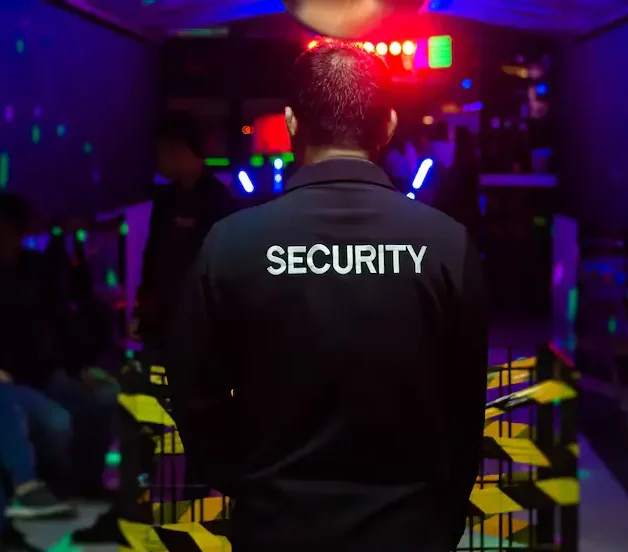

Training for a new career shouldn’t have to wait until you’ve saved up the full course fee in one go. That’s exactly why more and more people looking to start a career in security are choosing to pay for their training in instalments rather than as a single upfront payment. If you’ve been searching for a door supervisor course in London and wondering how flexible payment options actually work, this guide breaks it all down in plain, simple terms.
Whether you’re changing careers, a student looking for part-time work, or someone who simply prefers to spread out costs, understanding instalment plans can help you make a smarter, stress-free decision about your training.
What Does “Paying in Instalments” Actually Mean?
Paying in instalments simply means splitting the total cost of your course into smaller, manageable payments instead of paying everything at once. Rather than handing over the full fee on day one, you pay a portion upfront (sometimes called a deposit) and the remaining balance is spread across a set number of weeks or months.
This system works a lot like paying for a phone contract or a gym membership. You still get full access to the course and all its benefits you’re just spreading the financial commitment over time instead of feeling it all at once.
Why Training Providers Offer Instalment Plans
Security training, including SIA-licensed courses, isn’t always cheap. Course fees typically cover:
- Qualified trainers and classroom time
- Course materials and study resources
- Exam and certification fees
- Administrative costs for registering with awarding bodies
For many people, paying this in full immediately isn’t realistic especially if they’re between jobs or just starting out. Recognising this, many training centres offering a door supervisor course in London now offer flexible payment structures so cost doesn’t become a barrier to starting a new career.
How the Payment Process Usually Works
While each provider structures things slightly differently, most instalment plans follow a similar pattern:
- Initial deposit – You pay a portion of the course fee to secure your place. This is usually non-refundable once the course has started, as it covers your seat and materials.
- Scheduled remaining payments – The rest of the balance is divided into equal instalments, usually due weekly, bi-weekly, or monthly.
- Full payment before certification – In most cases, your certificate is issued only once the full course fee has been paid, so it’s worth keeping track of your payment schedule.
- Automatic reminders – Many providers send email or SMS reminders before each payment date so you don’t miss anything.
Some providers also offer interest-free instalments, meaning you don’t pay any extra for spreading out the cost — you simply pay the same total price, just divided over time.
Benefits of Paying in Instalments
1. Lower Financial Pressure
Instead of finding a large sum of money all at once, you can budget smaller amounts alongside your regular monthly expenses.
2. Faster Access to Training
You don’t have to wait months to save up the full amount. With a smaller deposit, you can often start your course almost immediately.
3. Easier Career Transition
For people moving into the security industry from another field, instalments make it easier to invest in new skills without disrupting your current financial situation.
4. Better Budgeting Control
Knowing exactly what you owe and when helps you plan your monthly finances more effectively than one large, unpredictable expense.
Things to Check Before Choosing an Instalment Plan
Before signing up for any instalment-based course, it’s a good idea to check the following:
- Is there an admin fee for instalments? Some providers charge a small fee for offering flexible payment options.
- What happens if you miss a payment? Understand the provider’s policy on late or missed payments.
- Can you pay off the balance early? Some providers allow early settlement without penalty.
- Is the certificate held until payment completion? Confirm when exactly you’ll receive your final qualification.
Taking a few minutes to clarify these details can save you from unexpected surprises later.
Why This Matters for a Door Supervisor Course in London
London’s security industry is competitive, but also full of opportunity — pubs, clubs, events, retail spaces, and corporate buildings all need licensed door supervisors. The challenge for many aspiring candidates isn’t lack of interest; it’s the upfront cost of getting SIA-licensed.
Flexible instalment options remove that barrier. Instead of delaying your career because you can’t pay the full fee immediately, you can begin your training right away and pay the rest gradually. This is particularly helpful for:
- Students who work part-time
- People currently unemployed and job-seeking
- Career changers moving from another industry
- Anyone wanting to start work as a licensed door supervisor quickly
If you’d like to see how this works in practice, you can view the available Door Supervisor Course in London and its payment options directly.
Final Thoughts
Paying for your training in instalments isn’t just a convenience — it’s a practical way to make career progression accessible to more people. It removes the pressure of finding a lump sum, allows you to start training sooner, and gives you predictable, manageable payments along the way.
If cost has been holding you back from getting your SIA licence, an instalment plan could be the simple solution that gets you into the security industry faster.
Frequently Asked Questions (FAQs)
1. Can I pay for a door supervisor course in instalments? Yes, many training providers allow you to split the total course fee into smaller payments instead of paying it all upfront.
2. How much deposit do I need to pay to start the course? This varies by provider, but typically you pay a portion of the total fee as a deposit to secure your place, with the rest spread across future payments.
3. Do instalment plans include extra interest or fees? Many providers offer interest-free instalments, though some may include a small administration fee. It’s best to check this with your chosen provider before enrolling.
4. What happens if I miss an instalment payment? Policies differ, but most providers will contact you first with a reminder. Continued missed payments could delay your certification or affect your enrolment status.
5. Will I get my certificate before I finish paying? Usually not. Most training providers issue your final certificate only after the full course fee has been paid in full.
6. How long do I have to pay off the full amount? This depends on the provider, but instalment plans commonly range from a few weeks to a few months, depending on the total course cost.
7. Can I pay off my remaining balance early? In most cases, yes. Many providers allow early repayment without any penalty, which can help you get your certificate sooner.
8. Is it cheaper to pay for the course in full upfront? Usually the total cost stays the same whether you pay upfront or in instalments — the difference is simply how the payment is spread over time.
9. Do I need good credit to qualify for an instalment plan? No credit check is typically required, since these are direct payment plans with the training provider rather than a loan or credit product.
10. Where can I find more details about instalment options for a door supervisor course in London? You can check the full course details, requirements, and payment structure directly on the official Door Supervisor Course in London page.