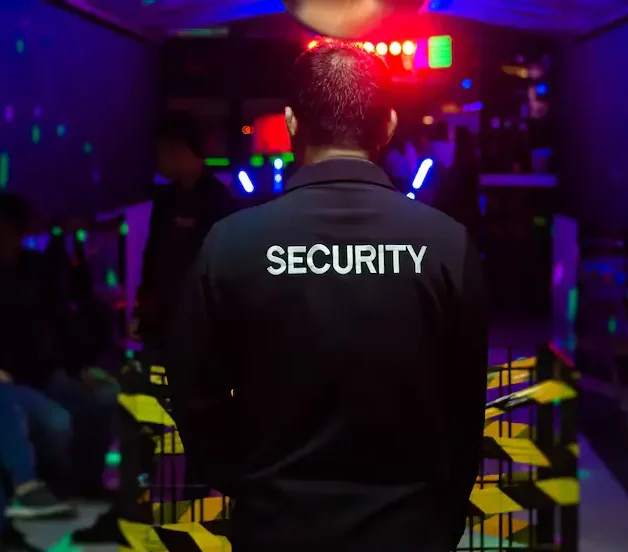

Picking the right training provider can make or break your journey into the security industry. If you’re searching for a Door Supervisor course in London, one of the smartest things you can do before signing up is look at pass rates. A provider’s pass rate tells you a lot about the quality of their teaching, the support they give students, and how seriously they prepare people for the real exam. In this article, we’ll break down why pass rates matter, what causes them to vary between providers, and how you can pick a training centre that actually sets you up for success.
Why Pass Rates Matter More Than You Think
When you’re comparing training providers, the course fee is usually the first thing people look at. But price alone doesn’t tell you whether you’ll actually pass and get your SIA licence. A cheap course that leaves you unprepared for the exam ends up costing more in the long run, because you’ll have to pay again to resit.
Pass rates are a much better indicator of value. A provider with a consistently high pass rate is usually doing several things right:
- Delivering clear, structured lessons that match the exam syllabus
- Giving trainees enough practice time with real scenarios
- Offering small class sizes so instructors can actually help each person
- Providing revision material and mock tests before the real exam
When a provider gets these basics right, students walk into the exam room feeling confident instead of anxious.
What Causes Pass Rates to Differ Between Providers
Not all door supervisor courses are built the same, even though they’re all working toward the same SIA licence. Here are the main reasons pass rates vary so much from one training centre to another.
1. Trainer Experience
A trainer who has actually worked as a door supervisor brings real stories, real judgement calls, and real tips that textbooks simply can’t teach. Providers who hire experienced, licensed trainers tend to produce more confident, better-prepared students.
2. Class Size
Some providers pack twenty or more people into a single class, which means less one-on-one attention. Smaller class sizes let instructors spot who’s struggling and adjust the pace, which naturally leads to better results.
3. Course Structure and Materials
Courses that follow a clear structure, with revision sessions and printed or digital materials, tend to help students retain information better than a rushed, lecture-only format.
4. Mock Exams and Practice Tests
Providers that include mock exams as part of the course give students a real feel for the test format, timing, and question style. This removes a lot of the guesswork and nervousness on exam day.
5. Location and Facility Quality
Believe it or not, the physical environment matters. A comfortable, well-equipped training room with proper space for physical intervention practice helps students learn the practical modules more effectively than a cramped or poorly resourced venue.
How to Check a Provider’s Pass Rate
Not every training company publishes their pass rate outright, but there are a few ways to get a good sense of it:
- Ask directly – A reputable provider should be happy to tell you their approximate pass rate.
- Read reviews – Google reviews and Trustpilot often mention whether students passed first time.
- Check SIA-approved status – Providers must be approved to deliver SIA-linked qualifications, which is a baseline sign of legitimacy.
- Look at course content – Providers who list mock exams, revision sessions, and practical workshops in their course outline are usually more invested in your success.
- Ask about resit policy – A provider confident in their teaching often offers a fair resit policy or extra support if someone doesn’t pass first time.
What a Strong Provider in London Looks Like
London has no shortage of training centres offering the Door Supervisor course, which makes comparing them essential rather than optional. A strong provider usually has:
- Experienced trainers with real security industry backgrounds
- Small, manageable class sizes
- A clear breakdown of the SIA syllabus covered in each session
- Practice tests built into the course
- Positive, consistent reviews from past students
- Transparent pricing with no hidden fees
- Support with the licence application process after you pass
If you’re looking for a provider that ticks these boxes, BE Trained’s Door Supervisor course is worth exploring. It’s designed to prepare students thoroughly for the SIA exam, with a focus on practical understanding rather than just memorising answers.
Common Mistakes People Make When Choosing a Provider
Even motivated students sometimes pick the wrong course because of a few avoidable mistakes:
- Choosing based on price alone – The cheapest option isn’t always the best value if it leads to a resit.
- Ignoring class size – Larger groups often mean less individual guidance.
- Not checking reviews – Past student experiences are one of the most honest indicators of quality.
- Skipping the syllabus check – Make sure the course actually covers all four SIA units: working in the private security industry, working as a door supervisor, conflict management, and physical intervention skills.
- Forgetting about location convenience – A course that’s hard to get to consistently can affect attendance and focus.
Final Thoughts
Comparing pass rates across providers isn’t just a nice-to-have step — it’s one of the most practical ways to make sure your time and money are well spent. A provider with strong pass rates, experienced trainers, and a well-structured course gives you the best possible shot at passing on your first attempt and starting your career in the security industry without unnecessary delays.
Frequently Asked Questions
1. What is a good pass rate for a Door Supervisor course? Most reputable providers aim for pass rates above 85-90%. Anything significantly lower may suggest gaps in teaching quality or exam preparation.
2. Does the SIA itself set or publish pass rates? No, the SIA doesn’t publish provider-specific pass rates. This information usually comes from the training providers themselves or from student reviews and feedback.
3. Why do some Door Supervisor courses cost more than others? Price differences often reflect smaller class sizes, more experienced trainers, better facilities, or additional support like mock exams and revision sessions.
4. How long does a Door Supervisor course usually take? Most courses run over 4 to 6 days, covering all four SIA-required units, including physical intervention and conflict management training.
5. What happens if I fail one of the exam units? Most providers allow you to resit the specific unit you failed rather than repeating the entire course, though policies vary between training centres.
6. Is classroom size really linked to pass rates? Yes, smaller classes generally allow trainers to give more individual attention, answer questions in depth, and adjust the pace to suit the group, which tends to improve results.
7. Can I check a provider’s reviews before booking a course? Absolutely. Google reviews, Trustpilot, and even social media comments often mention whether past students found the course helpful and whether they passed first time.
8. Do all Door Supervisor courses in London cover the same syllabus? Yes, all SIA-linked courses must cover the same four core units, but how thoroughly and effectively each unit is taught can vary significantly between providers.
9. Is it worth paying more for a provider with a higher pass rate? In most cases, yes. Paying slightly more for a course with better teaching and a higher pass rate can save you the time and cost of a resit later.
10. How do I know if a training provider is SIA-approved? You can check the provider’s website for accreditation details, or ask them directly for proof of approval before booking your course.