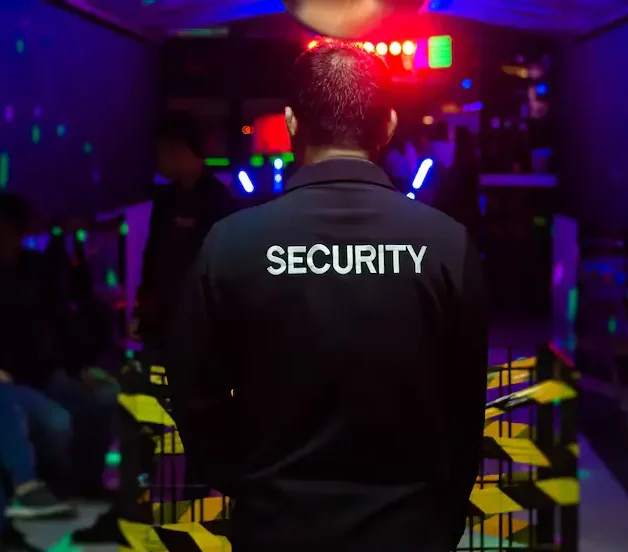

Starting a new course always brings a mix of excitement and nerves, and a door supervisor course in London is no different. Whether you are switching careers, adding a new skill to your CV, or stepping into the security industry for the first time, feeling a little anxious before day one is completely normal. The good news is that most first-day worries come down to two simple things: knowing what to wear and knowing what to bring. Once you have those sorted, the rest becomes much easier to handle.
This guide walks you through everything you need to feel calm, prepared, and confident before you even walk through the door.
Why First Day Nerves Happen
Nerves before a new course are natural. You are stepping into an unfamiliar environment, meeting new people, and learning something that could shape your career. Add in questions like “Am I dressed right?” or “Did I forget something important?” and it is easy to feel overwhelmed before the training even starts.
The truth is, once training begins, most people settle in within the first hour. Trainers are used to welcoming complete beginners, and the classroom environment is designed to be supportive rather than intimidating. Preparing in advance is the best way to turn nervous energy into confidence.
What to Wear on Your First Day
Dress code matters more than people expect, especially for a course that leads into the security industry, where presentation and professionalism are part of the job.
Keep It Smart and Comfortable
You do not need a suit, but you should avoid anything too casual like ripped jeans, flip-flops, or gym wear. A good rule of thumb is business casual: neat trousers, a plain shirt or polo top, and comfortable closed-toe shoes.
Think About Practical Training Days
Some sessions may include physical intervention or conflict management modules. On these days, wear clothing that allows you to move freely, such as tracksuit bottoms or joggers paired with a t-shirt, along with trainers that offer good grip and support.
Avoid Distracting Accessories
Keep jewellery minimal and avoid anything that could get in the way during practical exercises. Long hair should be tied back, and strong perfumes or colognes are best avoided out of consideration for others in a shared classroom.
Layer Up
Training rooms can vary in temperature. Bringing a light jacket or jumper means you can adjust to the room without feeling too hot or too cold throughout the day.
What to Bring on Your First Day
Packing the right items the night before saves you from a stressful morning scramble. Here is a simple checklist:
- Valid photo ID – usually a passport or driving licence, required for registration and identity checks
- Proof of address – such as a recent utility bill or bank statement, if requested by your training provider
- A notepad and pen – even if digital materials are provided, handwritten notes help with memory retention
- Water bottle – training days can be long, and staying hydrated helps concentration
- Snacks – a small snack for breaks keeps energy levels steady
- Course confirmation email or booking reference – useful if there are any questions at reception
- Face covering – some venues may still request this depending on current guidance
- A positive mindset – it sounds simple, but going in open-minded makes a real difference
Tips to Calm First Day Nerves
- Arrive early. Give yourself extra time for travel so you are not rushing. Arriving 15-20 minutes early also gives you time to settle in before the session starts.
- Read the course outline beforehand. Knowing roughly what topics will be covered removes a lot of the unknown.
- Talk to your trainer if you have concerns. Trainers are there to help, not judge. If you are worried about a specific topic, mention it early.
- Remember everyone starts somewhere. Most people in the room are also new to this, so you are not alone in feeling unsure.
- Focus on learning, not perfection. You are not expected to know everything on day one. The course is designed to build your knowledge step by step.
What Happens on the First Day
Most door supervisor courses begin with an introduction to the course structure, followed by foundational modules covering the law, communication skills, and conflict management basics. Trainers typically explain what to expect from assessments and how the course is structured over the following days. By the end of day one, most learners feel far more settled than they did at the start.
Final Thoughts
First day nerves are completely normal, and they usually fade once you realise the environment is more welcoming than intimidating. By dressing smart and practical, packing the right essentials, and giving yourself time to settle in, you set yourself up for a smooth and confident start.
If you are looking for a well-structured, beginner-friendly door supervisor course in London, choosing a provider that supports you from day one makes all the difference.
Frequently Asked Questions
1. What should I wear on the first day of a door supervisor course? Smart casual clothing works best, such as plain trousers and a shirt or polo top with comfortable closed-toe shoes. Avoid overly casual items like flip-flops or ripped jeans.
2. Do I need to bring ID to my door supervisor course? Yes, a valid passport or driving licence is usually required for identity verification and course registration on the first day.
3. What should I bring on the first day of training? Bring your ID, a notepad and pen, water, snacks, and your course confirmation email. Comfortable clothing and a positive mindset also help.
4. Is it normal to feel nervous before starting a course like this? Yes, first day nerves are common for almost everyone. Most learners feel settled within the first hour once training begins.
5. Will there be physical training on the first day? Physical modules like conflict management are usually introduced later in the course, but it is wise to wear comfortable, flexible clothing just in case.
6. How early should I arrive on the first day? Arriving 15 to 20 minutes early is recommended to allow time for registration and to settle in before the session starts.
7. Do I need any prior experience to join a door supervisor course? No prior experience is needed. Courses are designed for beginners and build knowledge from the ground up.
8. What topics are usually covered on the first day? Most courses start with an overview of the course structure, relevant law, and basic communication skills before moving into more detailed modules.
9. Can I ask the trainer questions if I am unsure about something? Yes, trainers expect questions and are there to support learners throughout the course, especially on the first day.
10. Where can I find a reliable door supervisor course in London? You can explore course details and enrolment options through BeTrain’s door supervisor course in London, designed to support learners from their very first day.