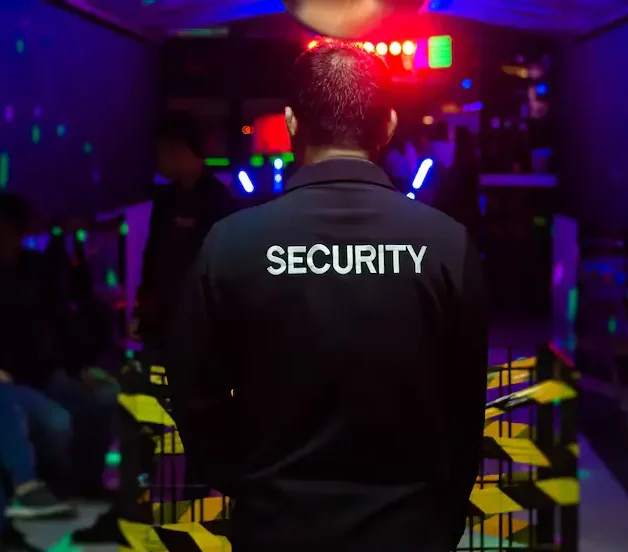

If you are thinking about starting a career in security, one of the first things you should understand is that door supervision is not just about being tall, strong, or confident. It is a job that depends heavily on communication. Whether you are checking IDs, calming down an angry customer, or working with the police, your ability to speak and understand English clearly can make the difference between a safe night and a dangerous one.
This is why English language standards are a key part of any recognised door supervisor course in London. Training providers and licensing bodies want to make sure that every licensed door supervisor can read instructions, write incident reports, and talk to the public in a way that is clear and professional.
In this article, we will explain exactly what English language level is expected, why it matters so much in this industry, and how you can prepare yourself before you start your course. If you are ready to start your journey, you can find a fully accredited door supervisor course in London that will guide you through every requirement, including the language and communication skills you need.
Why English Language Skills Matter in Door Supervision
Door supervisors are often the first point of contact between a venue and the public. They deal with:
- Checking identification documents
- Explaining venue rules to customers
- De-escalating arguments or conflicts
- Writing incident reports
- Communicating with the police, ambulance staff, or venue management
- Following instructions from supervisors and licensing authorities
Every one of these tasks depends on clear communication. A misunderstood sentence during a tense moment can turn a small disagreement into a serious incident. This is why the Security Industry Authority (SIA) and training centres place strong importance on spoken and written English before issuing a licence.
What Level of English Do You Need?
Most SIA-approved training providers expect learners to have a minimum standard of English that is roughly equal to Entry Level 3 or Level 1 on the national framework. This does not mean you need to be perfectly fluent like a university graduate. It means you should be able to:
- Understand spoken instructions given during training or on the job
- Read basic written material, such as safety notices, policies, and instructions
- Write short, clear sentences, for example when filling out an incident report
- Hold a simple conversation with customers, colleagues, and emergency services
- Ask questions when you don’t understand something
If English is not your first language, this does not stop you from becoming a door supervisor. Many successful security professionals in the UK learned English as a second language. What matters is that you can function confidently in everyday work situations.
How Training Providers Check Your English Level
Before joining a course, many training centres run a simple assessment. This might include:
- A short reading and writing test
- A basic conversation with the trainer
- Listening to instructions and answering questions about them
This is not designed to catch people out. It is designed to make sure you get the right support from day one. If your English needs a little more practice, some providers can guide you toward extra classes or recommend you build your skills first before starting the full course.
Tips to Improve Your English Before Starting Your Course
If you are worried that your English might not be strong enough yet, here are some simple ways to improve before you begin training:
1. Practice everyday conversations Talk to friends, family, or colleagues in English as often as you can. The more you use it, the more natural it becomes.
2. Watch UK-based news and TV shows This helps you get used to different accents and everyday phrases used in Britain.
3. Read simple English articles or books Start with short news articles or beginner-level books, and slowly move to longer texts.
4. Practice writing short reports Try writing a few sentences each day about your daily activities. This builds the writing skill you will need for incident reports.
5. Take a short English course Local colleges and online platforms often offer free or low-cost English classes for adults.
6. Learn key security vocabulary Words like “incident,” “identification,” “refusal,” “search,” and “escort” come up often in this job. Getting familiar with them early will help you feel more confident.
What Happens During the Course Itself
Once you begin your door supervisor training, English is used throughout every part of the process. You will be:
- Listening to lessons and instructions from your trainer
- Reading training materials and case studies
- Taking part in group discussions and role-play exercises
- Completing a written multiple-choice exam
- Practicing real-life scenarios where clear communication is essential
Because of this, choosing a training centre that understands the needs of learners from different backgrounds is important. A good provider will explain things clearly, be patient with questions, and support you if English is your second language.
Why This Matters for Your SIA Licence
The SIA does not just want people who can pass a test. They want licensed door supervisors who can genuinely keep the public safe. This means understanding conflict management techniques, first aid instructions, fire safety procedures, and legal requirements — all of which are explained in English during training and tested in the final exam.
If your English skills are strong, you will find the course much easier to follow, and you will feel more confident once you start working. This confidence translates directly into safer, more professional performance on the job.
Choosing the Right Door Supervisor Course in London
London is one of the busiest cities in the UK for nightlife, events, and venues that require licensed security staff. This means there is strong demand for well-trained door supervisors who can communicate clearly and handle situations professionally.
A reliable door supervisor course in London should offer:
- Clear, easy-to-follow training materials
- Experienced trainers who support learners of all backgrounds
- Practical scenarios that build real communication skills
- Guidance on SIA licensing requirements
- Support for learners who need extra help with English
Choosing the right course is not just about passing an exam. It is about preparing yourself for real situations where your words and actions matter.
Final Thoughts
Good English skills are not an obstacle to becoming a door supervisor — they are simply part of the training that will make you better at your job. Whether you’re a native speaker or someone who has learned English as a second language, what matters most is your ability to communicate clearly, calmly, and confidently when it counts.
If you are ready to begin your journey, take the time to research a well-reviewed door supervisor course in London that can guide you step by step, including the communication skills you will need for a long and successful security career.
Frequently Asked Questions (FAQs)
1. Do I need perfect English to become a door supervisor? No. You need clear, functional English that allows you to understand instructions, read basic materials, and communicate with the public and colleagues confidently.
2. What English level is required for SIA training? Most courses expect a level roughly equal to Entry Level 3 or Level 1 in reading, writing, and speaking English.
3. Can I take a door supervisor course if English is my second language? Yes. Many successful door supervisors in the UK are non-native English speakers. Training providers often support learners who need extra help.
4. Will there be an English test before I join the course? Some training centres run a short assessment to check your reading, writing, and speaking skills before starting the full course.
5. What if my English is not strong enough yet? You can improve your English through practice, local classes, or online resources before enrolling. Some providers can also suggest support options.
6. Is the SIA exam only in English? Yes. The exam and training materials are provided in English, so a basic understanding of the language is essential to pass.
7. How can I improve my English quickly before starting training? Practice speaking daily, read simple articles, watch UK TV shows, and try writing short reports to build confidence.
8. Why is English so important for door supervisors specifically? Door supervisors must read situations quickly, explain rules clearly, write incident reports, and communicate with emergency services, all of which depend on strong English skills.
9. Does a good training provider help with English difficulties? Yes. A quality door supervisor course in London should offer patient, clear teaching and support for learners from different language backgrounds.
10. Where can I find a trusted door supervisor course in London? You can explore a fully accredited course, including guidance on English requirements, at betrain.co.uk’s door supervisor course page.