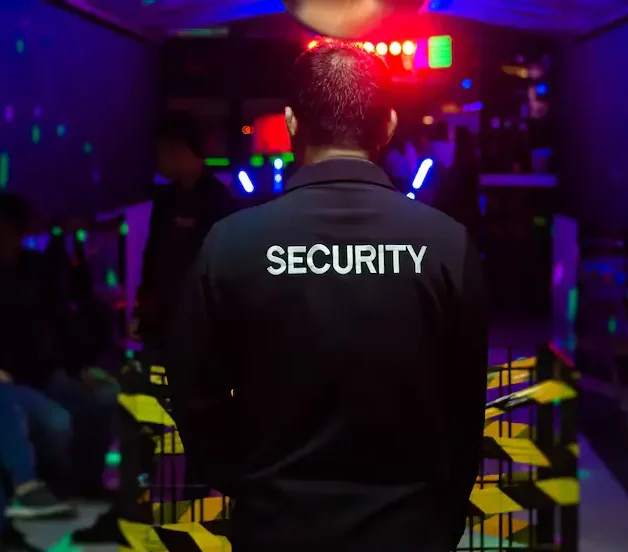

One of the most critical skills taught in any Door Supervisor course in London is the ability to check identification documents accurately and confidently. Whether you are working at a nightclub in Soho, a bar in Camden, or a music venue in Brixton, verifying the age and identity of customers is a legal responsibility that every licensed door supervisor must carry out. Getting it right protects the venue from serious fines and licence revocations and getting it wrong can end your career before it begins.
This guide walks you through exactly how to check ID properly, what valid forms of identification are accepted across London venues, the common mistakes door supervisors make, and how the training you receive as part of your Door Supervisor course in London prepares you for real-world scenarios.
Why ID Checking Is a Core Part of the Door Supervisor Course in London
The UK has strict laws regarding the sale of alcohol to underage individuals. Under the Licensing Act 2003, it is illegal to sell alcohol to anyone under the age of 18. Premises found in breach of this law can face unlimited fines, licence suspensions, or permanent closure. The person serving or facilitating that sale including the door supervisor who let that person in can also face personal liability.
This is why the SIA (Security Industry Authority) mandates that all individuals wishing to work as door supervisors must complete an accredited Door Supervisor course in London or elsewhere in England and Wales. The course covers the legal framework around age verification, how to identify valid and fraudulent documents, and how to handle refusals in a professional, conflict-free manner.
Providers such as Be Train offer fully accredited SIA Door Supervisor training in London that covers these exact competencies, giving you the confidence and knowledge to perform ID checks correctly from your very first shift.
What Forms of ID Are Accepted at London Venues?
Not all forms of identification are created equal. As a door supervisor in London, you need to know precisely which documents are legally acceptable under the Challenge 25 scheme and the Licensing Act 2003. The following documents are considered valid proof of age:
- A valid UK passport or foreign passport
- A photocard driving licence issued by the DVLA (or equivalent authority in Northern Ireland, EU, or EEA countries)
- An PASS (Proof of Age Standards Scheme) approved card these carry the PASS hologram and are widely recognised across London
- An Armed Forces ID card (MOD identity card)
- A national identity card from an EU or EEA country
Documents that are NOT accepted include bank cards, student union cards (unless PASS approved), gym memberships, or birth certificates. Your Door Supervisor course in London will drill these distinctions into you clearly, because accepting an invalid form of ID can be treated the same as not checking ID at all.
The Step-by-Step Process for Checking ID as a Door Supervisor in London
Professional ID checking is not simply glancing at a card and waving someone through. There is a structured process that every trained door supervisor should follow consistently:
Step 1 Request the ID Politely and Clearly
Always ask for ID in a calm, professional tone. Make it clear that it is venue policy applied to everyone, not a personal judgement. Use phrases like “Could I see some ID please?” rather than “You look too young.” This reduces the chance of a confrontation and keeps the interaction smooth.
Step 2 Hold the Document and Examine It Physically
Never allow the person to hold their ID while you look at it. Take the document in your hand. Feel the texture of the card legitimate documents have a specific weight and feel. Check for any signs of tampering, bubbling, peeling edges, or alterations to the laminate.
Step 3 Check the Date of Birth
Calculate whether the person is 18 or over based on the date of birth printed on the document. Do not rely on a quick visual guess actually work out the mathematics. In a busy London venue on a Friday night, it can be easy to make an arithmetic error under pressure. Take the few extra seconds needed.
Step 4 Verify the Photo Matches the Person
Compare the photograph on the document with the person standing in front of you. Look at facial structure, not just surface-level features like hair colour or style. Check the eye shape, jawline, and ear shape these are harder to disguise. If the person looks significantly different from their photo, ask questions or refuse entry.
Step 5 Look for Security Features
Valid UK driving licences include a hologram, a chip, and microprinting. UK passports have a gold crown hologram on the photo page and a chip. PASS-approved cards carry the PASS hologram. Tilt the document under the light to verify these features are present and not replicated by a poor-quality fake.
Step 6 Check the Expiry Date
An expired passport or driving licence is still considered valid for age verification purposes in many cases, but this can vary by venue policy. Always know your specific venue’s policy before your shift. As part of your Door Supervisor course in London, you will be briefed on how different venues may approach this.
Step 7 Make Your Decision and Document It If Necessary
If you are satisfied the ID is genuine, return it promptly and allow entry. If you have doubts, politely refuse entry and explain the reason. Some venues in London require door supervisors to log refusals in an incident book. This protects both you and the venue in the event of a complaint or licensing review.
Spotting Fake IDs What Your Door Supervisor Training in London Teaches You
Fake ID technology has become increasingly sophisticated, particularly in London where the sheer volume of nightlife venues creates a market for fraudulent documents. Your Door Supervisor course in London will include dedicated training on forgery detection, covering both low-quality fakes and high-end counterfeits.
Common signs of a fake or borrowed ID include:
- The photograph does not look like the person, even accounting for age or style changes
- The card feels too thin, too thick, or has an unusual texture
- Security holograms are flat, dull, or clearly printed rather than reflective
- There are spelling errors or unusual fonts on the document
- The date of birth has been altered look for slight colour differences or abrasions
- The person is hesitant, nervous, or cannot confirm the details on the card when asked
- The card has unusual bends or damage that may indicate tampering
One useful tactic is to ask the person a simple question about the details on the card for example, their star sign based on the date of birth, or their postcode from the address shown. A genuine cardholder can answer these instantly. Someone using a borrowed or fake ID often cannot.
Challenge 25 Policy and How It Applies in London
The Challenge 25 policy is widely adopted across London venues and means that if someone looks under the age of 25, they should be asked for proof of age before being served alcohol or gaining entry to a licensed premises. As a door supervisor, this gives you a broader margin to request ID, reducing the risk of accidentally allowing an underage person through.
Challenge 25 has been particularly effective in London’s high-footfall entertainment districts such as Leicester Square, Shoreditch, and the West End, where venues can process hundreds of customers per hour. Your Door Supervisor course in London will integrate Challenge 25 principles into its licensing law module, making it second nature by the time you complete your qualification.
Handling Refusals Professionally in a London Environment
Refusing entry to someone in London can occasionally lead to conflict, especially late at night when alcohol is already involved. How you handle that refusal is just as important as the decision itself. SIA-licensed door supervisors are trained in conflict management, and this works hand in hand with ID checking.
When refusing entry due to ID concerns, remain calm and composed. Explain that it is venue policy and that you are unable to admit anyone without valid identification. Do not argue, escalate, or become defensive. If the situation becomes threatening, engage your colleagues and follow your venue’s incident management procedure. Everything you need to know about handling these situations is taught in detail during your Door Supervisor course in London.
Technology Tools Used Alongside Manual ID Checks in London Venues
Many larger London venues now use electronic ID scanners to supplement manual checks. These devices read the barcode or chip on a driving licence or passport and verify that the document’s internal data matches its printed information. They can also detect certain types of forgery that are difficult to spot with the naked eye.
However, electronic scanners are not foolproof. A high-quality fake may still pass scanner checks, and scanners cannot tell you whether the person handing you the ID is the person on the card. This is why the manual ID checking skills you develop during your Door Supervisor course in London remain essential even when technology is available.
Start Your Door Supervisor Course in London Today
If you want to build a career in door supervision across London’s thriving nightlife, events, and security sectors, the first step is earning your SIA licence through an accredited training provider. A high-quality Door Supervisor course in London will equip you with everything covered in this guide proper ID checking technique, forgery detection, licensing law, conflict management, and physical intervention skills all in a structured, supportive learning environment.
Be Train is one of London’s trusted providers of SIA Door Supervisor training, offering flexible course schedules to suit working adults. Visit their website to find out more about upcoming course dates and how to enrol.
Frequently Asked Questions ID Checking and Door Supervisor Course London
1. What ID is legally acceptable at London venues?
The legally accepted forms of ID at most London venues include a valid passport, a DVLA photocard driving licence, a PASS-approved proof of age card, an Armed Forces ID card, and EU/EEA national identity cards. Documents such as bank cards, non-PASS student cards, and birth certificates are not accepted.
2. Is ID checking covered in the Door Supervisor course in London?
Yes. ID checking, age verification legislation, and the Challenge 25 policy are all covered within the licensing law unit of the SIA Door Supervisor qualification. Students learn both the legal framework and practical techniques for verifying documents.
3. Can I refuse entry if someone’s ID looks suspicious?
Yes. As a door supervisor, you have both the right and the responsibility to refuse entry if you have genuine doubts about the authenticity of a document or whether the person is who they claim to be. You do not need to prove the document is fake a reasonable belief that something is wrong is sufficient grounds for refusal.
4. What is the Challenge 25 scheme and does it apply in London?
Challenge 25 is a voluntary age verification initiative adopted by many UK venues, including the majority of licensed premises in London. It requires staff to ask for proof of age from anyone who appears to be under 25, even if they look old enough to be over 18. It provides an additional safety margin and reduces underage access to alcohol.
5. How long does a Door Supervisor course in London take?
The Level 3 Award for Door Supervisors, which is the standard SIA-required qualification, typically takes around 4 to 6 weeks to complete, depending on the training provider and whether you are studying full-time or part-time. This includes both classroom-based theory and physical intervention training.
6. What happens if a door supervisor lets in an underage person?
If an underage person is found on licensed premises in London, the venue can face significant consequences including unlimited fines, a temporary or permanent licence suspension, and potential prosecution. The door supervisor responsible may also face personal disciplinary action, including the revocation of their SIA licence.
7. Are electronic ID scanners reliable for London venue use?
Electronic ID scanners are a useful supplementary tool but are not a complete solution. They verify the data encoded in a document’s chip or barcode but cannot confirm that the person presenting the ID is the same person pictured on it. Manual checks remain essential alongside any technology used.
8. How do I spot a borrowed ID rather than a fake one?
Borrowed IDs are often harder to detect because the document itself is genuine. The key is to compare the photograph very carefully against the person in front of you, focusing on bone structure rather than changeable features. You can also ask simple verification questions about the details on the card date of birth, postcode, or middle name which a legitimate cardholder will answer without hesitation.
9. Do I need an SIA licence to work as a door supervisor in London?
Yes. Working as a door supervisor in any licensed premises in London or anywhere in England and Wales without a valid SIA Door Supervisor licence is a criminal offence. You must complete an accredited training course and pass the SIA application process before working in this role.
10. Where can I find a Door Supervisor course in London?
There are several accredited training providers offering a Door Supervisor course in London. Be Train is one such provider, offering fully accredited SIA training with flexible course schedules designed to accommodate working adults across London and the surrounding areas. Visit their website to check available dates and enrolment options.
Whether you are new to the security industry or looking to formalise your experience with a recognised qualification, mastering ID checking is one of the most important skills you will develop on your journey to becoming a professional door supervisor in London.