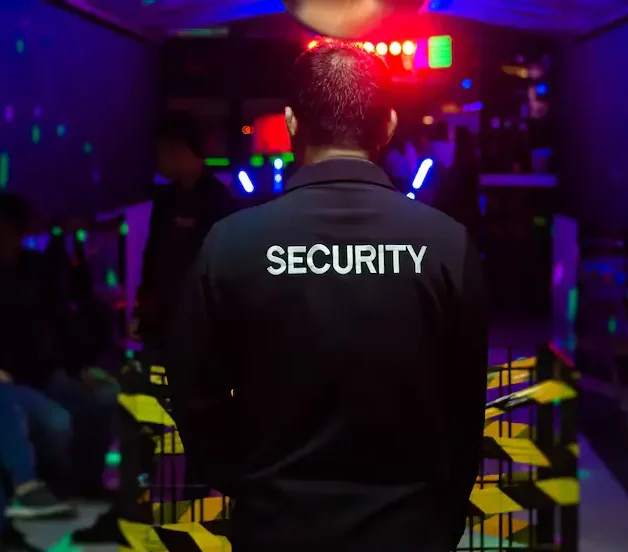
How Trainees Are Taught to Handle Emergencies
In the high-pressure landscape of the UK security sector, an emergency is not a theoretical possibility—it is an inevitability for which you must be rigorously prepared. SIA-accredited training is designed to transform the average security operative into a disciplined first responder, capable of managing chaos, protecting the vulnerable, and stabilizing a scene until professional emergency services arrive. The core of this training is built upon a transition from reactive instinct to procedural excellence, ensuring that when a crisis unfolds, the security professional acts as the anchor of stability, the voice of authority, and the primary conduit of vital information.
The Foundation: Immediate Assessment and Communication
The first sixty seconds of any emergency determine the ultimate outcome. Trainees are taught to bypass the natural human instinct to panic and instead perform a rapid, calculated dynamic risk assessment. You must immediately identify the nature of the threat: Is it a fire, a medical crisis, a violent incident, or a potential terror threat? This assessment process must be continuous, as the environment of an emergency is rarely static; a scene that appears safe one moment can become hazardous the next.
Odin Quality Security
Communication is your most powerful tool during this phase. Training emphasizes that you must act as the “eyes and ears” for the emergency services. You are taught how to provide clear, concise reports to your control room or the 999 operator. This includes reporting the METHANE protocol: Major incident, Exact location, Type of incident, Hazards present, Access routes, Number of casualties, and Emergency services required. By providing this information calmly, you ensure that the response teams arrive with the correct equipment and tactics. A well-constructed report can save crucial minutes and, in some cases, save lives.
First Aid and Medical Stabilization
Security officers are often the first on the scene of a medical emergency. Training typically includes the Emergency First Aid at Work (EFAW) qualification, which is mandatory for many licence-linked roles. You are taught how to perform initial triage using the DRABC (Danger, Response, Airway, Breathing, Circulation) model. Whether you are dealing with a cardiac arrest, a severe bleed, or a diabetic emergency, your role is to provide life-saving stabilization until paramedics take over. From October 2024, this training has been significantly enhanced to include explicit instruction on responding to life-threatening bleeding—such as the use of tourniquets and haemostatic dressings—and the critical importance of keeping airways open. This training also covers the correct use of Automated External Defibrillators (AEDs), which are increasingly common in public venues. Beyond the medical mechanics, you are taught how to manage the surrounding crowd—keeping them calm and ensuring medical staff have a clear, unimpeded path to the casualty.
All Time Security+ 2
Fire Safety and Evacuation Leadership
When a fire alarm sounds, the security operative becomes an immediate leader. Training covers the RACE (Rescue, Alarm, Contain, Evacuate) and PASS (Pull, Aim, Squeeze, Sweep) procedures. More importantly, you are taught the “human” side of evacuation. You learn how to direct crowds without triggering a stampede, how to check “dead zones” like restrooms and storage areas, and how to conduct a roll call at a designated assembly point. This leadership role is vital for preventing the disorientation and panic that often cause more harm than the hazard itself. You learn how to identify those with mobility issues and coordinate their safe exit, ensuring that no one is left behind in the event of a facility-wide threat.
Terror Threat Response: RUN, HIDE, TELL
Given the modern security landscape, training now includes explicit instruction on counter-terrorism, particularly through the Action Counters Terrorism (ACT) e-learning modules. Operatives are taught the government-endorsed “RUN, HIDE, TELL” strategy. In the event of an active threat, your priority is to facilitate the safe escape of the public (RUN), secure them in a safe area (HIDE), and then notify the authorities (TELL) once it is safe to do so. You are also trained to recognize suspicious behavior—such as individuals conducting “hostile reconnaissance”—and how to identify and report suspicious items without touching them. The training emphasizes the need for spatial awareness and the identification of secondary exits that can be used if primary routes are blocked.
Double Check Security Group
Incident Reporting and Scene Preservation
Finally, the “emergency” does not end when the police arrive; it transitions into a legal and investigative phase. Trainees are strictly instructed on the importance of scene preservation. You are responsible for sealing off the area, keeping witnesses together, and ensuring CCTV footage is secured before it is overwritten. Your subsequent incident report must be a gold-standard document. It must be factual, objective, and detailed, focusing on the “5Ws” (Who, What, Where, When, and Why) without adding personal opinions or assumptions. Under regulations like RIDDOR, this documentation is not just a company policy—it is a legal requirement that may ultimately determine the outcome of a criminal trial or an insurance investigation.
Developing Professional Resilience
Beyond the technical protocols, training focuses on psychological resilience. You are taught how to remain “task-focused” under stress, preventing the “tunnel vision” that often leads to errors. Trainers use scenarios and simulations—often called “Tabletop Exercises”—to place trainees in controlled, high-stress environments. By practicing these responses repeatedly, the actions become second nature. You are taught to manage your own physiological response to stress, using controlled breathing and prioritization to keep your mind clear.
Odin Quality Security
Ultimately, the goal of this training is to instill a mindset where you are not merely waiting for instructions, but are actively capable of taking the lead. A well-trained security professional understands that in the first few minutes of a crisis, they are the difference between a minor incident and a tragedy. By mastering these procedures, you fulfill your professional duties and provide the critical layer of safety that protects the public from harm. The security industry relies on your ability to remain the calmest person in the room when everything else is descending into chaos.
As you look toward your next shift, are there any site-specific emergency protocols—such as the location of the nearest AED, specific fire muster points, or the location of emergency “hide” rooms—that you feel you should double-check to ensure you are fully prepared to lead?