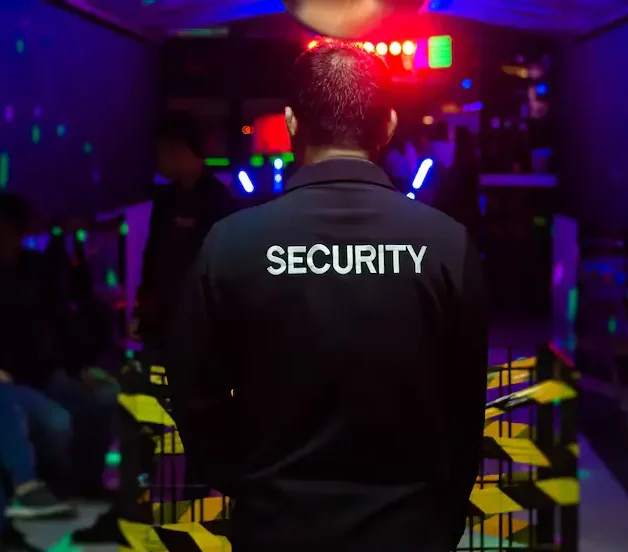
If you have ever walked into a nightclub, hotel, or large public event in the UK, you have almost certainly been greeted by a door supervisor. These professionals do far more than simply stand at the entrance and check IDs. They are trained security experts who keep venues safe, manage conflict, protect staff and customers, and ensure that licensed premises operate within the law.
Whether you are considering a career in security or you are a venue owner trying to understand what to expect from your security team, this guide covers everything you need to know. We will walk through every key responsibility a door supervisor holds, explain the training required to carry out those duties, and answer the most commonly asked questions about the role.
If you are based in London and looking to get qualified, enrolling in a door supervisor course in London is the first step toward a rewarding and in-demand career in the security industry.
1. Controlling Access to the Venue
The most visible responsibility of a door supervisor is managing who enters a venue. This is not just about turning people away if they are dressed inappropriately. It involves checking identification to confirm legal drinking age, verifying that guests are on an approved list for private events, and ensuring the venue does not exceed its legal capacity.
Controlling access also means identifying individuals who may have been banned from the venue due to previous incidents. A skilled door supervisor keeps an accurate mental or written record of known troublemakers and acts before problems even begin.
2. Conflict Management and Diffusion
One of the most critical skills a door supervisor must have is the ability to de-escalate tense situations before they turn physical. Alcohol, crowded spaces, and high emotions can create flashpoints quickly. A trained door supervisor is able to read body language, identify warning signs early, and step in with calm, assertive communication to reduce tension.
Conflict management is a major topic covered in any reputable door supervisor course in London. Students learn how to handle verbal aggression, manage groups, and keep the situation under control without resorting to force unless absolutely necessary.
3. Searching Individuals and Their Belongings
Door supervisors are legally authorised to conduct searches on individuals entering a venue, provided the person consents and a clear policy is in place. Searches help prevent weapons, illegal drugs, and other prohibited items from being brought onto the premises. This protects not only other customers but also the venue’s licence.
Search procedures must follow strict legal guidelines. Door supervisors must conduct same-gender searches wherever possible, explain what they are doing, and handle refusals professionally. Training courses teach students the correct search techniques and the legal boundaries they must not cross.
4. Removing Individuals from the Premises
When a person becomes a threat to themselves or others, a door supervisor may need to escort them off the premises. This must be done in a controlled, lawful manner. The use of force is only permitted when necessary, proportionate, and as a last resort.
During their training, door supervisors learn physical intervention techniques approved under UK law. They also learn how to document incidents correctly so that if legal action is required later, there is a clear record of what happened and why force was used.
5. Monitoring the Venue for Risks
Door supervisors do not only work at the entrance. They regularly patrol the entire venue, including dance floors, toilets, smoking areas, and car parks. The goal is to identify any safety risks, whether that is a spilled drink creating a hazard, an unconscious person needing medical attention, or suspicious behaviour that could indicate drug use or theft.
This responsibility requires constant vigilance and good communication with other team members. Many venues now use radio systems and CCTV so that the entire security team can work together as a coordinated unit rather than individuals working in isolation.
6. First Aid Response
Door supervisors are often the first on the scene when a medical emergency occurs. This could be anything from a person collapsing on the dance floor to a serious injury following a fight. Because of this, first aid training is a core component of the door supervisor licence qualification.
A door supervisor needs to know how to perform CPR, place someone in the recovery position, manage a casualty who is unconscious or unresponsive, and liaise with paramedics when they arrive. Being able to act quickly and correctly in a medical emergency can genuinely save lives.
7. Supporting the Licensing Laws of the Venue
Pubs, nightclubs, and entertainment venues operate under strict licences issued by local authorities. Door supervisors play an active role in ensuring that the venue complies with those conditions. This includes enforcing age restriction policies, preventing drunk and disorderly behaviour, and ensuring the venue closes at the correct time.
A venue that repeatedly breaches its licence conditions can lose its licence entirely, which is catastrophic for any business. Door supervisors help protect not just the customers but the entire venue operation.
8. Report Writing and Incident Documentation
Every significant incident that occurs at a venue must be documented. Door supervisors are responsible for writing clear, accurate reports that describe what happened, who was involved, what actions were taken, and when each event occurred.
Good report writing matters for legal reasons. If a case goes to court, the door supervisor’s report may be used as evidence. Reports also help management understand patterns of behaviour and improve safety planning for future events.
9. Working with Police and Emergency Services
Door supervisors regularly interact with police officers and emergency services, particularly in busy urban venues. They must be able to communicate clearly, hand over suspects safely, and provide accurate witness accounts when needed.
Building a good working relationship with local police is also valuable for overall safety planning. Many door supervisors in London work in areas where police presence is regular, and a professional, cooperative attitude makes everyone’s job easier and keeps the public safer.
10. Customer Service and Public Relations
Although security is the primary function, door supervisors are also ambassadors for the venue. They are often the first person a customer speaks to. A professional, polite, and friendly approach makes a positive first impression and sets the tone for the entire customer experience.
Handling complaints, giving directions, helping lost customers, and assisting vulnerable individuals are all part of the job. The best door supervisors understand that customer service and security go hand in hand. You do not have to be aggressive to be effective.
Why Professional Training Is Essential
To work as a door supervisor in the UK, you must hold a valid SIA (Security Industry Authority) licence. To obtain this licence, you must complete an approved training qualification. In London, there are many high-quality training providers offering this qualification, but not all courses are equal in terms of content, delivery, or pass rates.
Enrolling in a professional door supervisor course in London gives you access to expert trainers, structured learning materials, practical scenario exercises, and support with your SIA licence application. The right course prepares you not just to pass an exam but to handle real-world security situations with confidence.
The qualification covers topics including:
- The role and responsibilities of a door supervisor
- Conflict management and communication skills
- Physical intervention and use of force
- Searching procedures and legal powers
- First aid at work
- Licensing law and how it applies to venues
- Drugs awareness and crime scene preservation
- Equality, diversity, and working with the public
London is one of the busiest cities in the world for nightlife, events, and hospitality venues. Demand for qualified door supervisors remains consistently high, and completing your training opens the door to work in some of the most exciting venues in the country.
How to Get Started with Your Door Supervisor Career
Getting started is simpler than many people think. Here is a straightforward path to follow:
- Research approved training providers in London and compare course content, dates, and fees.
- Enrol in a door supervisor course that covers the full SIA-approved Level 2 Award.
- Complete your training, pass your exams, and obtain your first aid certificate.
- Apply for your SIA licence through the official government portal.
- Once your licence arrives, you can legally work as a door supervisor across the UK.
Many providers offer flexible scheduling, including weekend and evening classes, to make it possible to study even if you are currently working. Some courses can be completed in as little as a few weeks, so you could be working in security sooner than you think.
Frequently Asked Questions (FAQs)
Below are the ten most commonly asked questions about door supervisors and training in London. These are written to give you clear, direct answers that are easy to understand.
Q1: What qualifications do I need to become a door supervisor in the UK?
To legally work as a door supervisor in the UK, you must hold an SIA (Security Industry Authority) licence. To qualify for this licence, you need to complete a Level 2 Award for Door Supervisors, which is an Ofqual-regulated qualification. The course covers conflict management, physical intervention, first aid, searching, and licensing law. Once you pass, you apply to the SIA for your licence. Without this licence, it is illegal to work in a door supervisor role at a licensed venue.
Q2: How long does a door supervisor course in London take?
The duration of a door supervisor course in London can vary depending on the training provider and how the sessions are scheduled. Most full courses take between four and six weeks when attended on a part-time basis. Some intensive programmes can be completed in a shorter period. The course includes both classroom-based learning and practical sessions, so attendance at in-person training days is essential. Be cautious of any provider claiming the full qualification can be done entirely online.
Q3: Do I need any previous experience to enrol in a door supervisor course?
No, previous security experience is not required to enrol in a door supervisor course. The training is designed to take complete beginners and give them all the knowledge and practical skills they need to work in the industry. However, you must be aged 18 or over, have the right to work in the UK, and be able to pass a criminal record check. Some prior life experience in customer-facing roles can be helpful but is not a requirement.
Q4: What is the difference between a door supervisor and a security guard?
Both roles are regulated by the SIA, but they require different licences and training. A security guard typically works in retail, corporate, or static guarding environments. A door supervisor is specifically trained and licenced to work on the doors of licensed premises such as nightclubs, bars, and events. Door supervisors receive additional training in conflict management, physical intervention, and licensing law that goes beyond the standard security guard qualification. If you want to work at venues, you need the door supervisor licence specifically.
Q5: How much can a door supervisor earn in London?
Salaries for door supervisors in London are generally higher than in other parts of the UK, reflecting the higher cost of living and the demand for experienced security professionals. Entry-level door supervisors can expect to earn between £12 and £15 per hour. With experience, specialist skills, or supervisory responsibilities, earnings can rise to £18 or more per hour. Many door supervisors work on a flexible or self-employed basis, which gives them control over how many shifts they take on each week.
Q6: Is the door supervisor course available online?
Some elements of the course, such as pre-reading and theory revision, may be available online. However, the full SIA-approved qualification requires in-person attendance for the practical components, including physical intervention training and first aid. Any training provider claiming to offer a fully online door supervisor qualification should be treated with caution, as this would not meet SIA requirements. Look for accredited providers that offer a blend of online theory and face-to-face practical sessions in London.
Q7: Can women become door supervisors?
Absolutely. Women are increasingly working as door supervisors and are a valuable part of the security industry. Female door supervisors are often preferred for certain venues and events because they are required to conduct searches on female guests. Training courses welcome candidates of all genders, and the qualification is the same for everyone. Physical strength is less important than communication skills, good judgment, and the ability to remain calm under pressure, qualities that anyone can develop through proper training.
Q8: What happens if I fail part of the door supervisor course?
Most training providers allow students to resit individual units that they do not pass on the first attempt. You are not required to repeat the entire course if you only fail one section. The number of resit opportunities and any associated fees will depend on your specific training provider, so it is worth asking about their resit policy before you enrol. With good preparation and attendance, the majority of students pass all units on their first attempt.
Q9: How long is the SIA door supervisor licence valid?
The SIA door supervisor licence is valid for three years from the date of issue. Before your licence expires, you will need to apply for a renewal. To renew, you typically need to demonstrate that you have kept your first aid qualification current, as this must be renewed every three years. The SIA renewal process requires you to apply online and pay the renewal fee. It is important to begin the renewal process well in advance of your expiry date so that there is no gap in your ability to work legally.
Q10: Why should I choose a door supervisor course in London specifically?
London offers several advantages when it comes to door supervisor training. The city has a high concentration of approved training providers, giving you more choice in terms of course schedules, prices, and learning environments. London-based courses also tend to attract trainers with real experience working in busy urban venues, which means your practical training reflects the actual challenges you will face on the job. Additionally, completing your training in London means you are already positioned in one of the highest-demand markets for qualified security professionals in the country.
Conclusion
The role of a door supervisor is far more complex and demanding than many people initially realise. From controlling access and managing conflict to providing first aid and supporting the licensing laws of a venue, a door supervisor must be prepared for a wide range of situations at any given moment.
What makes the best door supervisors stand out is not just physical presence but a combination of excellent communication skills, calm under pressure, good judgment, and a genuine commitment to keeping people safe. These are qualities that can be developed and refined through quality training.
If you are ready to take the first step toward a career in security, explore a door supervisor course in London with an approved provider that gives you the knowledge, the skills, and the confidence to succeed. London is one of the best cities in the world to build a career in security, and it all starts with the right qualification.
Take the next step today and get started on your journey to becoming a professional door supervisor.