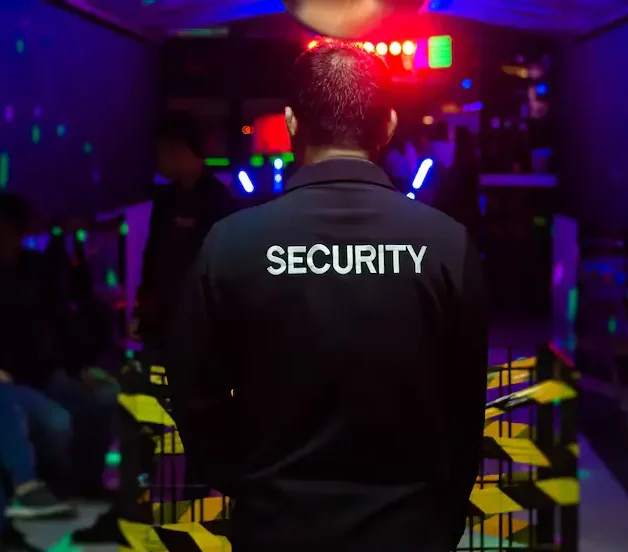

Working the door at a busy nightclub, bar, or event venue is rarely predictable. One moment everything is calm, and the next a disagreement at the entrance has turned into something that needs immediate, controlled action. This is exactly why physical intervention training sits at the heart of every SIA-approved Door Supervisor course. It is not an optional add-on or a box-ticking exercise. It is the part of the qualification that prepares door staff to protect themselves, the public, and the venue, while staying firmly within the law.
In this article, we break down what physical intervention training actually involves, why the Security Industry Authority (SIA) made it a mandatory part of the Door Supervisor qualification, and what it means for anyone planning to start a career in security. If you are based in the capital and searching for a door supervisor course in London, understanding this module properly will help you choose the right training provider and walk into your course with confidence.
What Is Physical Intervention Training?
Physical intervention training is a structured, hands-on module that teaches door supervisors how to manage physically aggressive or non-compliant individuals safely and lawfully. It is not about fighting, restraining people aggressively, or “winning” a confrontation. Instead, it focuses on de-escalation first, and only uses physical skills as a last resort when verbal techniques have failed and there is a genuine risk to safety.
The module is formally known as Unit 4: Physical Intervention Skills within the Level 2 Award for Door Supervisors, and it is delivered alongside the conflict management unit so that learners understand both the verbal and physical sides of handling difficult situations. Core areas typically covered include:
- Non-aggressive stance and positioning to reduce risk before contact is even necessary
- Breakaway techniques to release yourself safely from grabs, holds, or aggressive contact
- Escort techniques for guiding a person away from an area with minimal force
- Standing and escorted restraint methods used only when there is a clear and present risk
- Safe ground management if a situation results in someone being taken to the floor
- Legal awareness covering reasonable force, the Criminal Law Act 1967, and the SIA Code of Conduct
- Recording and reporting procedures for any incident involving physical contact
Every technique taught is designed to minimise injury to both the door supervisor and the member of the public involved, and all training must follow the SIA-approved syllabus, delivered by instructors holding the relevant Level 3 Physical Intervention Trainer qualification.
Why This Training Is Essential, Not Optional
1. It Is a Legal Requirement for SIA Licensing
Since the Security Industry Skills and Qualifications Review, the SIA made physical intervention skills a mandatory unit within the Door Supervisor qualification. Without successfully completing this unit and passing the practical assessment, a candidate cannot be awarded the full Level 2 qualification, and therefore cannot apply for an SIA Door Supervisor Licence. There is no way around this requirement, whether someone is training for the first time or completing a Top-Up course to renew an existing licence.
2. Real Confrontations Happen, and Untrained Reactions Are Dangerous
Licensed venues are, by nature, higher-risk environments. Alcohol, large crowds, and high emotions can combine quickly into situations that escalate within seconds. A door supervisor who has not been properly trained may freeze, overreact, or use unsafe force, putting themselves, colleagues, and the public at risk. Structured training builds muscle memory through repeated practice, so the correct response becomes instinctive under pressure rather than something the door supervisor has to think through in the moment.
3. It Protects Door Supervisors from Legal and Financial Consequences
Using excessive or unlawful force can expose a door supervisor to criminal charges, civil claims, and the loss of their SIA licence. Physical intervention training teaches the legal concept of reasonable force in detail, so door supervisors understand exactly what level of physical contact is justifiable in a given situation, and just as importantly, when physical contact should be avoided altogether. This legal grounding is just as valuable as the physical techniques themselves.
4. It Reduces Injury Risk on Both Sides
A common misconception is that this training is about overpowering people. In reality, the techniques taught are specifically designed to be non-aggressive and pain-compliant only where absolutely necessary, with the primary goal of controlling a situation while reducing the chance of injury to everyone involved. This includes safe ways to release yourself from a grab, redirect a person’s movement, or bring a situation to the ground safely if it cannot be avoided.
5. It Builds Confidence and Professionalism
Door supervisors who have trained properly tend to project calm authority. This alone can prevent a situation from escalating in the first place, because people are less likely to test someone who appears composed, alert, and in control. Confidence built through realistic, supervised practice translates directly into better decision-making on a real shift.
6. It Keeps Skills Current Through Mandatory Refresher Training
Physical intervention is not a one-time skill. Every door supervisor renewing their SIA licence must complete a Top-Up course, which includes a refreshed physical intervention module. This ensures techniques stay aligned with the latest SIA Specification for Learning and Qualifications, and that door supervisors do not fall back into bad habits or outdated methods over time.
How Physical Intervention Fits Into the Wider Door Supervisor Qualification
It helps to see physical intervention training in context rather than as a standalone topic. The Level 2 Award for Door Supervisors is built around several connected units: working in the private security industry, working specifically as a door supervisor, conflict management, physical intervention, and emergency procedures including first aid. Each unit builds on the last. Conflict management teaches learners how to read body language, communicate clearly, and calm a situation down using words and positioning alone. Physical intervention picks up exactly where conflict management leaves off, covering what to do if those verbal techniques do not work and a person becomes physically aggressive or refuses to leave.
This sequencing is deliberate. The SIA does not want door supervisors reaching for physical techniques as a first response. Instead, the qualification is structured so that physical intervention is always framed as a last resort, used only once de-escalation has genuinely failed and there is a real risk to someone’s safety. Understanding this relationship between the units helps explain why physical intervention training carries so much weight within the overall course, even though it is only one unit among several.
What a Good Physical Intervention Lesson Looks Like in Practice
On a well-run door supervisor course, the physical intervention unit usually begins with a demonstration. The instructor will walk through a technique slowly, step by step, explaining the reasoning behind each movement and the legal context that governs when it can be used. Learners then practise the technique in pairs or small groups, with the instructor moving around the room correcting posture, grip, and positioning.
Repetition is central to this process. A technique that looks straightforward when demonstrated once can feel awkward and difficult the first few times a learner tries it themselves. Practising the same movement repeatedly, with feedback each time, is what turns a technique from something theoretical into something a door supervisor can perform reliably under pressure. By the end of the unit, learners are expected to demonstrate each core technique to a set standard, and this is formally assessed by the instructor as part of the practical assessment.
Scenario-based practice is also common. Rather than practising techniques in isolation, many training providers build short role-play scenarios, such as a person refusing to leave after being asked, so learners can practise the full sequence: approaching calmly, using verbal de-escalation, and only moving into a physical technique if the situation genuinely requires it. This approach mirrors what door supervisors will actually face on a real shift far more closely than drilling techniques on their own.
What This Means If You Are Training in London
London’s nightlife and events sector is one of the busiest and most demanding security environments in the UK, covering everything from West End bars to large-scale events at major arenas. This makes thorough, high-quality physical intervention training even more important for anyone taking a door supervisor course in London, since the volume and intensity of real-world situations tends to be higher than in quieter regions.
When choosing a training provider, it is worth checking that the physical intervention unit is delivered by an instructor holding a current Level 3 Physical Intervention Trainer qualification, that class sizes are small enough for proper individual coaching, and that the techniques taught reflect the current SIA-approved framework rather than an outdated syllabus. A provider that takes this module seriously is generally a strong indicator of overall course quality, since instructors who understand the subject well tend to teach the rest of the course just as thoroughly.
It is also worth asking a prospective training provider how their physical intervention assessment works in practice. Reputable providers are usually happy to explain the format, how many attempts are allowed if a learner does not pass first time, and how they support learners who find a particular technique challenging. A provider that answers these questions clearly and confidently is generally one that takes the standard of its training seriously.
Frequently Asked Questions
Is physical intervention training compulsory for all door supervisors in the UK?
Yes. The SIA requires every candidate completing a Door Supervisor course to pass the physical intervention unit before they can be awarded the Level 2 qualification needed to apply for a licence. This applies to first-time learners and to experienced door supervisors completing Top-Up training to renew their licence.
What does physical intervention training actually involve?
It covers non-aggressive stance and positioning, breakaway techniques, escort and restraint methods, safe ground management, and the legal framework around reasonable force. Training is hands-on and practised repeatedly under supervision until the learner can demonstrate each technique safely and correctly.
Is physical intervention training the same as self-defence or martial arts?
No. Physical intervention is built around proportionate, controlled responses designed to manage a situation safely and lawfully, not to overpower or harm someone. The focus is on de-escalation first, with physical techniques used only when genuinely necessary and always within the limits of reasonable force.
How long does the physical intervention module take to complete?
It typically takes one to two days as part of a wider four to six day Door Supervisor course, although exact timings vary between training providers. The module includes both demonstration of techniques by the instructor and supervised practice by each learner.
Do I need to be physically fit to pass the physical intervention unit?
You do not need to be an athlete, but you should be reasonably mobile, able to stand for extended periods, and free from injuries that could be aggravated by physical practice. Most training providers ask candidates to declare any relevant medical conditions before the course begins, so the instructor can adapt where needed.
What happens if I fail the physical intervention assessment?
Most training providers offer a resit opportunity, often at no extra cost the first time, since this is a practical, skills-based assessment rather than a written exam. Your instructor will usually identify exactly which technique needs more practice and give you another chance to demonstrate it correctly.
Does physical intervention training need to be renewed?
Yes. When your SIA Door Supervisor Licence comes up for renewal every three years, you are required to complete a Door Supervisor Top-Up course, which includes a refreshed physical intervention module. This keeps your skills current and aligned with any updates to the SIA framework.
Can a door supervisor use any level of force during an incident?
No. Door supervisors are legally restricted to using only reasonable force, meaning the minimum level of physical intervention necessary to manage the situation and keep people safe. Physical intervention training spends significant time explaining this legal boundary so door supervisors understand exactly what is and is not permitted.
Who is qualified to deliver physical intervention training?
Only instructors holding a Level 3 Award for Physical Intervention Trainers, along with a valid physical intervention licence, are permitted to deliver this unit on an SIA Door Supervisor course. When researching a door supervisor course in London, it is worth confirming that the provider’s trainers hold this qualification.
Why is physical intervention training particularly important for door supervisors working in London?
London’s high-volume nightlife, large events, and busy licensed venues mean door supervisors are statistically more likely to encounter situations requiring conflict management or physical intervention than in many other parts of the UK. Choosing a thorough door supervisor course in London with strong physical intervention training is an important step toward working safely and confidently in this environment.
Final Thoughts
Physical intervention training is not just another unit to get through on the way to an SIA licence. It is the part of the Door Supervisor qualification that directly protects lives, reduces legal risk, and builds the confidence needed to handle real situations on a busy door. Anyone serious about a long-term career in security should treat this module as one of the most valuable parts of their training, not a hurdle to clear.
If you are ready to start your journey, choosing a reputable, SIA-approved door supervisor course in London with experienced, properly qualified instructors will give you the strongest possible foundation for a safe and successful career.
Learn more and book your course here: https://www.betrain.co.uk/door-supervisor-course/