Do Criminal Records Automatically Disqualify You?
This is one of the most common worries people have before signing up for a door supervisor course in London. Many assume that having any kind of criminal record automatically rules them out of a career in security, but the reality is more nuanced than that. This guide explains how the SIA actually assesses applications, what factors matter, and what you should know before investing time and money into training.
The Short Answer
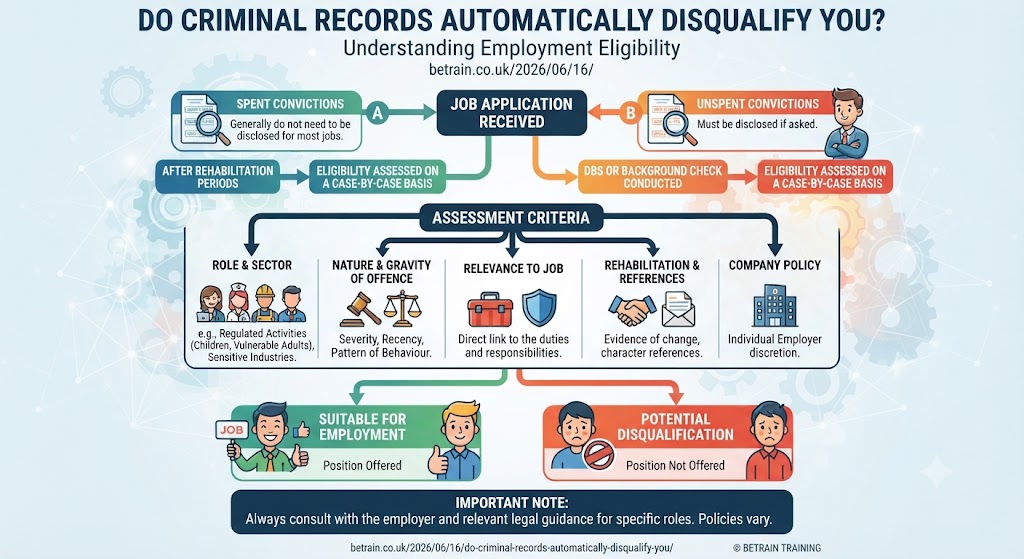
No, a criminal record does not automatically disqualify you from becoming a licensed door supervisor. The Security Industry Authority (SIA) assesses each application individually, looking at the specific circumstances of any offences rather than applying a blanket ban to everyone with a record.
That said, certain types of offences, particularly serious or recent ones, are more likely to affect your eligibility than others. Understanding how this assessment works can help you set realistic expectations before you commit to a door supervisor course in London.
Why the SIA Doesn’t Use a Blanket Ban
The security industry deliberately avoids an automatic, one-size-fits-all approach to criminal records for good reason. People change over time, circumstances vary hugely between cases, and a single past mistake doesn’t necessarily reflect someone’s character or reliability years later.
Instead, the SIA looks at a combination of factors when reviewing an application, allowing them to make a fair, case-by-case decision rather than excluding people unnecessarily.
What Factors Does the SIA Consider?
When reviewing your background as part of an SIA licence application, several things are taken into account:
The Type of Offence
Some offences are considered more relevant to security work than others. For example, offences involving violence, dishonesty, or abuse of trust are treated more seriously than minor, unrelated offences, since they relate more directly to the responsibilities of a door supervisor role.
How Long Ago It Happened
Time matters. An offence from many years ago is generally viewed differently to something more recent. The SIA takes into account how much time has passed since the offence and whether there’s a clear pattern of good conduct since then.
Whether There’s a Pattern of Repeated Offences
A single, isolated incident is usually viewed differently to a pattern of repeated offending. Multiple offences, especially of a similar nature, may raise more concern than one standalone event from the past.
The Severity of the Offence
More serious offences, particularly those involving violence, weapons, or significant harm to others, carry more weight in the assessment than lower-level offences.
Relevance to the Role
Since door supervisors are responsible for public safety and often placed in positions of trust, offences that relate directly to these responsibilities, such as violent conduct or dishonesty, are scrutinised more closely than offences unrelated to the nature of the work.
Types of Offences That May Cause More Concern
While every case is assessed individually, certain categories of offence are more likely to affect your eligibility, including:
- Violent offences
- Sexual offences
- Offences involving weapons
- Serious dishonesty offences, such as fraud
- Repeated or serious drug-related offences
This doesn’t mean an automatic rejection in every case, but these types of offences are more likely to require closer scrutiny during the application process.
Types of Offences Less Likely to Cause Major Issues
On the other hand, minor, historic, or unrelated offences are less likely to significantly impact your application, particularly if:
- The offence happened many years ago
- It was a one-off incident
- There’s no pattern of repeated offending
- The nature of the offence has little relevance to security work
Again, there’s no guaranteed outcome without going through the formal application process, but understanding this general pattern can help you approach the process with realistic expectations.
What About Spent Convictions?
Under UK law, some convictions become “spent” after a certain period of good behaviour, meaning they generally don’t need to be disclosed for most job applications. However, SIA licensing operates under different rules, since it falls under roles where more detailed disclosure is required due to the nature of the work.
This means that even spent convictions may still be considered as part of your SIA application. If you’re unsure how a spent conviction might affect your eligibility, it’s worth checking the SIA’s official guidance directly before enrolling in a door supervisor course in London.
Can You Check Your Eligibility Before Booking a Course?
The SIA doesn’t typically offer a formal pre-check before you submit a full licence application. However, if you have genuine concerns about a past offence, there are a few sensible steps you can take before committing financially to training:
- Review official SIA guidance on criminal record relevance, available through their website
- Request your own criminal record information through official channels, so you fully understand what’s on file
- Seek advice if you’re uncertain, rather than assuming the worst or best-case outcome without checking
Taking these steps first can help you make a more informed decision before spending money on a course.
Why This Matters Before You Start Training
Since a door supervisor course in London requires a financial and time investment, it’s understandable to want some reassurance before committing. While there’s no way to guarantee approval in advance, being realistic about your own background, and doing some research beforehand, can help you avoid unnecessary disappointment later in the process.
If you do have concerns, it’s often better to investigate this early rather than complete a full course and only discover potential issues once you reach the licensing stage.
What Happens If Your Application Is Refused?
If your SIA licence application is refused due to your criminal record, you’ll usually be given a reason for the decision. Depending on the circumstances, there may be an appeals process available, though this varies based on the specific situation.
It’s worth noting that a refusal at this stage doesn’t necessarily mean it will always be the case. Circumstances change over time, and if enough time passes with no further offences, a future application may be assessed differently.
Common Misunderstandings About Criminal Records and Security Work
“Any criminal record means I can’t work in security.”
This isn’t true. As explained above, many people with past minor or historic offences successfully hold SIA licences.
“If my conviction is spent, it doesn’t matter.”
Not necessarily, since SIA licensing has its own disclosure rules that differ from general employment law.
“I don’t need to disclose anything if I wasn’t asked directly.”
Honesty throughout the application process is essential. Attempting to hide information can cause far bigger problems than the original offence itself, including potential rejection based on dishonesty rather than the offence.
“One offence years ago will definitely stop me.”
Again, this depends entirely on the nature of the offence and how long ago it occurred. Many people successfully gain their licence despite having some form of criminal history.
How to Approach the Process If You Have a Record
If you’re considering a door supervisor course in London and have some concerns about your background, here’s a sensible approach:
- Research the SIA’s official guidance on criminal record relevance before booking a course
- Be completely honest throughout the entire application process
- Gather any relevant context or documentation, such as evidence of rehabilitation, if applicable
- Apply directly once you’ve completed your course, rather than assuming an outcome without going through the formal process
- Understand that circumstances can change, meaning a refusal now doesn’t necessarily mean a permanent barrier for the future
Final Thoughts
Having a criminal record doesn’t automatically disqualify you from becoming a licensed door supervisor. The SIA takes a case-by-case approach, weighing up factors like the type of offence, how long ago it happened, and its relevance to security work, rather than applying a blanket exclusion. That said, more serious or recent offences are more likely to affect your eligibility, so it’s worth understanding your own situation honestly before committing to a door supervisor course in London. Being transparent throughout the process, doing your research in advance, and setting realistic expectations will help you approach your application with confidence, whatever your background.