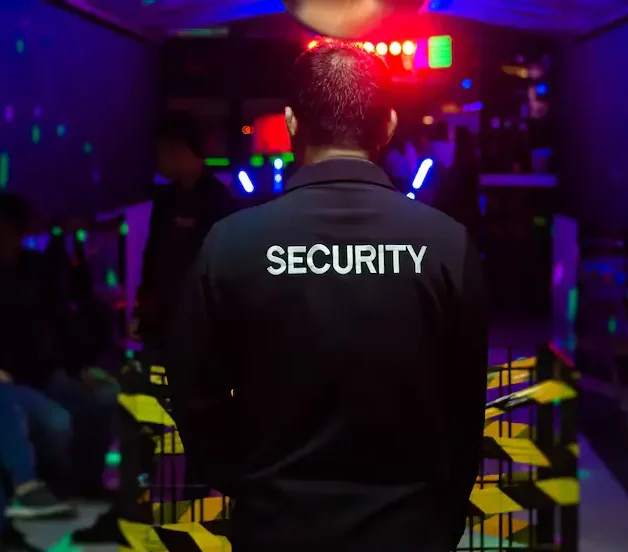

A Student’s Guide to Entering the Security Industry
If you’re a student in London looking for flexible work that pays well and fits around your studies, the security industry is worth a serious look. Many students choose to start with a door supervisor course in London, since it opens the door to part-time and weekend jobs that don’t clash with lectures or coursework. This guide explains everything a student needs to know before getting started, from the basics of the course to building a long-term career in security.
Why Students Choose the Security Industry
Security work has become popular among students for a few clear reasons.
Flexible Hours
Most security jobs, especially door supervisor roles, are based around evenings, nights, and weekends. This fits naturally around a typical university timetable, which usually leaves days free but has classes spread across the week.
Good Pay for Part-Time Work
Door supervisor roles often pay more per hour than typical student jobs like retail or hospitality. Rates can vary depending on the venue and location, but security work in London generally offers competitive pay, especially for late-night or weekend shifts.
A Real, Transferable Qualification
Unlike some part-time jobs, the SIA licence you earn from a door supervisor course in London is a recognised national qualification. It doesn’t expire after a few months and can be used to find work anywhere in England, Scotland, or Wales, not just in London.
A Path Beyond Just One Job
Security work can lead to other opportunities, such as event stewarding, close protection (bodyguard) work, CCTV operation, or even a long-term career in the wider security and risk management field.
What the Course Actually Involves
Before enrolling, it helps to know what you’re signing up for. A typical door supervisor course covers:
- Working in the private security industry – laws, responsibilities, and professional conduct
- Conflict management – how to calm situations down and avoid confrontation
- Physical intervention – safe methods to manage physical situations if needed
- Licensing law – rules for venues that serve alcohol
- Emergency first aid at work – basic first aid skills, usually included in the course package
The course generally runs across four to six days, adding up to around 30 to 38 hours of training. At the end, you’ll sit a series of multiple-choice exams to test your understanding.
Fitting the Course Around Your Studies
One of the biggest questions students have is how to fit training into a busy semester. The good news is that many training providers in London understand this and offer:
- Weekend courses, spread across two or three consecutive weekends
- Holiday intensives, condensed into consecutive days during semester breaks
- Evening options, though these are less common and vary by provider
If you’re planning around exams or coursework deadlines, it’s worth booking your course during a quieter period, such as the summer break or reading week, so you can focus fully without added stress.
How Much Does It Cost?
Course fees for a door supervisor course in London usually range between £200 and £350, depending on the provider and what’s included, such as first aid training. As a student, this might feel like a big upfront cost, but it’s worth thinking of it as an investment. Many students recover the cost within their first few shifts, since door supervisor pay is often higher than typical student jobs.
Some providers offer student discounts, so it’s always worth asking directly, even if it isn’t advertised.
What Happens After the Course
Passing your course exams is only the first step. To legally work as a door supervisor, you’ll need to apply for an SIA licence. This involves:
- Completing an online application through the SIA website
- Paying the licence application fee
- Providing proof of identity and right to work in the UK
- Passing a criminal record check carried out by the SIA
This process usually takes a few weeks, so it’s a good idea to apply as soon as you receive your course certificate rather than waiting until you need the licence urgently.
Choosing the Right Training Provider as a Student
With so many training providers across London, it helps to compare a few before committing. Here’s what to look at:
SIA Approval
This is essential. If the course isn’t approved by the SIA, your certificate won’t count towards a licence application. Always double check before paying.
Location and Transport
As a student, you’ll want a training venue that’s easy to reach, ideally close to your university or somewhere on your regular commute. London’s extensive transport network makes most areas reachable, but it’s worth checking journey times before booking.
Class Times That Suit You
Confirm the exact schedule and make sure it doesn’t clash with lectures, seminars, or exam periods.
Reviews From Other Students
Look for feedback from people who’ve already completed the course, especially other students. They can offer useful insight into how manageable the course felt alongside study commitments.
Support Finding Work Afterwards
Some providers offer help connecting new graduates with local security companies or venues that are actively hiring. This can be especially useful if you’re new to the industry and don’t know where to start looking for shifts.
Balancing Security Work With Studies
Once you’re licensed and working, managing your time well becomes important. Here are a few tips that help students juggle both successfully:
- Be realistic about your hours. It can be tempting to take every shift offered, but overworking can affect your studies. Set a limit that works for you.
- Plan around exam periods. Let your employer know in advance if you need reduced hours during exams or coursework deadlines.
- Use quieter shifts wisely. Some door supervisor roles, especially at quieter venues, can allow short breaks where you might get a chance to review notes.
- Stay consistent. Regular availability, even if it’s just weekends, makes you more reliable and valuable to employers.
Building Skills That Go Beyond the Job
Working as a door supervisor teaches more than just security skills. Students often find it helps build:
- Communication skills – dealing with a wide range of people calmly and clearly
- Confidence – handling difficult situations professionally
- Time management – balancing shifts with coursework and deadlines
- Teamwork – working closely with colleagues, especially during busy events
These are skills that look good on a CV, regardless of what career path you choose after graduating.
Long-Term Career Options
For students who enjoy the work, the security industry offers a genuine long-term career path, not just a temporary job. After gaining experience as a door supervisor, some people go on to:
- Take a close protection course, moving into bodyguard or VIP security work
- Train as a CCTV operator, working in control rooms rather than on the ground
- Move into event security management, overseeing teams at large venues or festivals
- Progress into corporate security roles, protecting offices, buildings, and staff
Even for students who don’t plan to stay in security long-term, the experience and qualification can be a useful stepping stone, especially for those interested in criminology, law, or public safety careers.
Common Questions Students Ask
Do I need any experience before starting the course?
No. The course is designed for complete beginners and assumes no prior security experience.
Is there an age requirement?
Yes, you generally need to be at least 18 years old to apply for an SIA licence.
Can international students take the course?
This depends on visa conditions. It’s important to check your visa’s work restrictions before committing to a course, since some student visas limit part-time working hours.
How physically demanding is the training?
The physical intervention sessions involve movement and controlled practice with other trainees, but they are taught step by step and don’t require existing fitness levels.
Final Thoughts
For students in London looking for flexible, well-paid work, a door supervisor course in London can be an excellent starting point. It offers a genuine qualification, decent pay, and hours that fit around study commitments, all while building skills that carry over into almost any future career.
The key is choosing a properly SIA-approved provider, planning your training around your academic schedule, and staying realistic about how many hours you take on once you start working. With the right approach, security work can be far more than just a part-time job. It can be the beginning of a long-term career path that starts while you’re still studying.