Stratford Training Options Worth Considering
Stratford is one of the busiest parts of East London. It has big shopping centres, event venues, and a fast-growing nightlife scene. Because of this, there is a strong demand for trained security staff. If you are thinking about starting a career in the security industry, taking a door supervisor course in London is a smart first step. This guide will explain what the course involves, why Stratford is a good place to train, and how to choose the right training provider.
What Is a Door Supervisor Course?
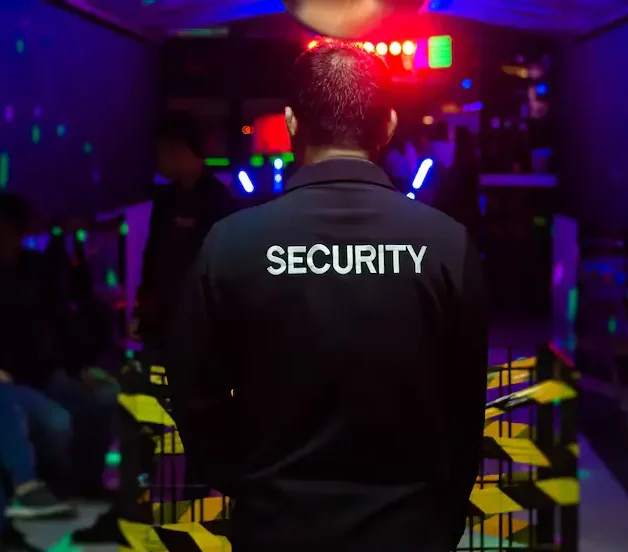
A door supervisor course teaches people the skills needed to work safely and legally at pubs, clubs, events, shops, and other public venues. Door supervisors are the staff who check IDs, manage entry, deal with conflict, and keep everyone safe.
In the UK, anyone who wants to work as a door supervisor must hold an SIA (Security Industry Authority) licence. To get this licence, you must first complete an approved training course. Without this qualification, you cannot legally work as a door supervisor anywhere in England, Scotland, or Wales.
The course usually covers:
- Basic security work knowledge
- Working in the private security industry
- Conflict management
- Physical intervention skills
- Licensing law (for premises that sell alcohol)
- First aid basics (in most course packages)
Most door supervisor course in London programmes take between four and six days to complete, followed by a set of exams.
Why Choose a Course in Stratford?
Stratford has become a popular training hub in London for several reasons.
1. Excellent Transport Links
Stratford station is one of the best-connected stations in London. It has the Jubilee line, Central line, Elizabeth line, DLR, and Overground services, plus National Rail connections. This makes it easy for people from all across London, Essex, and even Kent to reach training centres without a long journey.
2. Lower Costs Compared to Central London
Training venues in Zone 1 areas like Westminster or the City often charge more because of higher rent. Stratford, being in Zone 3, tends to offer more affordable course prices while still being close to central London.
3. Growing Job Market
Stratford is home to Westfield Stratford City, one of the largest shopping centres in Europe. It also has the London Stadium, various music venues, and a growing number of bars and restaurants. All of these places need licensed door supervisors, which means local job opportunities are strong once you finish training.
4. Modern Training Facilities
Many training centres in and around Stratford have been set up recently, meaning classrooms often have modern equipment, comfortable seating, and good facilities for the practical parts of the course, such as physical intervention training.
What You Will Learn on the Course
Let’s break down the main units of a typical door supervisor course in London in simple terms.
Working in the Private Security Industry
This unit explains the laws around private security work, the role of the SIA, and what is expected of you as a professional. You will learn about health and safety rules, how to report incidents, and how to behave professionally on the job.
Conflict Management
This is one of the most important parts of the course. You will learn how to spot early signs of trouble, how to calm people down using communication skills, and how to avoid situations turning violent. Trainers often use real-life examples and role-play exercises so you can practise these skills before using them in a real job.
Physical Intervention
Sometimes, despite your best efforts, a situation may require physical intervention. This part of the course teaches safe methods to restrain or remove someone without causing unnecessary harm. Safety for both the supervisor and the public is always the main focus.
Licensing Law
Since many door supervisors work at venues that sell alcohol, you need to understand licensing law. This includes rules about serving alcohol, checking ID, and what counts as an offence under UK law.
First Aid (Emergency First Aid at Work)
Most course packages include a short first aid qualification. This teaches basic skills like how to respond to injuries, use a defibrillator, and help someone who is choking or unconscious.
How Long Does the Course Take?
Most courses run for about 30 to 38 hours of training, spread across four to six days. Some training centres offer:
- Weekday courses – ideal for people who are not currently working
- Weekend courses – good for people with a job who can only train on Saturdays and Sundays
- Evening courses – less common, but available at some centres for people with daytime commitments
After the training, you will need to pass a series of multiple-choice exams. These are not designed to be overly difficult, but they do require you to understand the material properly, so attending every session and taking notes is important.
How Much Does It Cost?
Prices for a door supervisor course in London can vary depending on the provider, but you can generally expect to pay somewhere between £200 and £350 for the full course, including exam fees. Some providers offer discounts for early booking, group bookings, or online promotions, so it is worth comparing a few options before you commit.
Keep in mind that the course fee usually does not include the cost of your SIA licence application, which is a separate payment made directly to the SIA.
Getting Your SIA Licence After Training
Once you pass your course exams, you will receive a certificate. This certificate allows you to apply for your SIA licence. The application process includes:
- Filling out an online application form
- Paying the licence fee
- Providing proof of identity and the right to work in the UK
- A criminal record check carried out by the SIA
Processing times can vary, but it often takes a few weeks to receive your licence. Once approved, you are legally allowed to work as a door supervisor anywhere in the UK.
Choosing the Right Training Provider in Stratford
Not all training providers are the same, so it helps to think carefully before signing up. Here are some points to check:
Is the Course SIA Approved?
This is the most important thing to check. If a course is not approved by the SIA, it will not count towards your licence application. Always confirm this directly with the provider or check the official SIA-approved training provider list.
What Do Past Students Say?
Look at reviews online. Genuine feedback from previous students can tell you a lot about the quality of teaching, the friendliness of trainers, and how well-organised the course is.
Are Trainers Experienced?
Good trainers often have real security industry experience. This means they can share real examples and practical tips, not just textbook theory.
Class Sizes
Smaller class sizes usually mean more attention from trainers and more chances to practise conflict management and physical intervention skills properly.
Location and Facilities
Since Stratford has several training centres, compare their exact locations. Some may be a short walk from Stratford station, while others might require a bus ride. Also check whether the venue has proper space for practical training sessions.
Support After the Course
Some training providers offer help with job applications after you finish your course. This can be useful if you are new to the security industry and unsure where to start looking for work.
Career Opportunities After Training
Once you are a qualified and licensed door supervisor, there are many types of jobs you can apply for in and around Stratford and wider London, including:
- Nightclub and bar security
- Shopping centre security (such as at Westfield Stratford City)
- Concert and event security
- Corporate building security
- Retail store security
Many door supervisors start part-time, especially on weekends, and later move into full-time roles or supervisory positions. Some go on to specialise further by taking additional courses, such as close protection (bodyguard) training or CCTV operator courses, which can lead to higher-paying roles.
Tips for Success on Your Course
- Get a good night’s sleep before each training day, since the sessions can be physically and mentally tiring.
- Wear comfortable clothing, especially for physical intervention training.
- Ask questions if you don’t understand something. Trainers expect this and are there to help.
- Take notes, especially on legal information, since this often appears in the exams.
- Practise with classmates during role-play exercises to build confidence.
Final Thoughts
Stratford offers a practical and convenient location for anyone wanting to complete a door supervisor course in London. With strong transport links, competitive pricing, and a growing job market nearby, it is a sensible choice for people starting a career in security work. By choosing an SIA-approved provider, preparing well, and staying focused during training, you will be in a strong position to pass your exams, get licensed, and start working in one of London’s most in-demand industries.
Whether you are looking for a new career path, a flexible part-time job, or a stepping stone into the wider security industry, training in Stratford could be the right starting point for you.