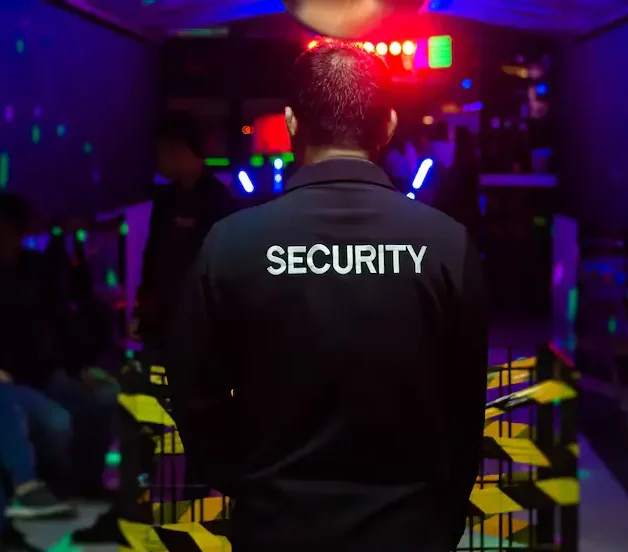

Weekend Training Options for People with Day Jobs
Starting a career in the UK security industry does not mean you have to leave your current job. Many people who want to become Door Supervisors, Security Officers, or CCTV Operators already work full-time during the week. Taking time off can be difficult, especially if you have work commitments, family responsibilities, or limited annual leave.
The good news is that many approved training providers now offer weekend security courses, making it easier for working professionals to gain the qualifications needed for an SIA licence. Weekend classes allow you to continue earning an income while preparing for a new career in the growing private security industry.
This guide explains how weekend training works, who it is suitable for, what to expect during the course, and how to choose the right training provider.
Why Weekend Training Has Become Popular
The demand for flexible learning has increased in recent years. Many adults cannot attend courses from Monday to Friday because they already have full-time jobs or other commitments.
Weekend training provides an excellent solution by allowing students to complete their studies on Saturdays and Sundays.
It is especially popular among:
- Full-time employees
- Part-time workers
- Self-employed professionals
- Parents with weekday commitments
- University students
- Career changers
- Shift workers
- People returning to work
Instead of choosing between your current job and your future career, weekend courses let you manage both.
What Is Weekend Security Training?
Weekend training is exactly what it sounds like. Instead of attending classes during the working week, students complete their lessons over consecutive weekends.
Depending on the qualification and training provider, courses may run:
- Every Saturday and Sunday
- Over two consecutive weekends
- Across several weekends
- As part of a blended learning programme
Some providers also combine online learning with weekend classroom sessions, giving students even greater flexibility.
Which Courses Are Available on Weekends?
Many training providers offer their most popular security qualifications during weekends.
Common courses include:
- Door Supervisor Course
- Security Guard Course
- CCTV Operator Course
- Door Supervisor Top-Up Training
- Emergency First Aid at Work
- CCTV Top-Up Training
- Customer Service Courses
Availability varies depending on the provider and location, so booking early is recommended.
Can You Get an SIA Licence Through Weekend Training?
Yes.
The qualification you receive is the same whether you attend weekday or weekend classes.
As long as the course is delivered by an approved training provider and you successfully complete all required assessments, you can apply for your SIA licence after meeting the licensing requirements.
Employers do not normally distinguish between qualifications completed on weekdays or weekends.
Benefits of Weekend Training
Keep Your Current Job
The biggest advantage is that you do not need to resign from your existing employment.
You can continue earning your regular income while preparing for your new career.
Save Annual Leave
Instead of using valuable holiday days, you can attend training outside normal working hours.
This is especially useful if you have limited paid leave.
Flexible Learning
Weekend courses fit around busy schedules.
This makes them ideal for people balancing:
- Employment
- Family responsibilities
- Childcare
- Education
- Personal commitments
Smooth Career Transition
Many students complete their qualification first before searching for security jobs.
This allows them to move into the industry with confidence rather than leaving employment before gaining the necessary licence.
What Will You Learn?
Although the timetable may differ, the course content remains the same as weekday classes.
Students usually learn about:
- Working in the private security industry
- Health and safety
- Conflict management
- Customer service
- Emergency procedures
- Physical intervention
- Communication skills
- Incident reporting
- Professional standards
- Legal responsibilities
Practical exercises are included where required by the qualification.
How Long Does Weekend Training Take?
Course duration depends on the qualification.
Some courses are completed over one or two weekends, while others may take slightly longer if additional modules or first aid training are included.
Always check the course schedule before booking so you know exactly when attendance is required.
Is Weekend Learning More Difficult?
Not necessarily.
Some students actually find weekend learning easier because they can focus without worrying about work emails or weekday responsibilities.
However, weekend courses can be intensive because lessons are often delivered over longer sessions.
To succeed:
- Arrive well rested.
- Bring any required documents.
- Take notes.
- Participate in practical activities.
- Review lessons between weekends.
Good preparation makes learning much easier.
Choosing the Right Training Provider
Not all training providers offer the same experience.
Before booking, compare:
- Course accreditation
- Trainer experience
- Student reviews
- Class sizes
- Training facilities
- Pass rates
- Support after the course
- Location
- Weekend availability
- Total course cost
Choosing a reputable provider can improve both your learning experience and your confidence.
Balancing Work and Study
Managing a full-time job alongside weekend training requires planning.
Here are some useful tips:
- Inform your family about your schedule.
- Prepare meals in advance if possible.
- Get enough sleep before training days.
- Arrive early at the training centre.
- Review your notes after each session.
- Avoid unnecessary commitments during the course.
Staying organised will help you complete your qualification successfully.
Networking During Training
Weekend classes also provide an opportunity to meet people entering the security industry.
Your classmates may include:
- Career changers
- Retail workers
- Former military personnel
- Hospitality staff
- Students
- Experienced security professionals completing refresher training
Building professional relationships can lead to future job opportunities.
What Happens After the Course?
After successfully completing your qualification, you can apply for your SIA licence if you meet the licensing requirements.
Once licensed, you can begin applying for roles such as:
- Door Supervisor
- Security Officer
- CCTV Operator
- Retail Security Officer
- Event Security Officer
- Concierge Security Officer
- Corporate Security Officer
Many students continue working in their current jobs until they receive a suitable security job offer.
Common Mistakes to Avoid
People attending weekend courses sometimes make avoidable mistakes.
These include:
- Booking without checking course dates.
- Arriving late for training.
- Forgetting required identification.
- Missing practical sessions.
- Not reviewing study materials between classes.
- Choosing a provider based only on price.
Avoiding these mistakes can improve your learning experience.
Who Should Choose Weekend Training?
Weekend security training is ideal if you:
- Work Monday to Friday.
- Cannot take annual leave.
- Need flexible study options.
- Want to change careers gradually.
- Have family responsibilities.
- Prefer learning outside normal working hours.
For many people, weekend classes provide the perfect balance between employment and professional development.
Tips for Success
To get the most from your weekend course:
- Attend every session.
- Ask questions whenever you need help.
- Participate fully in practical activities.
- Complete all required assessments.
- Stay organised throughout the course.
- Continue studying at home between sessions.
Small, consistent efforts often produce the best results.
Final Thoughts
Weekend training has made it easier than ever for people with full-time day jobs to begin a career in the UK’s private security industry. By offering flexible schedules without compromising the quality of learning, these courses allow you to gain recognised qualifications while continuing to meet your work and personal commitments.
Whether you are looking for a complete career change or simply want to expand your employment opportunities, weekend security training offers a practical and convenient route into the industry. Choose a reputable training provider, stay committed throughout your course, and take advantage of the flexibility that weekend learning provides.
With the right training, an SIA licence, and a positive attitude, you can successfully transition into a rewarding security career—without giving up your current job until you are ready.