If you search for first aid training in London, you will quickly notice something. Prices are not the same everywhere. One provider may charge a low fee per person, while another asks for much more. This can feel confusing, especially if you are booking for a business and want fair value.
The truth is that many small details shape the final price. When you understand them, you can compare providers with confidence and avoid paying for things you do not need.
In this guide, we explain every major factor that affects the cost of an Emergency First Aid at Work Course London. We also share simple tips to help you save money without lowering quality.
What Is Emergency First Aid at Work?
Emergency First Aid at Work, often called EFAW, is a one day course that teaches people how to help in a workplace emergency. You do not need any medical background to join. Office staff, shop workers, teachers, builders, and managers all learn the same clear steps.
On the course, learners are taught how to:
- Check a scene for danger before helping
- Call the emergency services at the right time
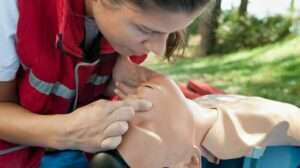
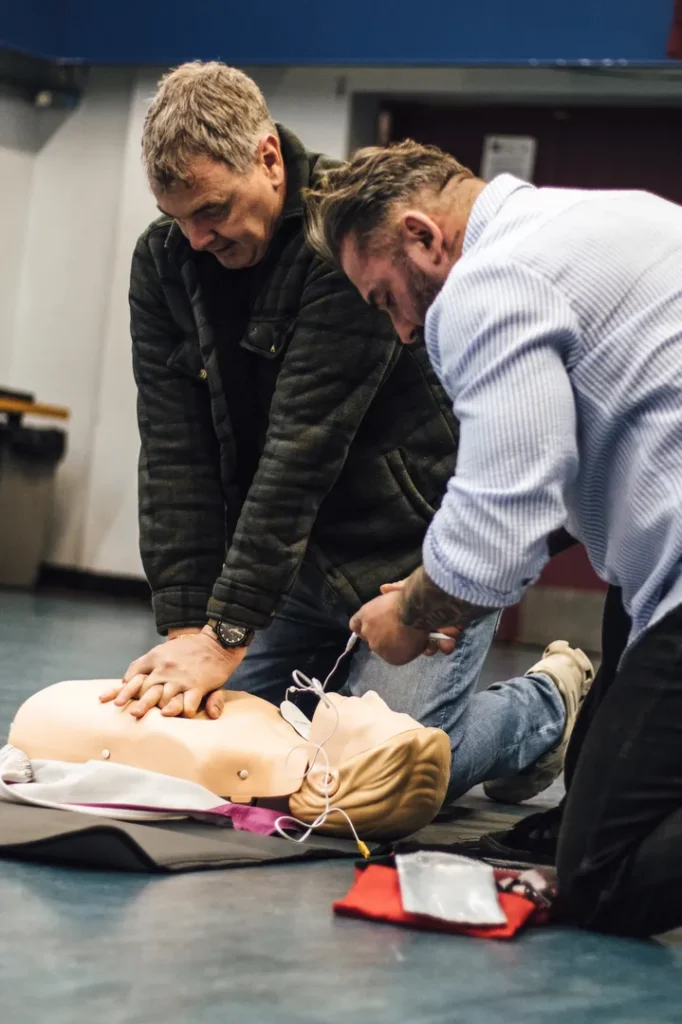
- Give CPR to an adult who is not breathing
- Use an automated external defibrillator, also called an AED
- Help someone who is choking
- Control serious bleeding
- Place an unconscious person in the recovery position
- Treat shock, burns, cuts, and small injuries
The certificate is normally valid for three years. To see how a trusted provider explains this training, visit the Emergency First Aid at Work course page from Betrain.
Why Prices Are Different From One Provider to Another
Two courses can have the same name and still cost different amounts. This does not always mean one is better or worse. It often means the providers run their courses in different ways.
Think of it like booking a taxi. The distance matters, but so do the time of day, the size of the car, and the extras you ask for. First aid training works in a similar way. Let us look at each factor one by one.
1. Group Size
Group size is one of the biggest reasons for price changes.
If you book a single place on a public course, you usually pay a fixed fee per person. If you book for a whole team, many providers offer a better rate for each person. This is because the trainer is already there, and adding more learners does not increase the trainer’s time by much.
For example, a business that trains eight staff members at once will often pay less per head than eight people who book eight separate places. If your company has many employees, ask about group rates before you book.
2. Training Location
Where the course takes place also changes the price. There are two main choices.
Training at a centre. You send your staff to a venue run by the provider. The venue already has the space, equipment, and seating ready. This is often the cheaper choice for one or two people.
Training at your workplace. The trainer comes to you. This is often called on site training. It saves travel time for your staff, and your team learns in a familiar place. For larger groups, this can be great value, even if the day rate looks higher at first.
In London, room hire is expensive. A provider who uses a prime central venue may pass some of that cost on to you. A provider with a venue slightly outside the centre may offer a lower fee.
3. Level and Type of Course
Not every first aid course is the same. The cost depends on which one you choose.
- Emergency First Aid at Work is a one day course for common emergencies.
- First Aid at Work is a longer course, usually over three days, with more depth.
- Paediatric first aid is designed for people who care for babies and children.
- Refresher courses are shorter and meant for people who already hold a certificate.
A longer course needs more trainer time and more equipment, so it costs more. Choosing the right level helps you avoid overspending. Your first aid needs assessment will tell you what level suits your workplace.
4. Trainer Quality and Experience
A good trainer makes a big difference. Skilled trainers often have a background in healthcare, emergency services, or the armed forces. They know how to explain steps clearly and keep learners calm and confident.
Experienced trainers may cost more, but the quality of learning is usually higher. A good trainer can turn a nervous beginner into a person who feels ready to act. This matters, because a certificate alone does not save lives. Real skill does.
When comparing prices, ask about the trainers. Are they qualified? How long have they been teaching? A slightly higher fee for a strong trainer is often worth it.
5. Class Size and Hands On Practice
Some providers fit many people into one room to keep the price low. This can mean less time to practise. In a large class, you may wait a long time for your turn with the CPR manikin.
Smaller classes give more practice time and more attention from the trainer. They cost more to run, so the fee per person may be higher. But the learning is usually better.
Ask how many people share each manikin and how many learners the trainer teaches at once. These simple questions tell you a lot about value.
6. Equipment and Materials
First aid training needs real tools. A good provider will bring:
- CPR manikins for adults, and sometimes infants
- Training defibrillators
- Bandages, dressings, and slings
- Printed or digital course materials
- Cleaning supplies for the manikins
Quality equipment costs money, and it must be kept clean and safe. Providers who invest in modern kit may charge a little more. Those who use old or worn equipment may charge less, but your learning may suffer.
Also check whether course notes, certificates, and manuals are included in the price or sold as extras.
7. Awarding Body and Certificate Type
Certificates come from different awarding bodies. Some are well known and respected. Others are less familiar to employers and inspectors.
A recognised certificate matters, because your employer or an inspector may ask to see it after an incident. Providers who use trusted awarding bodies pay fees for registration and quality checks, and this can be part of the price.
Before you book, ask which awarding body issues the certificate and whether it meets health and safety rules for your workplace. A cheap course with a poor certificate can cost you more in the long run, because you may have to repeat it.
8. Day of the Week and Time of Day
Many providers charge the same price on all days. Others vary their fees depending on when the course runs.
- Weekday courses are usually the standard price.
- Weekend courses may cost a little more, because trainers give up their free time.
- Evening courses can also differ, depending on demand.
If your staff can attend on a quiet weekday, you may find a better deal. On the other hand, a weekend course might save your business from losing working hours, which is also a kind of saving.
9. Booking Notice and Demand
Timing affects cost too. Booking well ahead gives you more choice and may help you secure a better rate. Last minute bookings can be harder to arrange, and some providers charge more for urgent requests.
Demand also changes through the year. Courses can fill up faster around busy periods, such as the start of the year, before school terms, or during audit seasons. Planning early helps you avoid pressure and extra cost.
10. London Costs
London is one of the most expensive cities in the world to run a business. Rent, travel, parking, and staff wages are all higher than in many other parts of the UK. These costs are part of what training providers pay, and they influence the fees you see.
This does not mean London training is always more costly. Because there are so many providers in London, competition is strong. This can keep prices fair and give you plenty of options. A good Emergency First Aid at Work Course London option near your workplace can also save you money on travel and lost time.
11. Extra Services and Support
Some providers include extra help in the price. This might be:
- Free refresher advice or short online guides
- Help with record keeping and certificates
- Support with your first aid needs assessment
- Reminders before your certificate runs out
- Quick replies to questions after the course
Other providers keep the price low and charge for each extra. Look at what is included so you can compare fairly. A slightly higher fee with strong support may be better value than a bare bones course.
12. Group Discounts and Repeat Business
If you plan to train staff every year, ask about repeat business offers. Some providers give better rates to companies that book regularly. A long term relationship can also make it easier to book dates that suit your team.
Ask the provider whether they can send reminders when certificates are due to expire. This helps you avoid gaps in cover and last minute bookings.
How to Compare Prices Fairly
Comparing training prices is not just about finding the lowest number. Use these steps to compare in a smart way.
- Ask for the full price. Check whether taxes, materials, and certificates are included.
- Check the course hours. A one day course should give enough time for proper practice.
- Ask about class size. Smaller groups often mean better learning.
- Check the trainer. Look for qualified and experienced people.
- Confirm the certificate. Make sure it is from a recognised awarding body.
- Think about travel. Count the time and cost of getting to the venue, or ask about on site training.
- Read reviews. Honest feedback from past learners is very helpful.
This simple process helps you see the true value behind each price.
Is Cheap Training a Good Idea?
It is natural to want a low price. But very cheap training can be risky. A course that is too short, too crowded, or taught by an unprepared trainer may leave your staff without real skills. In an emergency, those missing skills can cost far more than any saving.
Remember that first aid is about protecting people. The goal is not just to get a certificate. The goal is for your staff to feel ready to act when someone is hurt. Fair value matters more than the lowest price.
At the same time, the highest price does not always mean the best quality. The right choice is often a trusted provider with clear pricing, strong trainers, and good reviews.
How Businesses Can Save Money Without Losing Quality
Here are some practical ways to keep costs under control.
Train in groups. Group rates are one of the easiest ways to lower the cost per person.
Choose on site training for bigger teams. Your staff save travel time, and the trainer comes to you.
Book early. You get more choice of dates and avoid urgent booking pressure.
Plan renewals. Keep a list of certificate dates, and book new courses before they expire.
Do a needs assessment. This helps you avoid paying for a higher level of training than you need.
Ask for a clear quote. A written quote shows exactly what is included, so there are no surprises.
You can see how a clear and well explained course is presented on the Emergency First Aid at Work training page.
The Cost of Not Training
It is also worth thinking about what happens if you skip training. If someone is hurt at work and no one knows what to do, the damage can be serious. There may be sick pay, legal trouble, higher insurance costs, and harm to your reputation. Most of all, a person may suffer in a way that could have been avoided.
In the UK, employers must provide adequate first aid arrangements under the Health and Safety (First Aid) Regulations 1981. This includes trained people, equipment, and facilities. Training is not only a good idea. It is part of keeping your workplace safe and legal.
Compared with these risks, the fee for a one day course is small. The certificate lasts three years, so the cost is spread across a long period.
Questions to Ask Before You Book
Before you pay, ask each provider these simple questions:
- What is the total price per person, and what does it include?
- How long is the course, and what time does it start and finish?
- Who is the trainer, and what is their experience?
- How many learners are in each class?
- Which awarding body issues the certificate?
- Is on site training available in London?
- What happens if I need to move my date?
- How will I receive the certificate, and when?
Clear answers show that a provider is open and professional. If answers are vague, it may be wise to look elsewhere.
Final Thoughts
The cost of first aid training in London depends on many things. Group size, location, course level, trainer quality, class size, equipment, certificate type, timing, and extra support all play a part. None of these factors is good or bad on its own. What matters is how well the whole package fits your needs.
The smartest approach is to compare providers carefully, ask clear questions, and focus on value rather than only price. A good course gives your team real skills, a valid certificate, and the confidence to act in an emergency.
If you want to protect your staff and meet your legal duties, now is a good time to plan your training. Look into an Emergency First Aid at Work Course London that suits your team, and visit the Emergency First Aid at Work Course London page to explore the details and book with confidence.
Frequently Asked Questions (FAQs)
1. What affects the cost of Emergency First Aid at Work training in London?
The main factors are group size, training location, course level, trainer experience, class size, equipment, and the type of certificate. Timing and extra support services can also change the price.
2. Is on site first aid training more expensive than training at a centre?
It can look more expensive at first, because the trainer travels to you. But for larger groups, on site training often gives better value, since you save staff travel time and benefit from group rates.
3. Do group bookings reduce the price per person?
Yes, many providers offer lower rates per person for groups. The more people you train at once, the lower the cost per head is likely to be.
4. How long does an Emergency First Aid at Work course take?
It is normally a one day course, with about six hours of training. Exact timings may differ by provider, so check the details before you book.
5. How long is an Emergency First Aid at Work certificate valid?
The certificate is usually valid for three years. After that, you need to retake the course to stay qualified.
6. Why is first aid training in London sometimes more expensive?
London has higher costs for venues, travel, and staff. These costs can affect training fees. However, strong competition between providers can also keep prices fair.
7. Does a cheaper first aid course mean lower quality?
Not always, but very cheap courses can mean larger classes, less practice time, or less experienced trainers. It is best to compare quality, certificate type, and what is included, not just the price.
8. Are certificates and course materials included in the price?
This depends on the provider. Many include them, but some charge extra. Always ask for a full written quote so you know exactly what you are paying for.
9. How many first aiders does my workplace need?
There is no single number for every business. It depends on staff numbers, the type of work, and the level of risk. A first aid needs assessment helps you decide the right number.
10. How can I save money on first aid training without losing quality?
Book early, train in groups, choose on site training for larger teams, and plan certificate renewals ahead of time. Also ask for a clear quote and compare trainers, class sizes, and certificate types before you decide.
Word count: about 2,500 words, with no hyphens or dashes used in the text. I can also prepare this in a Word file if you want.