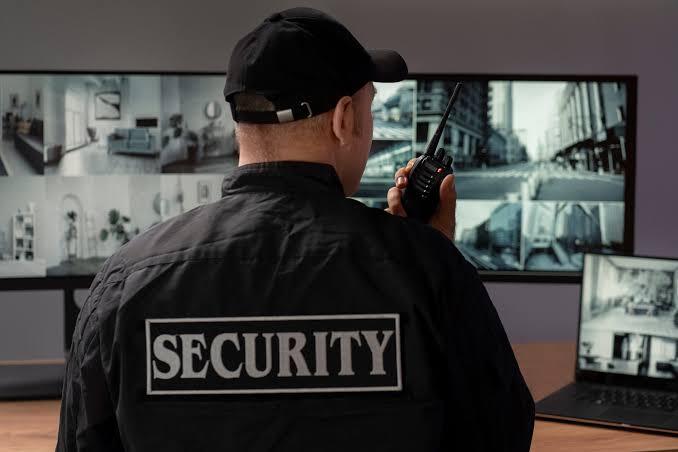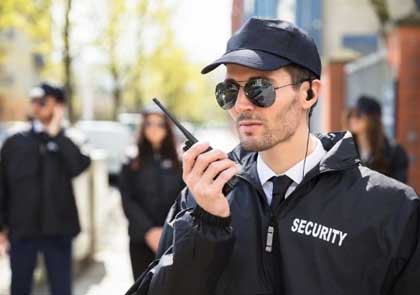
A Nation Taking Security Seriously
Walk through any major city in the United Kingdom today and the presence of the security industry is impossible to ignore. From the broad-shouldered door supervisors guarding the entrances of London’s most popular nightclubs and music venues, to the uniformed officers patrolling shopping centres in Manchester and Birmingham, to the plainclothes retail security professionals operating quietly in flagship department stores — the security sector has become woven deeply into the fabric of British public life.
But this is far more than a surface-level observation. Beneath the visible presence of security professionals lies one of the fastest-growing, most economically significant, and arguably most important industries in the United Kingdom. The sector employs hundreds of thousands of people, generates billions in annual revenue, and plays an indispensable role in keeping citizens, businesses, infrastructure, and public events safe.
What is driving this growth? Why has the UK security industry transformed from what many once considered a low-skill, entry-level profession into a highly regulated, qualification-driven career sector that demands trained, licensed, and professional individuals? And why, specifically, is London at the centre of this transformation — making Door Supervisor Training in London not just relevant but increasingly essential for anyone seeking a sustainable and rewarding career in security?
This article explores all of these questions in depth, covering the current state of the UK security industry, the forces fuelling its expansion, the vital role door supervisors play in London’s economy and nightlife, the regulatory framework that governs the profession, and how aspiring security professionals can position themselves for long-term success.
Section 1: The Scale and Scope of the UK Security Industry
The British security industry is, by any measure, enormous. According to the Security Industry Authority (SIA) — the government body responsible for regulating the private security industry in England, Wales, Scotland, and Northern Ireland — there are over 400,000 licensed security operatives currently active in the UK. The broader private security sector, including companies, consultancies, technology firms, and associated services, is estimated to be worth in excess of £6 billion annually.
This places the UK security industry among the largest in Europe and positions it as a critical pillar of the national economy. Beyond raw numbers, the sector’s importance extends to its contribution to public safety, business continuity, and the smooth functioning of major events, transport hubs, retail environments, hospitality venues, and critical national infrastructure.
The Range of the Security Profession
The modern security industry in the UK is not a monolithic entity. It is a diverse ecosystem encompassing a wide range of specialist roles, each serving distinct purposes and requiring specific skills and licences. The primary licence categories regulated by the SIA include:
Door Supervisors — Perhaps the most recognisable face of the security industry, door supervisors are licensed to work on the doors of pubs, clubs, bars, music venues, casinos, and other licensed premises. They are responsible for controlling entry, verifying age, preventing disorder, managing conflict, and responding to emergencies. Door supervisors are specifically permitted to conduct physical searches of individuals.
Security Guards — Often working in retail, commercial property, industrial sites, and public spaces, security guards protect assets, deter criminal activity, monitor CCTV, and report incidents. Unlike door supervisors, standard security guards are generally not permitted to search individuals.
CCTV Operators — Specialist operatives who work in public surveillance control rooms, monitoring camera networks in town centres, transport hubs, and other public areas.
Close Protection Officers — Professionals who provide personal security to high-net-worth individuals, celebrities, executives, and public figures, commonly referred to as bodyguards.
Cash and Valuables in Transit (CVIT) Officers — Responsible for the secure transportation of cash, jewellery, and other high-value items.
Vehicle Immobilisers — Licensed to clamp or immobilise illegally parked vehicles on private land.
Each of these roles demands a distinct skill set and carries its own SIA licence requirement. Of all the roles listed above, however, the door supervisor remains one of the most in-demand, especially in a city like London where the night-time economy is worth billions of pounds each year.
Section 2: Why the Security Industry Is Growing Faster Than Ever
The growth of the UK security industry is not accidental — it is the product of several converging forces that show little sign of abating. Understanding these drivers helps explain why careers in security, and specifically Door Supervisor Training in London, are attracting more attention than ever before.
1. Rising Crime and Public Safety Concerns
Despite significant investment in policing and crime prevention, the UK continues to grapple with persistent challenges around crime, particularly in urban areas. Knife crime, drug-related violence, and opportunistic theft remain serious concerns in many of London’s boroughs. The Metropolitan Police, while one of the largest police forces in the world, cannot be everywhere at once — and businesses, event organisers, and local authorities increasingly rely on licensed security professionals to fill the gap.
The result is a surge in demand for trained security operatives who can act as a first line of defence, de-escalating situations before they require police intervention and responding effectively when emergencies occur.
2. The Booming Night-Time Economy
London’s night-time economy — encompassing pubs, bars, clubs, restaurants, live music venues, theatres, and late-night retail — is one of the most economically powerful in the world. Estimated to contribute over £26 billion to London’s economy annually and support hundreds of thousands of jobs, the night-time economy depends entirely on the presence of competent, licensed door supervisors to operate legally and safely.
Every licensed premises in London that remains open after a certain hour, or that sells alcohol on-site, is legally required to employ SIA-licensed door supervisors. This single regulatory requirement creates an enormous, sustained base of demand for trained and licensed professionals — and it is a demand that is growing as London’s hospitality sector continues to expand.
3. Terrorism and Counterterrorism Awareness
The UK has experienced a number of devastating terror attacks in recent years, including the 2017 Manchester Arena bombing, the London Bridge attack, and the Westminster Bridge attack. These events have had a profound impact on how the security industry operates, particularly in relation to crowded places, major events, and entertainment venues.
In response, the UK government introduced Martyn’s Law (officially known as the Protect Duty), which places new legal obligations on venues and events to implement protective security measures. When enacted, this legislation will require many more organisations to formally train their security staff and develop security plans — further expanding the demand for qualified security professionals.
4. The Growth of Large-Scale Events
The UK is one of the world’s most active nations when it comes to large-scale public events. From Premier League football matches attracting tens of thousands of spectators every weekend, to music festivals drawing hundreds of thousands over a summer season, to political conferences, royal events, and major international sporting occasions — the need for professional event security is immense.
London alone hosts some of the world’s most high-profile events, including concerts at the O2 Arena and Wembley Stadium, the Notting Hill Carnival, Pride in London, and major international summits. Every one of these events requires a substantial security operation staffed by licensed, trained professionals.
5. Retail Crime and Loss Prevention
Retail theft in the UK has reached alarming levels, with organised retail crime costing the industry billions of pounds each year. In response, retailers — from large supermarkets and department stores to small independent businesses — are investing heavily in security personnel. The demand for trained security guards and loss prevention officers has risen sharply, creating further employment opportunities across the sector.
Section 3: Door Supervisors — The Frontline Professionals of London’s Security Industry
Of all the roles within the UK security industry, the door supervisor holds a unique and particularly important position — especially in London. They are the most visible security professionals in the city’s social and cultural life, the first people encountered when entering a venue, and the individuals responsible for maintaining order, safety, and compliance at thousands of licensed premises every night.
What Does a Door Supervisor Do?
The responsibilities of a door supervisor extend far beyond simply standing at an entrance. A qualified and experienced door supervisor in London is expected to:
Control Access — Managing entry queues, verifying age with valid identification, applying venue admission policies, and refusing entry to individuals who appear intoxicated, aggressive, or otherwise pose a risk.
Conduct Physical Searches — Unlike many other security roles, door supervisors hold a unique legal authority to search individuals for weapons, drugs, or other prohibited items before they enter a venue.
Conflict Management — This is perhaps the most critical and nuanced aspect of the role. Door supervisors must be able to identify potential conflicts before they escalate, intervene safely, and de-escalate volatile situations using communication skills and physical intervention as a last resort.
Emergency Response — In the event of a fire, medical emergency, security incident, or evacuation, door supervisors play a central role in protecting the public, guiding people to safety, and liaising with emergency services.
Crowd Management — Managing the flow of large numbers of people, especially in high-capacity venues, requires skill, awareness, and experience.
Legal Compliance — Door supervisors must have a working knowledge of relevant legislation including licensing law, the Equality Act, data protection, and the use of force.
Customer Service — Despite the serious nature of their work, door supervisors are also ambassadors for the venues they protect. The manner in which they interact with patrons directly affects the reputation and success of the business.
The Demand for Door Supervisors in London
London is home to thousands of licensed premises — pubs, nightclubs, bars, casinos, music venues, comedy clubs, and more. Under the Licensing Act 2003, any premises that provides regulated entertainment or sells alcohol is subject to licensing conditions that typically mandate the use of SIA-licensed door supervisors. The sheer density of licensed venues in the capital means that the demand for qualified door supervisors is enormous and constant.
Moreover, London’s status as a global city means that its hospitality and entertainment sector attracts visitors from around the world. High-profile areas such as Soho, Shoreditch, Brixton, Camden, and Mayfair are home to venues that operate at capacity night after night, each requiring multiple door supervisors on every shift.
The result is that Door Supervisor Training in London is one of the most practically useful and immediately employable qualifications a person can obtain in the capital. For individuals looking to enter the security industry, or for those already working in it who wish to formalise and enhance their skills, completing a recognised door supervisor training course is the essential first step.
Section 4: Becoming a Licensed Door Supervisor — The Training and Qualification Pathway
To work legally as a door supervisor anywhere in the UK, an individual must hold a valid SIA Door Supervisor Licence. Obtaining this licence requires completing an accredited training course that covers a specific set of competencies set out by the SIA.
The SIA Door Supervisor Licence
The Security Industry Authority Door Supervisor Licence is the legal authorisation that allows an individual to work in this role. It is a criminal offence to work as a door supervisor without a valid SIA licence, and venues that knowingly employ unlicensed staff can face severe penalties, including the loss of their premises licence.
The SIA licence is issued following successful completion of an accredited Level 2 Award for Door Supervisors qualification. To be eligible for the licence, applicants must:
- Be at least 18 years of age
- Pass criminal record checks through the Disclosure and Barring Service (DBS)
- Complete and pass the accredited training course
- Apply to the SIA with the appropriate fee and documentation
The Level 2 Award for Door Supervisors
The nationally recognised qualification required to obtain an SIA Door Supervisor Licence is the Level 2 Award for Door Supervisors, delivered by accredited training providers. This qualification is comprehensive, covering both theoretical knowledge and practical skills across a range of subjects essential to the role.
The core content of the award typically includes:
Working in the Private Security Industry — This unit provides trainees with an understanding of the legal framework governing security work, the role of the SIA, relevant legislation, codes of practice, and the professional standards expected of all security operatives.
Working as a Door Supervisor — Covering the specific responsibilities of the door supervisor role, including access control, searching, record keeping, licensing law, venue operations, and dealing with prohibited items.
Conflict Management for the Private Security Industry — One of the most extensive units, this covers the psychology of conflict, communication strategies, personal safety, threat assessment, and conflict resolution techniques.
Physical Intervention Skills for the Private Security Industry — Practical training in approved physical intervention techniques, including breakaways, restraint, handcuffing, and the use of reasonable force within the law.
First Aid for the Private Security Industry — Basic but critical first aid skills including CPR, treating wounds, managing medical emergencies, and using a defibrillator.
The full qualification typically takes between four and six days to complete, depending on the training provider and delivery format. Some providers offer intensive programmes that can be completed in a condensed period, while others offer more spread-out schedules to suit working professionals.
Choosing the Right Training Provider in London
The quality of door supervisor training can vary significantly between providers. For individuals in London looking to obtain their SIA Door Supervisor Licence, choosing a reputable, experienced, and Ofqual-regulated training provider is essential.
One of London’s leading providers of Door Supervisor Training is Betrain, whose comprehensive door supervisor course is designed to equip trainees with everything they need to not only pass the qualification but to thrive in the role from day one. You can find full details of the course, including schedules and enrolment information, at https://www.betrain.co.uk/door-supervisor-course/.
Betrain’s door supervisor training in London is delivered by experienced security professionals with extensive real-world experience. The course covers all the units required for the Level 2 Award for Door Supervisors and is delivered in a practical, engaging format that prepares students for the realities of working in London’s busy hospitality and entertainment environments.
When evaluating training providers for Door Supervisor Training in London, prospective trainees should consider:
- Accreditation — Is the provider accredited by an Ofqual-recognised awarding body?
- Trainer Experience — Do the trainers have practical door supervisor experience, or are they purely academic instructors?
- Pass Rates — What is the provider’s historical pass rate for the qualification?
- Location and Accessibility — Is the training centre well-connected by public transport for London commuters?
- Support and Guidance — Does the provider offer ongoing support with the SIA licence application process?
- Reviews and Reputation — What do former trainees say about the quality of the training?
Section 5: Career Prospects and Earning Potential for Door Supervisors in London
One of the most compelling reasons for the growing interest in Door Supervisor Training in London is the genuine and immediate career opportunity it represents. Unlike many other training courses that lead to graduate schemes or lengthy application processes, an SIA Door Supervisor Licence can be translated into paid employment very quickly.
Entry-Level Opportunities
A newly licensed door supervisor in London can expect to find work relatively quickly, particularly given the high density of licensed venues in the capital. Entry-level door supervisors typically earn between £12 and £15 per hour, with premium rates available for night shifts, weekends, and high-profile venues.
Given that door supervisors frequently work evenings and weekends — when hourly rates are typically higher — a full-time door supervisor in London can earn between £25,000 and £35,000 per year, with some experienced professionals earning considerably more.
Progression and Specialisation
The SIA Door Supervisor Licence is not a ceiling — it is a foundation. Many of London’s most successful security professionals began their careers as door supervisors and have since progressed to senior positions within large security companies, event security management, close protection, security consulting, or operations management.
Additionally, door supervisors with their licence can pursue further qualifications in areas such as:
- CCTV Operation — A relatively short additional qualification that opens up surveillance and control room roles
- Close Protection — For those interested in VIP and executive protection work, often among the best-paid roles in the sector
- First Aid Instructor — A natural progression for those who enjoy the training aspect of their CPD journey
- Security Management — For those with leadership ambitions within large security organisations
Self-Employment and Flexibility
The security industry in London also offers significant flexibility for those who prefer self-employment. Many door supervisors work on a freelance basis, accepting shifts through agencies and building relationships with multiple venues. This model allows experienced operatives to command higher rates, control their own schedules, and develop a broad portfolio of experience across different venue types.
Section 6: The Regulatory Framework — Why Licensing Matters
The UK security industry is one of the most rigorously regulated in the world, and for good reason. The individuals who work in this sector are entrusted with significant responsibilities — including the legal authority to use physical force in certain circumstances. The regulatory framework in place exists to ensure that only competent, vetted, and appropriately trained individuals are permitted to work in these roles.
The Role of the SIA
The Security Industry Authority, established under the Private Security Industry Act 2001, is the government body responsible for licensing individuals working in the private security industry. The SIA’s primary functions include:
- Granting, renewing, and revoking licences
- Setting training and qualification standards
- Investigating complaints and misconduct
- Approving contractors (companies that provide security services)
- Raising standards across the industry
The SIA’s Approved Contractor Scheme (ACS) is a voluntary accreditation scheme for security companies that demonstrates a commitment to high standards of service delivery. Clients increasingly require their security providers to hold ACS status, further incentivising quality across the industry.
The Consequences of Non-Compliance
The penalties for working without a valid SIA licence — or for employing unlicensed operatives — are significant. Individuals found working without a licence can be fined up to £5,000 and/or imprisoned for up to six months. Venues that knowingly use unlicensed door supervisors risk losing their premises licence, with devastating consequences for their business.
This regulatory environment reinforces the importance of Door Supervisor Training in London through accredited providers and the value of obtaining the SIA licence before seeking employment.
Section 7: The Social Value of the Security Industry
Beyond the economic and regulatory dimensions, it is important to acknowledge the profound social value that the security industry contributes to the UK — and to London in particular. Security professionals are not simply enforcers; at their best, they are guardians of public spaces, protectors of the vulnerable, and de-escalators of conflict.
Making London Safer
London is one of the most densely populated and internationally visited cities in the world. The safety of the millions of people who live in, work in, and visit the capital depends in no small part on the vigilance, professionalism, and training of the security personnel who operate across its venues, transport links, shopping centres, and public spaces.
Door supervisors, in particular, occupy a uniquely important social position. They are often the individuals who identify and respond to medical emergencies, who prevent violent altercations from spiralling into serious harm, and who provide a reassuring presence for members of the public in late-night environments where alcohol and heightened emotion can create unpredictable situations.
The Role of Security in Major Events
Major public events — sporting occasions, music festivals, political gatherings — bring enormous social and economic value to London. But they also create security challenges of significant complexity. The ability to host these events safely is entirely dependent on the availability of well-trained security professionals. The growth of the UK security industry directly enables London to continue hosting the world-class events that enhance its global reputation and economic vitality.
Supporting the Mental Health of Communities
An often-overlooked dimension of the door supervisor’s role is the mental health aspect. Trained door supervisors who are skilled in conflict management and de-escalation are also often first responders to individuals in mental health crises in and around licensed venues. The compassionate, professional response of a well-trained door supervisor in these situations can make an enormous difference — connecting vulnerable individuals with the help they need rather than escalating situations unnecessarily.
Section 8: The Future of the UK Security Industry
The trajectory of the UK security industry points clearly upward. Several emerging trends are likely to shape its development over the coming years and further cement its importance to the national economy and public life.
Technology and Security
The integration of technology into security operations — including AI-powered CCTV analytics, facial recognition, biometric access control, and body-worn cameras — is transforming how security professionals work. Rather than replacing human operatives, these technologies are augmenting their capabilities, enabling faster threat identification and more effective responses.
For door supervisors and other frontline security professionals, this means that technological literacy is becoming an increasingly valued competency. Training programmes are beginning to incorporate modules on working with technology, and the most forward-thinking security employers are investing in upskilling their teams.
The Martyn’s Law Revolution
The introduction of Martyn’s Law — named after Martyn Hett, one of the victims of the Manchester Arena bombing — is set to be a watershed moment for the UK security industry. When fully enacted, the legislation will require venues and events above a certain capacity to have formal security plans, trained staff, and protective security measures in place.
The practical effect will be a significant expansion in demand for trained security professionals — and for the training providers and qualifications that underpin the industry. Door Supervisor Training in London will be among the most directly affected areas, as the legislation specifically targets the kinds of public venues and events where door supervisors are most prominently employed.
Career Professionalisation
The long-term trend towards professionalisation within the security industry shows no signs of reversing. The SIA continues to raise qualification standards, training providers continue to invest in quality delivery, and employers are increasingly recognising that investing in well-trained staff delivers better outcomes — for their businesses, for their clients, and for the public.
For individuals considering a career in security, this professionalisation trend is enormously positive. It means that the skills and qualifications they invest in today will hold genuine long-term value, and that career advancement within the industry is becoming more structured, transparent, and rewarding.
Section 9: How to Get Started with Door Supervisor Training in London
If you have read this far and are considering taking the step towards a career as a door supervisor in London, the practical pathway is clearer and more accessible than you might think.
Step 1: Research Your Training Provider
Begin by identifying a reputable, accredited training provider in London. Look for providers that offer the Level 2 Award for Door Supervisors, are accredited by an Ofqual-recognised awarding body, and have strong reviews and pass rates. Betrain’s door supervisor course in London is an excellent starting point — visit https://www.betrain.co.uk/door-supervisor-course/ to explore available course dates, pricing, and what to expect.
Step 2: Ensure Eligibility
Confirm that you meet the basic eligibility criteria: you must be at least 18 years of age and not have any criminal convictions that would prevent the SIA from granting you a licence. If you have any concerns about your eligibility, you can use the SIA’s eligibility checker tool on their website.
Step 3: Enrol and Complete Your Training
Complete the Level 2 Award for Door Supervisors with your chosen training provider. Engage fully with all elements of the course — the theoretical units, the conflict management training, and the practical physical intervention sessions.
Step 4: Apply for Your SIA Licence
Once you have passed your qualification, apply to the SIA for your Door Supervisor Licence. This involves submitting your qualification certificate, identity documents, a DBS check, and the appropriate application fee.
Step 5: Begin Your Career
With your SIA licence in hand, you are legally authorised to work as a door supervisor anywhere in the UK. In London, this means access to one of the largest and most dynamic security employment markets in the world.
Conclusion
The UK security industry has undergone a remarkable transformation over recent decades — from a largely informal, unregulated sector to a professionalised, legally accountable, and economically vital industry that underpins much of British public life. This transformation shows every sign of continuing, driven by rising demand, stronger regulation, technological integration, and a growing recognition of the indispensable role that trained security professionals play in keeping the nation safe.
For individuals in London, the opportunity presented by Door Supervisor Training in London is substantial. The capital’s vast night-time economy, major events calendar, and dense concentration of licensed premises create a sustained, high-demand employment market for qualified door supervisors. With the right training — from a trusted provider such as Betrain — a career in the security industry offers genuine job security, competitive earnings, the opportunity for progression, and the profound satisfaction of making a real difference to public safety.
The security industry is not just growing — it is becoming one of the most important industries in the United Kingdom. And for those willing to invest in the right training and qualifications, it offers a career path that is as rewarding as it is vital.
Frequently Asked Questions (FAQs)
1. What is Door Supervisor Training in London and why do I need it?
Door Supervisor Training in London refers to the accredited qualification programme — specifically the Level 2 Award for Door Supervisors — required to obtain an SIA Door Supervisor Licence. You need this training because it is a legal requirement to hold a valid SIA licence before you can work as a door supervisor at any licensed premises in the UK. Without it, you cannot legally be employed in this role, and both you and the venue face serious penalties.
2. How long does Door Supervisor Training in London take to complete?
The Level 2 Award for Door Supervisors typically takes between four and six days to complete, depending on the training provider and the schedule they offer. Some providers in London offer intensive courses that can be completed in a condensed timeframe, while others offer part-time or weekend options to suit those who are currently working. For more information on specific course schedules, visit https://www.betrain.co.uk/door-supervisor-course/.
3. How much does Door Supervisor Training in London cost?
The cost of door supervisor training in London varies between providers but generally ranges from around £300 to £600 for the full Level 2 Award for Door Supervisors. In addition to the training cost, you will need to budget for the SIA licence application fee, which is currently £190 for a three-year licence. Some training providers include additional support, such as assistance with the licence application, which can add value to the overall package.
4. What qualifications do I need before starting Door Supervisor Training in London?
You do not need any prior qualifications to enrol on a Door Supervisor Training course in London. You must be at least 18 years of age, and you will need to undergo a Disclosure and Barring Service (DBS) check as part of the SIA licence application process. Some training providers may require you to demonstrate basic English language skills sufficient to engage with the course materials and assessments.
5. What subjects are covered in Door Supervisor Training in London?
The Level 2 Award for Door Supervisors covers five core subject areas: working in the private security industry; working as a door supervisor (including licensing law, access control, and searching); conflict management for the private security industry; physical intervention skills; and first aid for the private security industry. Together, these units equip trainees with the knowledge, skills, and confidence to perform the full range of door supervisor duties professionally and legally.
6. What is the difference between a door supervisor and a security guard?
The key difference is the scope of legal authority. A door supervisor holds a specific SIA licence that permits them to work on licensed premises and to carry out physical searches of individuals. A security guard licence permits work in other environments (retail, commercial premises, events) but does not authorise the holder to conduct searches of persons. Door supervisors must complete additional training — specifically the physical intervention and conflict management units — which are not required for standard security guard licences.
7. How do I apply for an SIA Door Supervisor Licence in London?
Once you have successfully completed the Level 2 Award for Door Supervisors, you apply directly to the Security Industry Authority online at the SIA’s official website. You will need to provide your qualification certificate, photographic identification, proof of the right to work in the UK, a completed DBS check, and the licence application fee of £190. The SIA aims to process applications within a few weeks, though it can take longer in some cases.
8. Is Door Supervisor work in London well paid?
Door supervisor work in London offers competitive pay, particularly given the premium rates paid for evening and weekend shifts. Entry-level door supervisors in London typically earn between £12 and £15 per hour, with experienced professionals at busy or prestigious venues earning £16 to £22 per hour or more. Full-time door supervisors working regular evening and weekend shifts can expect annual earnings in the range of £25,000 to £40,000, depending on experience, venue type, and hours worked.
9. Can I work as a door supervisor on a part-time or freelance basis in London?
Yes, absolutely. The London security market is highly flexible and many door supervisors work on a freelance or agency basis, picking up shifts at multiple venues rather than being tied to a single employer. This model can be particularly attractive for those who want to supplement another income, build experience across different venue types, or enjoy the flexibility of choosing their own hours. Once you have your SIA Door Supervisor Licence, you can register with security staffing agencies in London and begin accepting work relatively quickly.
10. Why should I choose Betrain for Door Supervisor Training in London?
Betrain is an established and highly regarded provider of security training in London, with a strong track record of helping trainees achieve their Level 2 Award for Door Supervisors and go on to build successful careers in the security industry. The courses are delivered by experienced security professionals, cover all SIA-required content in a practical and engaging format, and include guidance on the licence application process. For full course information, available dates, and to enrol, visit https://www.betrain.co.uk/door-supervisor-course/.