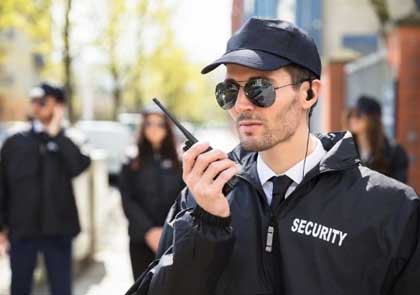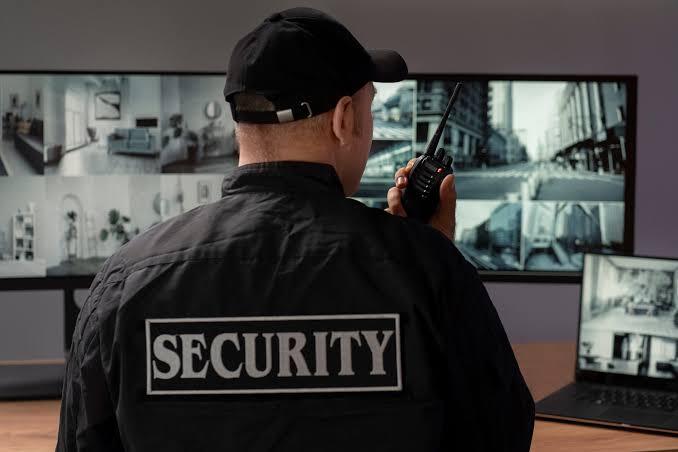
In the dynamic and often unpredictable world of security, conflict management stands as one of the most essential competencies a professional can possess. Whether stationed at a busy nightclub in Soho, a corporate venue in Canary Wharf, or a retail establishment along Oxford Street, security personnel commonly known as door supervisors are frequently the first line of response when tensions arise. Their ability to de-escalate situations, communicate effectively under pressure, and make split-second decisions can be the difference between a minor incident and a major crisis.
London, as one of the world’s most vibrant and populous cities, presents unique challenges for those working in the security industry. With its diverse population, bustling nightlife, major public events, and a wide variety of venues, the demand for highly trained and competent door supervisors has never been higher. This is why investing in quality training specifically a recognised Door Supervisor Course in London is not just a regulatory requirement but a professional imperative.
This article provides an in-depth exploration of conflict management within security roles, covering the psychological underpinnings of conflict, practical strategies used in real-world environments, the legal framework that governs security operations in the UK, and how dedicated training programmes prepare door supervisors to handle these challenges with confidence and professionalism.
1. What Is Conflict Management in the Context of Security?
Conflict management in a security context refers to the systematic process of identifying, addressing, and resolving disputes or aggressive behaviour in a manner that minimises harm to all parties involved. Unlike conflict resolution in corporate or interpersonal settings, security-related conflict management often involves individuals who are under the influence of alcohol or substances, experiencing emotional distress, or acting with intentional aggression.
For a door supervisor working in London’s nightlife or event industry, conflict can arise in many forms verbal altercations between patrons, disputes over entry refusals, aggressive behaviour triggered by intoxication, or even organised criminal activity. The role demands not just physical presence and strength, but a sophisticated understanding of human psychology, situational awareness, and communication tactics.
The Security Industry Authority (SIA) in the United Kingdom mandates that all door supervisors hold a valid SIA licence, which can only be obtained after completing an accredited training course. A comprehensive Door Supervisor Training in London covers conflict management as a core module, equipping professionals with the skills and knowledge they need to operate safely and legally.
2. The Psychology of Conflict: Understanding Why People Become Aggressive
Before a security professional can effectively manage conflict, they must first understand why conflict occurs. Human aggression is rarely spontaneous it typically stems from a combination of environmental, psychological, and situational triggers.
2.1 The Fight-or-Flight Response
When an individual perceives a threat whether real or imagined the brain’s amygdala triggers the release of adrenaline, cortisol, and other stress hormones. This physiological response prepares the body either to confront the threat (fight) or to escape it (flight). In venues where people are consuming alcohol or other substances, this response can be easily triggered, often disproportionately to the actual level of threat. A door supervisor who understands this physiological reality can approach an agitated individual with empathy and patience, rather than responding with counter-aggression that escalates the situation.
2.2 The Role of Ego and Perceived Respect
In many nightlife and event settings, conflicts arise not from genuine threats but from perceived disrespect. When individuals feel humiliated, ignored, or publicly challenged, their ego responses can fuel aggressive behaviour. Security professionals trained through a quality Door Supervisor Course in London are taught to manage these situations by respecting the individual’s dignity, offering face-saving alternatives, and maintaining a calm and assertive rather than confrontational demeanour.
2.3 Substance Use and Impaired Judgement
Alcohol and recreational drug use are among the most common contributing factors to conflict in the security environment. These substances impair judgement, reduce inhibition, and distort perception, making individuals more likely to misinterpret situations and react aggressively. Trained door supervisors are equipped with strategies for dealing with intoxicated individuals safely, including positioning, tone of voice, and appropriate physical intervention when necessary.
3. Core Principles of Conflict Management for Door Supervisors
Effective conflict management in security is built upon several foundational principles. These principles are taught as part of accredited Door Supervisor Training in London and form the backbone of any professional’s approach to handling difficult situations.
3.1 Prevention Over Intervention
The best conflict is the one that never happens. Skilled door supervisors are trained to identify the early warning signs of potential conflict and take proactive steps to defuse tensions before they escalate. This involves maintaining a visible and approachable presence, monitoring crowd behaviour, and addressing minor issues before they develop into major incidents. In busy London venues, this preventative approach requires both attentiveness and a thorough understanding of crowd dynamics.
3.2 Communication as a Primary Tool
In the security industry, communication is arguably the most powerful tool at a door supervisor’s disposal. Effective verbal communication including tone, language choice, and active listening can de-escalate even highly charged situations. Non-verbal communication, such as open body language, maintaining a respectful distance, and avoiding aggressive postures, is equally critical.
Training programmes specifically designed for Door Supervisor Courses in London teach professionals how to communicate clearly and calmly in noisy, high-pressure environments. Techniques such as the LEAPS model (Listen, Empathise, Ask, Paraphrase, Summarise) are commonly taught to help door supervisors navigate difficult conversations with empathy and authority.
3.3 De-escalation Techniques
De-escalation is the process of reducing the intensity of a conflict before it requires physical intervention. This involves a range of strategies, including:
- Using a calm and steady tone of voice
- Acknowledging the individual’s feelings without validating their aggressive behaviour
- Offering choices to restore a sense of control to the agitated party
- Removing triggers or moving the individual away from the source of conflict
- Employing humour carefully and appropriately to diffuse tension
- Calling for backup when necessary to avoid lone confrontations
These techniques are extensively practised during Door Supervisor Training in London, with role-play scenarios and real-world simulations forming a significant part of the curriculum.
3.4 Physical Intervention as a Last Resort
While physical intervention is sometimes unavoidable, it is always considered a last resort in professional security practice. Door supervisors are trained in conflict management physical skills (CMPS) techniques for safely restraining individuals who pose an imminent threat to themselves or others. These techniques prioritise the safety of all parties and are governed by strict legal and ethical guidelines.
Misuse of physical force is not only illegal but can lead to criminal prosecution, civil claims, and the loss of an SIA licence. This is why quality Door Supervisor Courses in London place significant emphasis on understanding when physical intervention is and is not justified, and on ensuring that force is always proportionate and necessary.
4. The Legal Framework Governing Security and Conflict Management in the UK
Security professionals operating in the United Kingdom must navigate a complex legal landscape. Understanding the law is not merely academic it has direct implications for how door supervisors can lawfully act in conflict situations.
4.1 The Private Security Industry Act 2001
This act established the Security Industry Authority (SIA) and created the regulatory framework for the private security industry in the UK. It mandates that all door supervisors obtain an SIA licence before working in the sector, with licence renewal requiring ongoing compliance with training and conduct standards. Working without an SIA licence is a criminal offence punishable by a fine or imprisonment.
4.2 The Criminal Law Act 1967 and the Right to Use Reasonable Force
Under UK law, individuals including security professionals have the right to use reasonable force to prevent crime or to protect themselves or others from harm. However, ‘reasonable force’ is a legal standard that must be carefully interpreted. Force must be proportionate to the perceived threat, and any excessive use of force can result in criminal charges including assault or grievous bodily harm.
Door supervisors must therefore be trained to assess threats accurately and calibrate their responses accordingly. This nuanced understanding is a core component of any accredited Door Supervisor Training in London.
4.3 The Equality Act 2010
Door supervisors have a legal obligation to treat all individuals fairly and without discrimination. Refusing entry to, or ejecting, individuals on the grounds of their race, religion, gender, disability, or other protected characteristics is unlawful under the Equality Act 2010. This legal responsibility reinforces the importance of professional training, as biased or discriminatory behaviour can expose both the individual supervisor and their employer to serious legal liability.
4.4 Data Protection and CCTV
Many security operations in London involve the use of CCTV and other surveillance systems. Door supervisors must understand their obligations under the UK General Data Protection Regulation (UK GDPR) and the Data Protection Act 2018 when it comes to recording and storing footage. Misuse of surveillance data can lead to significant regulatory penalties and reputational damage.
5. Situational Awareness: The Foundation of Proactive Security
Situational awareness is the ability to perceive, understand, and anticipate events in one’s environment. For door supervisors working in London’s fast-paced security landscape, situational awareness is absolutely fundamental to effective conflict management.
The concept is often broken down into three levels: perception (noticing what is happening), comprehension (understanding the significance of what you are observing), and projection (anticipating what is likely to happen next). A door supervisor with highly developed situational awareness will notice a group of individuals becoming agitated long before a conflict erupts, allowing them to take pre-emptive action.
Effective Door Supervisor Training in London incorporates situational awareness exercises that teach trainees to read environments, identify behavioural cues, and respond to developing situations with speed and confidence. This training includes learning how to scan crowds efficiently, identify suspicious behaviour, and understand the layout of the venue to facilitate rapid and effective responses.
6. Conflict Management in London’s Unique Security Environment
London’s security landscape is unlike anywhere else in the UK. The city’s scale, diversity, and the sheer volume of people passing through its venues every night create challenges that demand a particularly high level of professional training and adaptability.
6.1 Working in Multicultural Environments
With over 300 languages spoken and residents from virtually every nation on earth, London is one of the most culturally diverse cities in the world. Door supervisors working in this environment must be sensitive to cultural differences in communication styles, social norms, and responses to authority. Misunderstandings rooted in cultural differences can quickly escalate into conflicts if not handled with awareness and sensitivity. Quality training programmes address this by providing cultural competence training alongside standard conflict management techniques.
6.2 High-Volume Venues and Events
London hosts some of the UK’s largest and most high-profile events from international music festivals and sporting events to royal occasions and major public gatherings. Managing security at these venues requires not only individual conflict management skills but an understanding of crowd psychology and mass event safety. Door supervisors working at such events must be familiar with emergency protocols, evacuation procedures, and the coordination of large security teams.
6.3 Knife Crime and Serious Violence
London, like other major cities, has experienced issues with knife crime and serious violence in certain areas and contexts. Door supervisors must be trained to manage situations where weapons may be present, including how to conduct effective searches, how to respond when a weapon is produced, and how to protect themselves and others from serious harm. This training is a critical component of the Door Supervisor Course in London and is directly relevant to maintaining safety in London’s nightlife and entertainment sectors.
7. Mental Health Awareness in Security Roles
In recent years, there has been growing recognition of the role that mental health plays in conflict situations. Individuals experiencing mental health crises may exhibit behaviours that can be mistaken for aggression or intoxication, and responding to them in the same way as a standard conflict can cause serious harm.
Modern Door Supervisor Training in London increasingly incorporates modules on mental health awareness, equipping security professionals to identify the signs of mental health distress, communicate appropriately with vulnerable individuals, and connect them with appropriate support services rather than escalating enforcement. This compassionate approach not only reduces harm but also reflects the evolving expectations of the public and regulatory authorities.
The importance of door supervisors’ own mental wellbeing is also being recognised. Working in high-pressure environments, often during night hours and in situations involving violence or aggression, can take a significant psychological toll. Professional training now includes guidance on stress management, trauma-informed practice, and accessing support for personal mental health challenges.
8. Report Writing and Incident Documentation
Effective conflict management does not end when a situation has been resolved. Accurate and timely documentation is a critical professional responsibility for door supervisors. Incident reports serve multiple purposes: they provide a legal record of events, inform venue management about safety issues, support any subsequent investigations or prosecutions, and protect the supervisor in the event of legal challenges.
A well-written incident report should include the time and location of the incident, a factual account of what occurred, the identities of all parties involved, the actions taken by the door supervisor, and any witness information. Training in report writing is a standard component of Door Supervisor Courses in London, with emphasis placed on objectivity, clarity, and accuracy.
Digital tools and mobile reporting systems are increasingly used in modern security operations, and familiarity with these systems is an increasingly valuable skill for London-based door supervisors.
9. The Importance of Professional Training: Why Choose a Door Supervisor Course in London?
For anyone seeking to build a career in the security industry, obtaining a recognised qualification through a reputable Door Supervisor Course in London is the essential first step. Professional training not only fulfils the legal requirement for an SIA licence but provides the comprehensive knowledge and practical skills needed to operate safely and effectively in real-world security environments.
The quality of training matters enormously. Programmes that are delivered by experienced security professionals, incorporate practical role-play and scenario-based learning, and keep pace with the latest legislative and industry developments will produce far better outcomes than those that offer only basic theory.
9.1 What to Look for in a Door Supervisor Training Programme
When selecting a Door Supervisor Training in London, prospective students should consider the following factors:
- Ofqual-regulated qualification aligned with SIA licensing requirements
- Experienced and qualified instructors with a background in operational security
- Comprehensive coverage of conflict management, physical intervention, and legal frameworks
- Practical training scenarios that simulate real-world conditions
- Small class sizes that allow for personalised feedback and development
- Strong pass rates and positive graduate outcomes
- Flexible scheduling options to accommodate different learning needs
- Support with SIA licence applications and post-qualification employment
For those looking to begin or advance their career in security, BeTrain’s Door Supervisor Course in London offers a comprehensive, SIA-accredited training programme designed to meet the highest professional standards. With a focus on practical skills, legal knowledge, and conflict management, BeTrain prepares students to excel in London’s demanding security environment.
10. Career Opportunities for Door Supervisors in London
Completing a Door Supervisor Course in London opens the door quite literally to a wide range of employment opportunities across the city. The demand for qualified door supervisors continues to grow, driven by London’s expanding nightlife, entertainment, and events sectors, as well as increasing requirements for security personnel at retail premises, corporate venues, and public spaces.
Some of the key employment sectors for door supervisors in London include:
- Nightclubs, bars, and pubs across boroughs including Camden, Hackney, Westminster, and Southwark
- Concert venues and festival sites including the O2 Arena, Alexandra Palace, and Brixton Academy
- Retail environments including major shopping centres across the capital
- Hotels and hospitality venues, particularly in central London
- Corporate security for office complexes and business parks
- Sporting events at venues such as Wembley Stadium and the London Stadium
- Government and public sector security contracts
Many door supervisors in London go on to develop their careers into more senior security roles, including head of security, security manager, or close protection officer. Ongoing professional development through advanced training courses and additional SIA-regulated qualifications is the key to career progression within the industry.
The salary prospects for qualified door supervisors in London are also attractive compared to the national average, reflecting the high cost of living in the capital and the level of skill and responsibility required by the role. Experienced door supervisors working at high-profile venues or on specialist contracts can command premium rates, particularly when they hold additional qualifications in areas such as first aid, crowd management, or CCTV operation.
11. Conclusion
Conflict management is the cornerstone of effective security practice. For door supervisors working in London’s complex, diverse, and demanding environment, the ability to identify, prevent, and resolve conflict is not merely a professional skill it is a fundamental responsibility. Whether managing tensions in a West End nightclub, maintaining order at a major event, or responding to a vulnerable individual in distress, the quality of a door supervisor’s conflict management skills has a direct impact on the safety and wellbeing of the public they are entrusted to protect.
The foundation of these skills lies in professional training. A comprehensive Door Supervisor Course in London equips security professionals with the knowledge, techniques, and practical experience they need to operate with confidence and competence. From understanding the psychology of aggression to navigating the legal framework that governs security operations, professional training transforms well-intentioned individuals into highly capable security professionals.
If you are considering a career as a door supervisor, or if you are already working in the industry and want to enhance your skills and qualifications, we strongly encourage you to explore the training options available through accredited providers. BeTrain’s Door Supervisor Course in London is specifically designed to meet the needs of London’s security professionals, offering SIA-accredited training that combines theoretical knowledge with practical, scenario-based learning. Investing in your professional development is investing in your future and in the safety of the communities you serve.
Frequently Asked Questions (FAQs)
FAQ 1: What is a Door Supervisor and what do they do?
A door supervisor is a licensed security professional responsible for controlling access to venues, maintaining order, managing conflict, and ensuring the safety of both staff and patrons. In London, door supervisors work across a wide variety of settings including nightclubs, bars, events, retail environments, and corporate premises. They are trained in conflict management, physical intervention, first aid, and relevant UK law, and must hold a valid SIA Door Supervisor licence to work legally in the UK.
FAQ 2: Do I need a licence to work as a door supervisor in London?
Yes. Under the Private Security Industry Act 2001, all individuals working as door supervisors in the UK including London must hold a valid SIA (Security Industry Authority) Door Supervisor licence. Working without a licence is a criminal offence. To obtain a licence, you must complete an approved training course, pass the required assessments, and meet the SIA’s identity and background check requirements. A reputable Door Supervisor Course in London will guide you through this entire process.
FAQ 3: How long does a Door Supervisor Course in London take to complete?
The duration of a Door Supervisor Course in London varies depending on the training provider and the format of delivery, but typically ranges from four to six weeks for a full-time programme. Some providers offer flexible scheduling options including part-time or weekend courses to accommodate students who are already working. The course covers both theoretical knowledge and practical skills, with assessments at each stage. Upon successful completion, students can apply for their SIA Door Supervisor licence.
FAQ 4: What subjects are covered in Door Supervisor Training in London?
A comprehensive Door Supervisor Training in London typically covers the following core subjects: conflict management and de-escalation techniques, physical intervention and restraint methods, first aid at work, the legal powers and responsibilities of a door supervisor, licensing law and its implications for security work, search procedures, communications and report writing, fire safety, and equality and diversity. Some programmes also include additional modules on mental health awareness, counter-terrorism awareness (including ACT Action Counters Terrorism), and drug awareness.
FAQ 5: What is the SIA licence and how do I apply for one?
The SIA (Security Industry Authority) licence is the official regulatory credential required to work as a door supervisor in the UK. After completing your training course, you apply directly to the SIA online. The application requires proof of identity, evidence of your training qualification, a DBS (Disclosure and Barring Service) check, and payment of the licence fee. The SIA will review your application and conduct background checks before issuing your licence. The process typically takes several weeks, so it is advisable to apply as soon as you have completed your training.
FAQ 6: Is conflict management training included in the Door Supervisor Course in London?
Yes, conflict management is one of the most important and extensively covered subjects in any SIA-accredited Door Supervisor Course in London. The training covers both the theoretical foundations of conflict including psychology, communication theory, and legal frameworks and the practical application of de-escalation techniques, communication strategies, and physical intervention methods. Students participate in role-play scenarios and practical exercises that simulate real-world conflict situations, preparing them to respond effectively and professionally when they encounter these situations in the field.
FAQ 7: Can door supervisors use physical force to manage conflict?
Door supervisors are legally permitted to use physical force in specific circumstances, but it must always be reasonable and proportionate to the threat being faced. UK law allows individuals, including security professionals, to use force to prevent crime, protect themselves, or protect others from harm. However, excessive or unjustified force can lead to criminal prosecution, civil liability, and the loss of an SIA licence. For this reason, physical intervention is always treated as a last resort in professional security practice, and Door Supervisor Training in London places considerable emphasis on non-physical conflict management techniques.
FAQ 8: What are the career prospects after completing a Door Supervisor Course in London?
The career prospects for qualified door supervisors in London are excellent. The city’s vibrant nightlife, entertainment, retail, and events sectors create constant demand for licensed security professionals. After completing a Door Supervisor Course in London, graduates can pursue employment in nightclubs, bars, concert venues, hotels, retail centres, corporate offices, sporting events, and many other settings. With experience and additional qualifications, door supervisors can progress into senior security roles, management positions, or specialist areas such as close protection, event security management, or corporate security consultancy.
FAQ 9: How much does a Door Supervisor Course in London cost?
The cost of a Door Supervisor Course in London varies depending on the training provider, the duration of the course, and what is included in the fee. Generally, costs range from a few hundred pounds to over a thousand pounds for comprehensive programmes that include all study materials, assessments, and post-qualification support. When comparing costs, it is important to consider the quality of the training, the qualification level, and the level of support provided to students throughout the process. Some funding assistance may be available through government-backed schemes or employer contributions.
FAQ 10: Why should I choose BeTrain for my Door Supervisor Training in London?
BeTrain is a leading provider of security training in London, offering SIA-accredited Door Supervisor courses that are designed to meet the highest professional and regulatory standards. With experienced instructors who bring real-world security expertise to the classroom, a curriculum that combines comprehensive theoretical knowledge with practical, scenario-based learning, and a strong track record of graduate success, BeTrain is an excellent choice for anyone seeking to enter or advance in the security industry. To find out more about their Door Supervisor Course in London, visit https://www.betrain.co.uk/door-supervisor-course/ and take the first step towards a rewarding and impactful career.